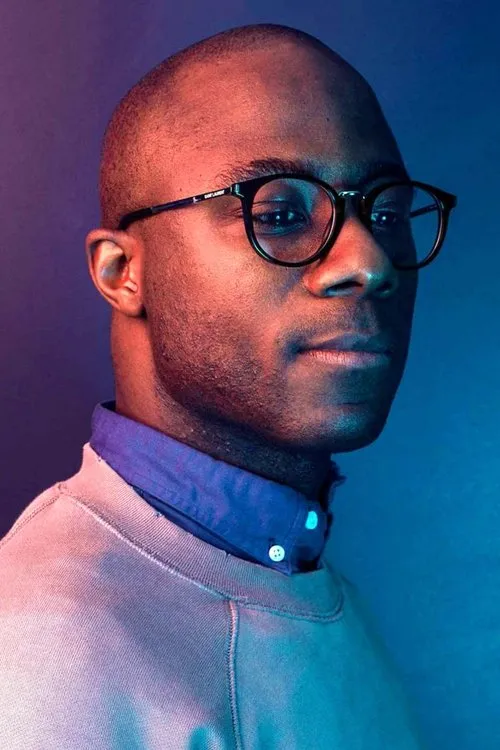
Age: 46
male
Barry Jenkins (born November 19, 1979) is an American filmmaker. After making his filmmaking debut with the short film My Josephine (2003), he directed his first feature film, Medicine for Melancholy (2008), for which he received an Independent Spirit Award nomination for Best First Feature. He is also a creative collaborator and a member of The Chopstars collective. Following an eight-year hiatus from feature filmmaking, Jenkins directed and co-wrote the LGBTQ-themed independent drama Moonlight (2016), which won numerous accolades, including the Academy Award for Best Picture. Jenkins received an Oscar nomination for Best Director and jointly won the Academy Award for Best Adapted Screenplay with Tarell Alvin McCraney. He became the fourth Black person nominated for Best Director and the second to direct a Best Picture winner. He released his third directorial feature If Beale Street Could Talk 2018, to critical praise and earned nominations for his screenplay at the Academy Awards and Golden Globes. He is also known for his work in television. In 2017, Jenkins directed "Chapter V" of the Netflix series Dear White People. In 2021, he created and directed the Amazon Video limited series The Underground Railroad, based on the novel of the same name. The series received a Primetime Emmy Award for Outstanding Directing for a Limited Series or Movie nomination and won a Peabody Award. In 2017, Jenkins was included on the annual Time 100 list of the most influential people in the world. Description above from the Wikipedia article Barry Jenkins, licensed under CC-BY-SA, full list of contributors on Wikipedia.
Barry Jenkins

Director
for Director in Bright Light, Dark Journey: The Richard Wright Story
Suggested by kamsismith
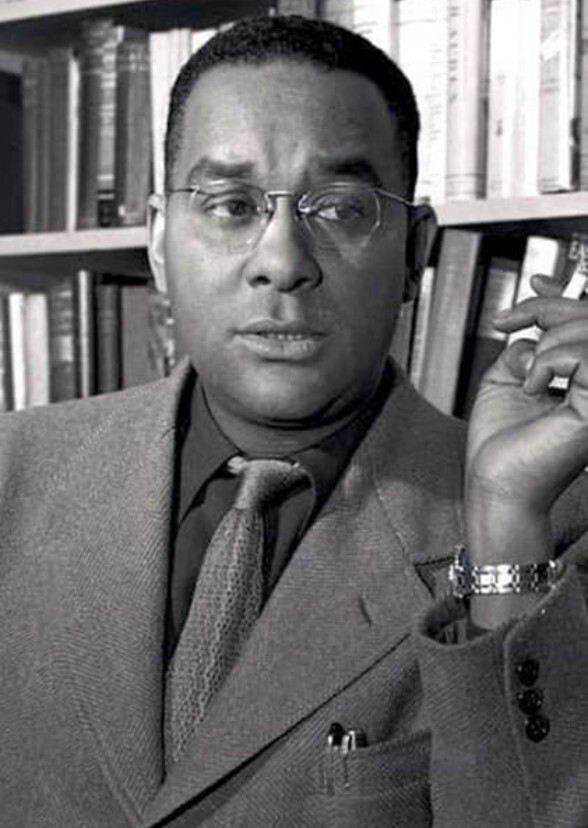
At its core, Bright Light, Dark Journey is a coming-of-age tale set against the brutal realities of racial segregation, but it also explores Wright's complex relationship with his identity, his art, and his internal struggles as a man caught between the worlds of his rural Mississippi roots, the intellectual circles of Chicago, and the harsh political environment of post-war Paris. This miniseries will trace Wright's life from his difficult childhood in the South, where his early experiences with violence, racism, and poverty ignited his determination to write. Through his tumultuous relationship with his family and his own profound sense of alienation, we follow Wright's rise as a writer, from his early works in Chicago to his groundbreaking novels, poetry, and essays that made him both a literary giant and a controversial figure. The heart of the series is Wright's ongoing battle against the limitations imposed on him by society, politics, and even his own beliefs. His unflinching criticism of the systemic oppression he faced, combined with his exploration of the complexities of race, power, and identity, made Wright an emblematic voice of his time — but it also made him a target of ideological conflict, especially within the Black intellectual community.

