
Age: 46
male
Barry Jenkins (born November 19, 1979) is an American filmmaker. After making his filmmaking debut with the short film My Josephine (2003), he directed his first feature film, Medicine for Melancholy (2008), for which he received an Independent Spirit Award nomination for Best First Feature. He is also a creative collaborator and a member of The Chopstars collective. Following an eight-year hiatus from feature filmmaking, Jenkins directed and co-wrote the LGBTQ-themed independent drama Moonlight (2016), which won numerous accolades, including the Academy Award for Best Picture. Jenkins received an Oscar nomination for Best Director and jointly won the Academy Award for Best Adapted Screenplay with Tarell Alvin McCraney. He became the fourth Black person nominated for Best Director and the second to direct a Best Picture winner. He released his third directorial feature If Beale Street Could Talk 2018, to critical praise and earned nominations for his screenplay at the Academy Awards and Golden Globes. He is also known for his work in television. In 2017, Jenkins directed "Chapter V" of the Netflix series Dear White People. In 2021, he created and directed the Amazon Video limited series The Underground Railroad, based on the novel of the same name. The series received a Primetime Emmy Award for Outstanding Directing for a Limited Series or Movie nomination and won a Peabody Award. In 2017, Jenkins was included on the annual Time 100 list of the most influential people in the world. Description above from the Wikipedia article Barry Jenkins, licensed under CC-BY-SA, full list of contributors on Wikipedia.
Barry Jenkins

Director
for Director in Breakthrough: The Cleavon Little Story
Suggested by kamsismith
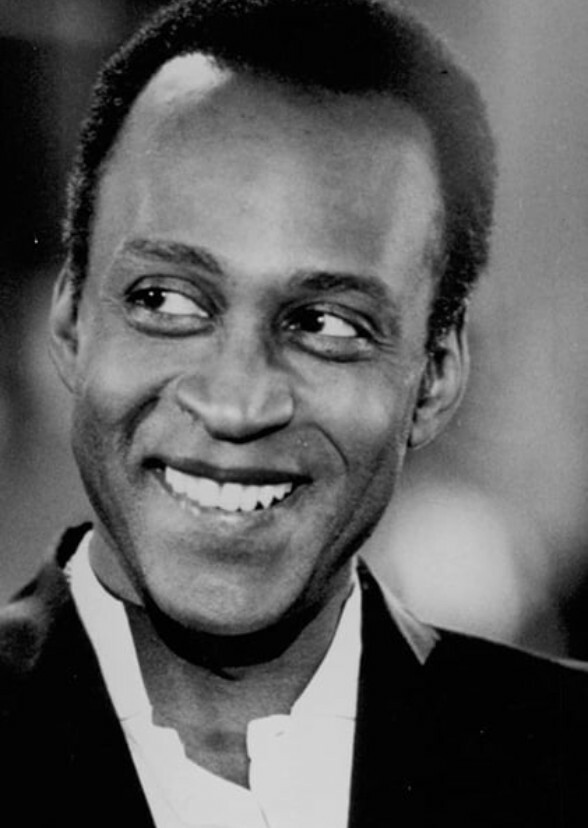
"Breakthrough: The Cleavon Little Story" chronicles the remarkable journey of a man who dared to dream beyond the constraints of his time. Born in Oklahoma in 1939, Cleavon faced adversity from an early age but found solace and purpose in the world of theater. With unwavering determination, he pursued his passion for acting, honing his craft on stage and screen. The film delves into Cleavon's struggles and triumphs as he navigates the turbulent landscape of 1960s America, where racial prejudice loomed large. Despite facing discrimination and systemic barriers, Cleavon's talent and charisma shone brightly, earning him acclaim in the theater world and catching the attention of Hollywood. The pivotal moment in Cleavon's career comes with his groundbreaking role as Sheriff Bart in Mel Brooks' "Blazing Saddles" (1974), a role that defied stereotypes and challenged conventions. Through humor and wit, Cleavon's portrayal of the quick-witted, sharp-tongued sheriff broke new ground, earning him widespread recognition and cementing his place in cinematic history.

