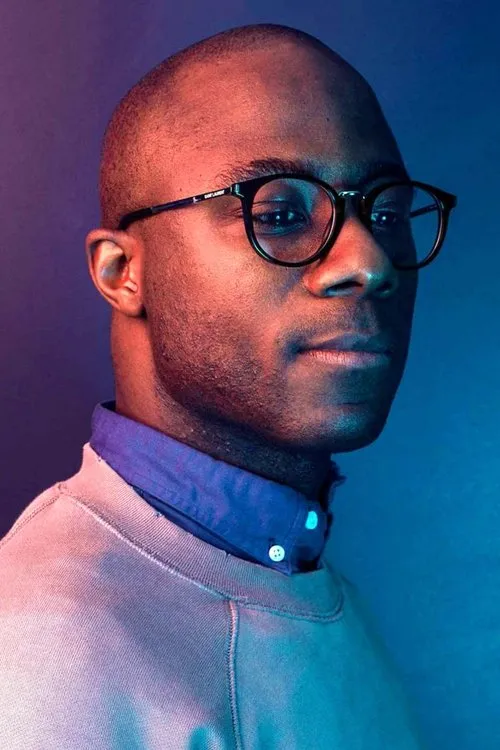
Age: 46
male
Barry Jenkins (born November 19, 1979) is an American filmmaker. After making his filmmaking debut with the short film My Josephine (2003), he directed his first feature film, Medicine for Melancholy (2008), for which he received an Independent Spirit Award nomination for Best First Feature. He is also a creative collaborator and a member of The Chopstars collective. Following an eight-year hiatus from feature filmmaking, Jenkins directed and co-wrote the LGBTQ-themed independent drama Moonlight (2016), which won numerous accolades, including the Academy Award for Best Picture. Jenkins received an Oscar nomination for Best Director and jointly won the Academy Award for Best Adapted Screenplay with Tarell Alvin McCraney. He became the fourth Black person nominated for Best Director and the second to direct a Best Picture winner. He released his third directorial feature If Beale Street Could Talk 2018, to critical praise and earned nominations for his screenplay at the Academy Awards and Golden Globes. He is also known for his work in television. In 2017, Jenkins directed "Chapter V" of the Netflix series Dear White People. In 2021, he created and directed the Amazon Video limited series The Underground Railroad, based on the novel of the same name. The series received a Primetime Emmy Award for Outstanding Directing for a Limited Series or Movie nomination and won a Peabody Award. In 2017, Jenkins was included on the annual Time 100 list of the most influential people in the world. Description above from the Wikipedia article Barry Jenkins, licensed under CC-BY-SA, full list of contributors on Wikipedia.
Barry Jenkins

Director
for Director in Blue Nocturne: The Nat Jaffe Story
Suggested by kamsismith
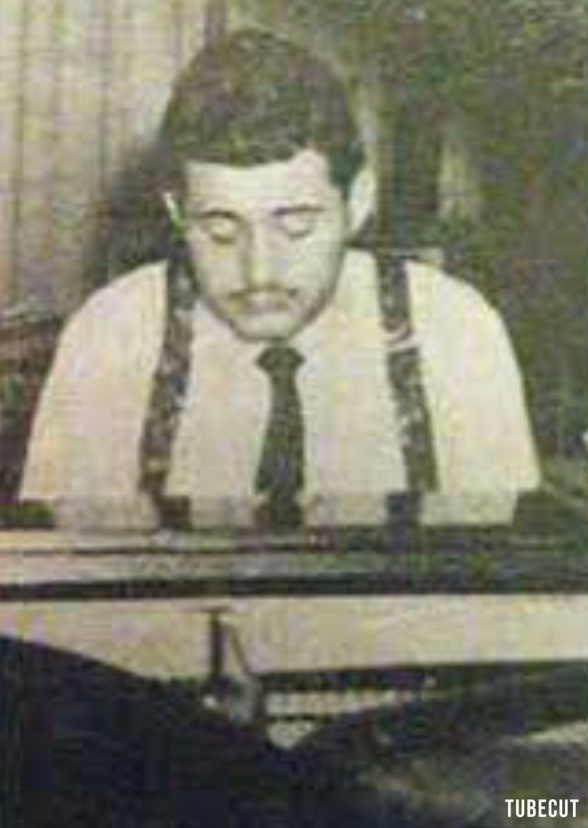
"Blue Nocturne" takes audiences back to the smoky jazz clubs of 1940s New York City, where the rhythmic pulse of swing and bebop filled the air, and musical genius emerged from both the light and dark corners of the stage. This biopic delves into the tragically short but remarkable life of Nat Jaffe, a gifted jazz pianist whose music echoes a vibrant yet tumultuous era. Raised in Berlin, shaped by his family's journey to America in the shadow of pre-war Europe, Jaffe found his home in the underground jazz clubs of Harlem, where he became a powerful voice in the American jazz scene. The film follows Jaffe’s rapid rise as a pianist who brought a haunting lyricism to swing, breaking boundaries with every chord and riff. Jaffe's performances with jazz greats like Billie Holiday and his deep, yet understated influence on the evolution of jazz are vividly depicted, showing a prodigy caught between the demands of his art and the instability of a world at war. At its heart, however, "Blue Nocturne" is the story of Jaffe’s love affair with singer Shirley Lloyd, a love that thrived in jazz’s frenetic, unpredictable world. Their partnership fueled some of his most passionate work, but it also exposed the strains of a life spent chasing fame, struggling with personal demons, and facing the limitations of time.