
Age: 46
male
Barry Jenkins (born November 19, 1979) is an American filmmaker. After making his filmmaking debut with the short film My Josephine (2003), he directed his first feature film, Medicine for Melancholy (2008), for which he received an Independent Spirit Award nomination for Best First Feature. He is also a creative collaborator and a member of The Chopstars collective. Following an eight-year hiatus from feature filmmaking, Jenkins directed and co-wrote the LGBTQ-themed independent drama Moonlight (2016), which won numerous accolades, including the Academy Award for Best Picture. Jenkins received an Oscar nomination for Best Director and jointly won the Academy Award for Best Adapted Screenplay with Tarell Alvin McCraney. He became the fourth Black person nominated for Best Director and the second to direct a Best Picture winner. He released his third directorial feature If Beale Street Could Talk 2018, to critical praise and earned nominations for his screenplay at the Academy Awards and Golden Globes. He is also known for his work in television. In 2017, Jenkins directed "Chapter V" of the Netflix series Dear White People. In 2021, he created and directed the Amazon Video limited series The Underground Railroad, based on the novel of the same name. The series received a Primetime Emmy Award for Outstanding Directing for a Limited Series or Movie nomination and won a Peabody Award. In 2017, Jenkins was included on the annual Time 100 list of the most influential people in the world. Description above from the Wikipedia article Barry Jenkins, licensed under CC-BY-SA, full list of contributors on Wikipedia.
Barry Jenkins

Director
for Director in Blood & Redemption: The Lloyd Avery Story
Suggested by kamsismith
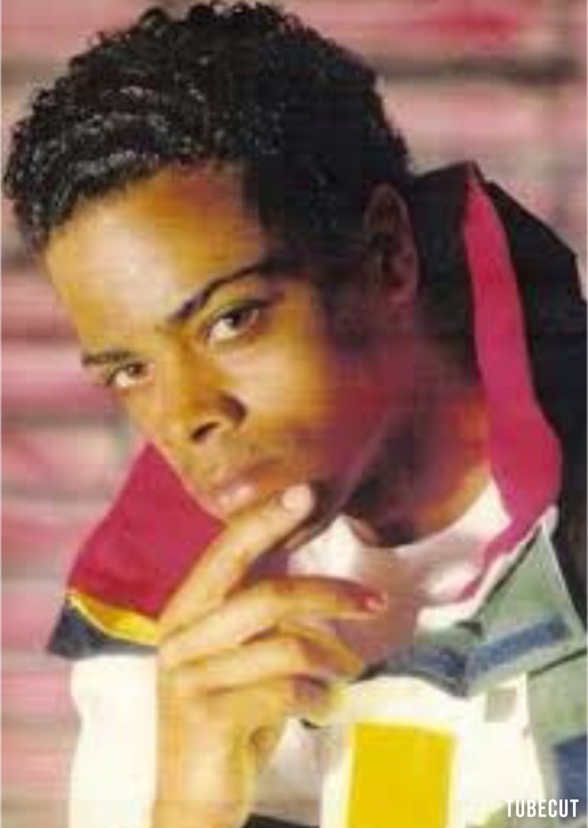
Lloyd Avery II was more than just the villain who gunned down Ricky in Boyz n the Hood—he was a rising star, filled with promise, charm, and talent. The film opens with his breakthrough moment in John Singleton's iconic film, where his portrayal of a street gang member became a symbol of the stark realities of inner-city violence. As his career begins to take off, the line between his on-screen persona and real life starts to blur. Lloyd finds himself drawn into the same world he once acted out, becoming entangled in gang life and criminal activity. The story explores the inner turmoil of a man at the crossroads of two paths—one leading to Hollywood stardom, the other to self-destruction. Amidst this downward spiral, the film reveals Avery's attempts at redemption—his conversion to Christianity and moments of reflection while incarcerated—offering a raw and poignant look at his search for purpose. The climax follows the tragic and mysterious events surrounding his death in prison at the hands of his cellmate, leaving the audience with lingering questions about fate, choice, and the cost of a life lived on the edge.

