Age: 53
male
Adrien Nicholas Brody (born April 14, 1973) is an American actor. He is known for his portrayal of Władysław Szpilman in Roman Polanski's war drama The Pianist (2002), for which he won the Academy Award for Best Actor at age 29, becoming the youngest actor to win in that category. He also became the second American male actor to win the César Award for Best Actor for the same film. For his role as a Holocaust survivor who immigrates to the United States in The Brutalist (2024), he won a Golden Globe Award for Best Actor and earned his second Academy Award Nomination and subsequent win for Best Actor. Brody has also starred in The Thin Red Line(1998), The Village (2004), King Kong (2005), Hollywoodland (2006), Cadillac Records (2008), Predators (2010), and See How They Run(2022). He has frequently collaborated with filmmaker Wes Anderson, appearing in his films The Darjeeling Limited (2007), Fantastic Mr. Fox(2009), The Grand Budapest Hotel (2014), The French Dispatch (2021), and Asteroid City(2023). He portrayed Salvador Dalí in Woody Allen's Midnight in Paris (2011) and Arthur Miller in Andrew Dominik's Blonde (2022). On television, he has played Luca Changretta in the fourth season of the BBC series Peaky Blinders (2017) and Pat Riley in the HBO sports drama series Winning Time: The Rise of the Lakers Dynasty (2022–2023). He earned Primetime Emmy Award nominations for his roles as Harry Houdini in the History Channel miniseries Houdini (2014), and investor Josh Aaronson in the HBO series Succession (2021).
Adrien Brody

Myron Finkle
for Myron Finkle in Blood of the Virgin
Suggested by nimrodhavilio1
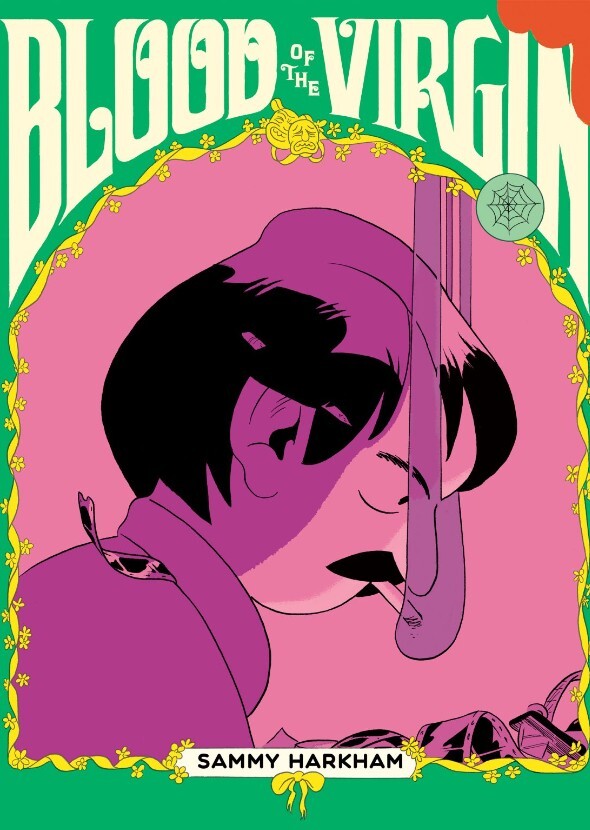
Set primarily in Los Angeles in 1971, Blood of the Virgin is the story of twenty‑seven‑year‑old Seymour, an Iraqi Jewish immigrant film editor who works for an exploitation film production company. Seymour, his wife, and their new baby struggle as he tries to make it in the movie business, writing screenplays on spec and pining for the chance to direct. When his boss buys one of his scripts for a project called Blood of the Virgin and gives Seymour the chance to direct it, what follows is a surreal, tragicomic making-of journey. As Seymour’s blind ambition propels the movie, his home life grows increasingly fraught. The film’s production becomes a means to spiral out into time and space, resulting in an epic graphic novel that explores the intersection of twentieth‑century America, parenthood, , the immigrant experience, the dawn of early Hollywood, and, shockingly, the Holocaust.