Died at 120
female
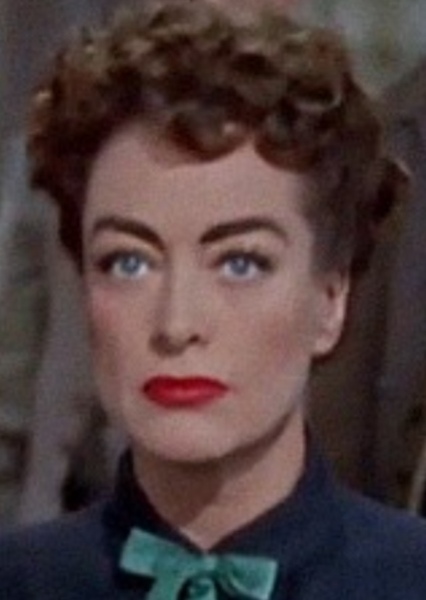
Joan Crawford (born Lucille Fay LeSueur; March 23, 1906 – May 10, 1977) was an American actress. She started her career as a dancer in traveling theatrical companies before debuting on Broadway. Crawford was signed to a motion picture contract by Metro-Goldwyn-Mayer in 1925. Initially frustrated by the size and quality of her parts, Crawford launched a publicity campaign and built an image as a nationally known flapper by the end of the 1920s. By the 1930s, Crawford's fame rivaled MGM colleagues Norma Shearer and Greta Garbo. Crawford often played hardworking young women who find romance and financial success. These "rags-to-riches" stories were well received by Depression-era audiences and were popular with women. Crawford became one of Hollywood's most prominent movie stars and one of the highest paid women in the United States, but her films began losing money. By the end of the 1930s, she was labeled "box office poison". After an absence of nearly two years from the screen, Crawford staged a comeback by starring in Mildred Pierce (1945), for which she won the Academy Award for Best Actress. In 1955, she became involved with the Pepsi-Cola Company, through her marriage to company president Alfred Steele. After his death in 1959, Crawford was elected to fill his vacancy on the board of directors but was forcibly retired in 1973. She continued acting in film and television regularly through the 1960s, when her performances became fewer; after the release of the horror film Trog in 1970, Crawford retired from the screen. Following a public appearance in 1974, after which unflattering photographs were published, Crawford withdrew from public life. She became more and more reclusive until her death in 1977.
Joan Crawford
Constance Lenz
for Constance Lenz in Black Christmas (1976)
Suggested by chris83
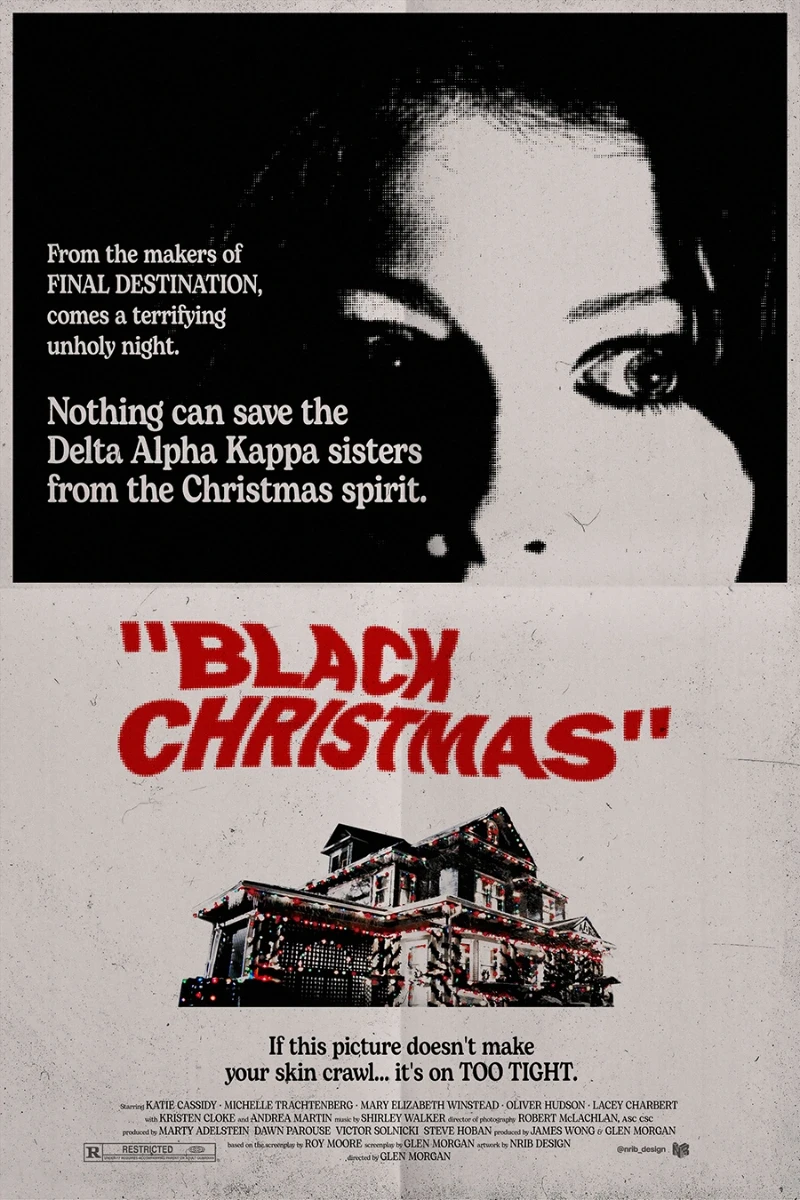
A masked killer stalks a sorority house during winter break, transforming a holiday celebration into a nightmare of terror. When girls begin disappearing one by one, the remaining residents—intelligent, vulnerable, and increasingly desperate—must confront an unseen predator lurking in their home's darkest corners. Phone calls grow more sinister, threats more personal, and paranoia spreads like wildfire as they struggle to identify the killer among them or lurking outside. With police skeptical and help impossibly far away, the young women must rely on their wits and each other to survive. This visceral horror film strips away comfort and safety, trapping its characters in an intimate battle against an unknowable evil. Tension mounts relentlessly as the body count rises and the killer's true nature becomes increasingly disturbing, creating a chilling meditation on vulnerability, survival, and the darkness that can invade even the most cherished spaces.