Died at 84
female
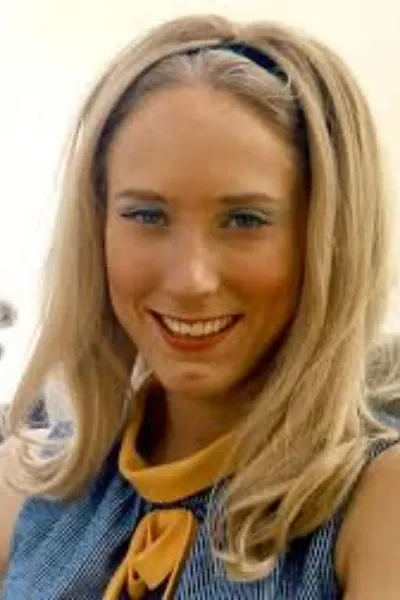
Sandra Dee (born Alexandra Zuck; April 23, 1942 – February 20, 2005) was an American actress. Dee began her career as a child model, working first in commercials, and then film in her teenage years. Best known for her portrayal of ingénues, Dee earned a Golden Globe Award as one of the year's most promising newcomers for her performance in Robert Wise's Until They Sail (1958). She became a teenage star for her performances in Imitation of Life and Gidget (both 1959), which made her a household name. By the late 1960s, her career had started to decline, and a highly publicized marriage to Bobby Darin ended in divorce. The year of her divorce, Dee's contract with Universal Pictures was dropped. She attempted a comeback with the 1970 independent horror film The Dunwich Horror, but rarely acted after this time, appearing only occasionally in television productions throughout the 1970s and early 1980s. The rest of the decade was marred by alcoholism, mental illness, plus near total reclusiveness, particularly after her mother died in 1988. Afterwards she sought medical and psychological help in the early 1990s, and died in 2005 of complications from kidney disease, brought on by lifelong anorexia nervosa. Description above from the Wikipedia article Sandra Dee, licensed under CC-BY-SA, full list of contributors on Wikipedia.
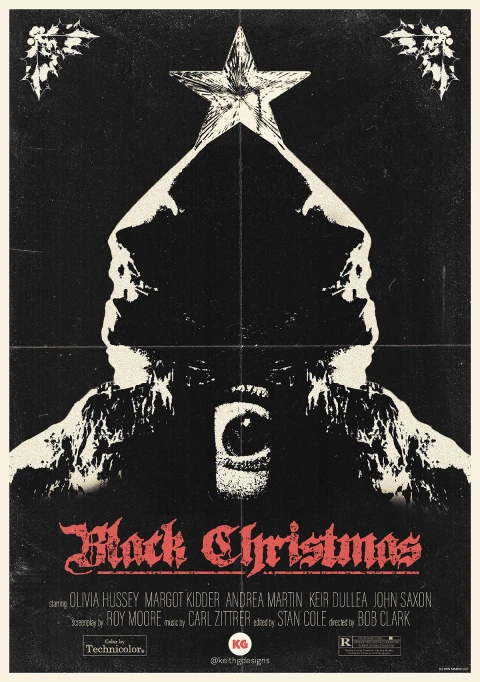
Black Christmas follows a group of sorority sisters during the Christmas holiday break as they prepare to leave their house for winter vacation. When several members decide to stay behind, they begin receiving mysterious and increasingly disturbing phone calls from an unknown caller lurking somewhere within the house itself. As the women try to determine the source of the calls and escape their predicament, they discover that a dangerous intruder has infiltrated their home. Trapped together during the festive season, the sorority sisters must band together to survive the night and unmask the killer in their midst. The film masterfully builds tension through minimal dialogue and unseen threats, creating an atmosphere of claustrophobic dread. With its innovative use of point-of-view camera work and the killer's perspective, Black Christmas pioneered many techniques that would become staples of the slasher genre. The film transforms the warmth and joy of Christmas into a backdrop for psychological horror, as the women face both external danger and their own mounting paranoia.