Died at 94
male
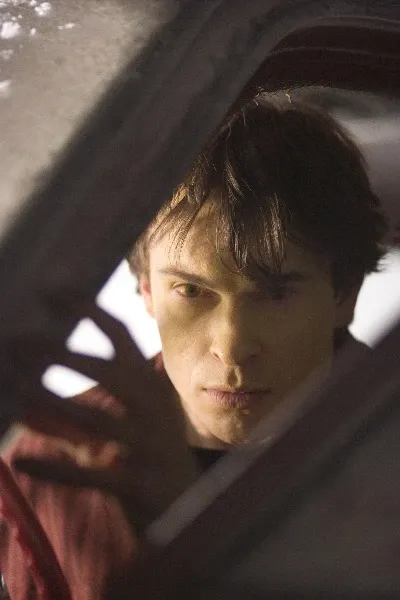
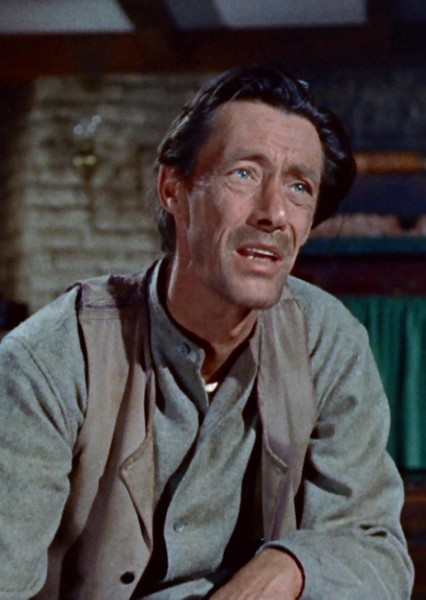
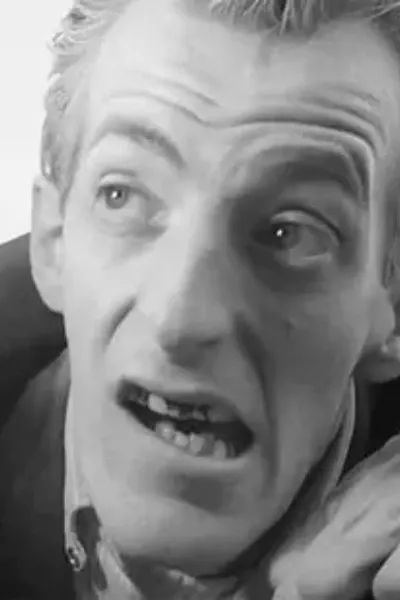
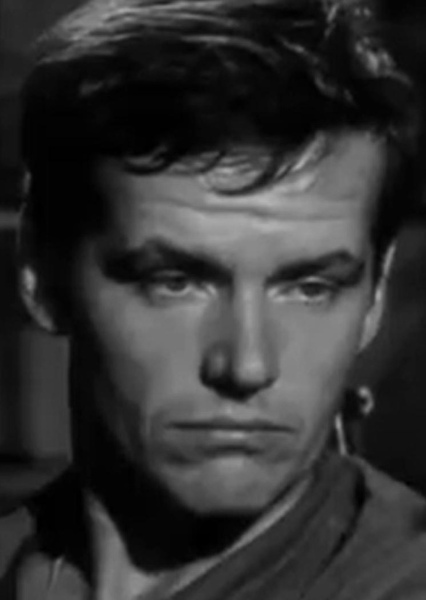
Anthony Perkins (April 4, 1932 – September 12, 1992) was an American actor and singer. He is best known for his role as Norman Bates in Alfred Hitchcock's Psycho and his Oscar-nominated role in Friendly Persuasion (1956). He made his film debut in The Actress (1953) directed by George Cukor before experiencing success on Broadway with Elia Kazan’s production of Tea and Sympathy (1955). He quickly became one of Hollywood’s biggest stars, working alongside actors such as Henry Fonda (The Tin Star), Sophia Loren (Desire Under the Elms), Shirley MacLaine (The Matchmaker), Audrey Hepburn (Green Mansions), and Gregory Peck, Fred Astaire, and Ava Gardner (On the Beach). He left Hollywood in 1960 and had a successful career in Europe, where he co-starred with Ingrid Bergman (Aimez-vous Brahms?), Melina Mercouri (Phaedra), Brigitte Bardot (Une ravissante idiote), and Romy Schneider, Jeanne Moreau, Elsa Martinelli, and Orson Welles (Le procès). He returned to Hollywood in 1968 with Pretty Poison, which became a cult classic. In the decades that followed, his career continued to flourish alongside personalities like Diana Ross (Mahogany), Jeff Goldblum (Remember My Name), Elizabeth Taylor (Winter Kills), John Candy (Double Negative), and Lauren Bacall (Murder on the Orient Express). In 1973, he co-wrote The Last of Sheila with Stephen Sondheim. During his career, he won a Golden Globe, a Cannes Award, and a David di Donatello Award, and was nominated for two Tony Awards and one Academy Award. Perkins died on September 12, 1992, of AIDS complications.
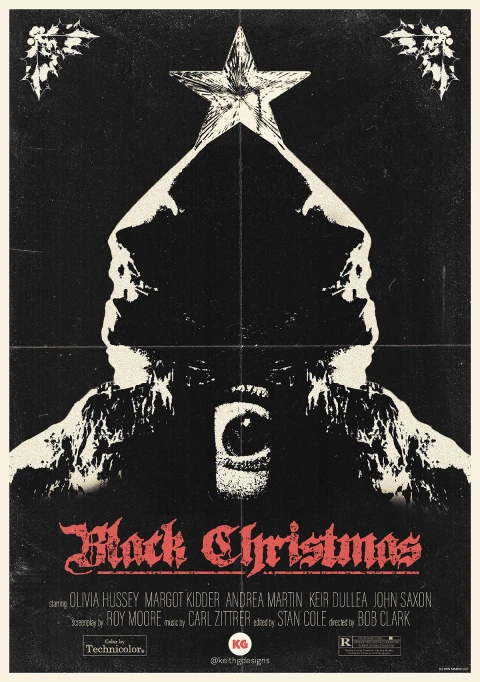
Black Christmas follows a group of sorority sisters during the Christmas holiday break as they prepare to leave their house for winter vacation. When several members decide to stay behind, they begin receiving mysterious and increasingly disturbing phone calls from an unknown caller lurking somewhere within the house itself. As the women try to determine the source of the calls and escape their predicament, they discover that a dangerous intruder has infiltrated their home. Trapped together during the festive season, the sorority sisters must band together to survive the night and unmask the killer in their midst. The film masterfully builds tension through minimal dialogue and unseen threats, creating an atmosphere of claustrophobic dread. With its innovative use of point-of-view camera work and the killer's perspective, Black Christmas pioneered many techniques that would become staples of the slasher genre. The film transforms the warmth and joy of Christmas into a backdrop for psychological horror, as the women face both external danger and their own mounting paranoia.