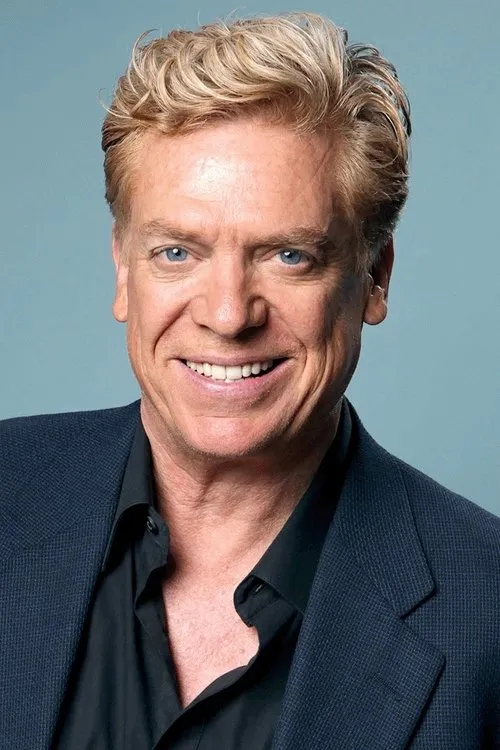
Age: 71
male
Christopher McDonald (born February 15, 1955) is a European-American actor. He is known for his roles in Happy Gilmore and 61. Other notable starring roles for McDonald in film include "T-Birds" member Goose McKenzie in Grease 2 (1982), Darryl Dickinson opposite his former fiancée Geena Davis in Thelma & Louise (1991), Ward Cleaver in the film adaptation Leave It to Beaver (1997), and Tappy Tibbons in Requiem for a Dream (2000). Along with numerous independent and small-budget film roles, he played supporting characters in box-office hits Grumpy Old Men (1993), Flubber (1997), Rumor Has It (2005), The House Bunny (2008) and About Last Night (2014). On television, McDonald was a series regular on network TV shows Walter & Emily (1991–1992, NBC), Good Advice (1993–1994, CBS), Family Law (1999–2002, CBS), Cracking Up (2004-2006, FOX) and Harry's Law, (2011–2012, NBC). In 2022, McDonald was nominated for a Primetime Emmy Award for Outstanding Guest Actor in a Comedy Series for his role as casino CEO Marty Ghilain on the HBO Max show Hacks.
Christopher McDonald

GOVERNOR ROY HUNTINGTON
for GOVERNOR ROY HUNTINGTON in BILL WILLIAMSON
Suggested by atlantispictures
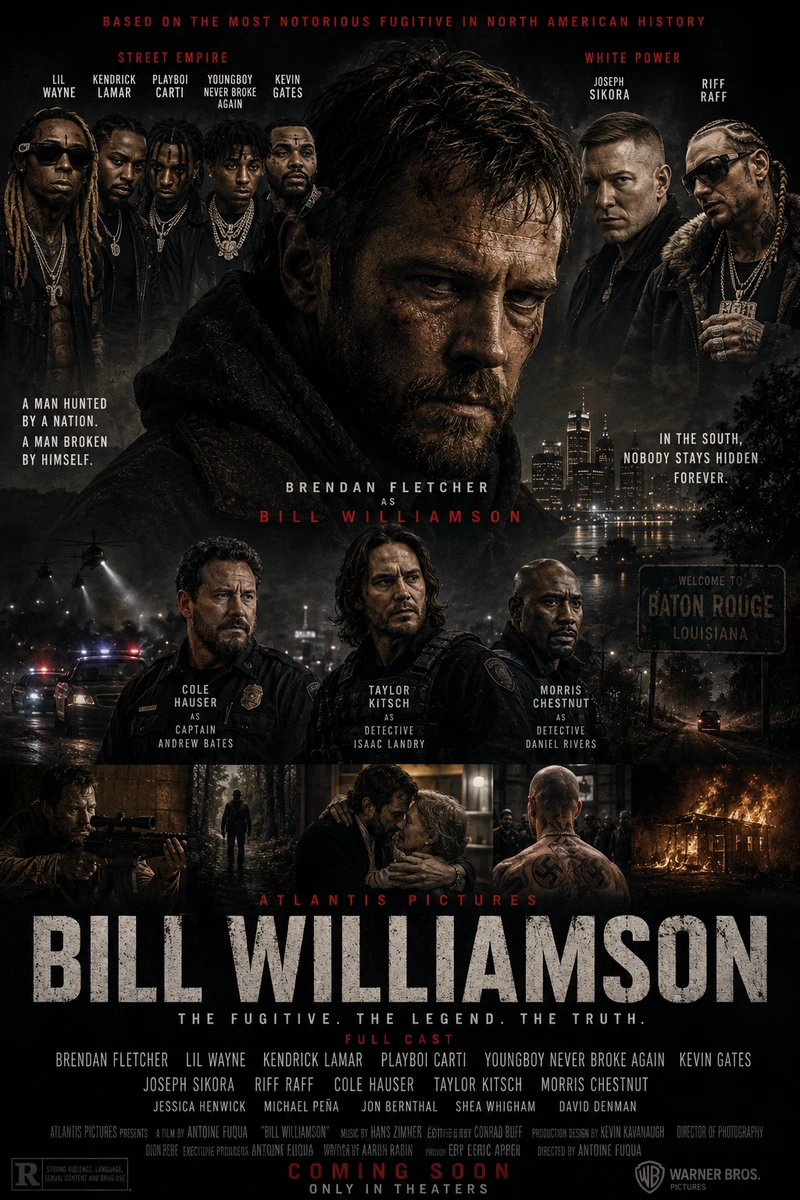
Synopsis Bill Williamson is no longer the raw, impulsive fugitive the world remembers. He is thinner, darker, more tactical, and increasingly fractured by guilt, flashbacks, and the memory of who he once was before violence swallowed him. He moves erratically across the Canadian border and into the rural American South, hiding in plain sight while trying to outrun the manhunt and his own breakdown. In Baton Rouge, Bill encounters a street gang that is already in conflict with a rival white supremacist crew. Rather than immediately becoming a kingpin, Bill inserts himself as a covert force multiplier: he helps the street gang become harder to track, more disciplined, and more elusive, all while staying in the shadows. His methods draw the attention of a local police captain, a young lead detective, and federal agents who begin to sense that the gang’s sudden sophistication is not organic. As the pressure rises, Bill’s mind deteriorates further. Flashbacks of his pre-rampage life reveal the decent, caring man he used to be, especially in relation to his mother, and the audience sees the human being buried under myth, rage, and damage. By the end, law enforcement realizes they are not simply chasing a criminal—they are facing a destabilizing force moving through multiple systems at once. The film ends with Bill still alive, still hunted, and still deeply unresolved, leaving the door open for a longer series or sequel arc.

