Age: 20
female
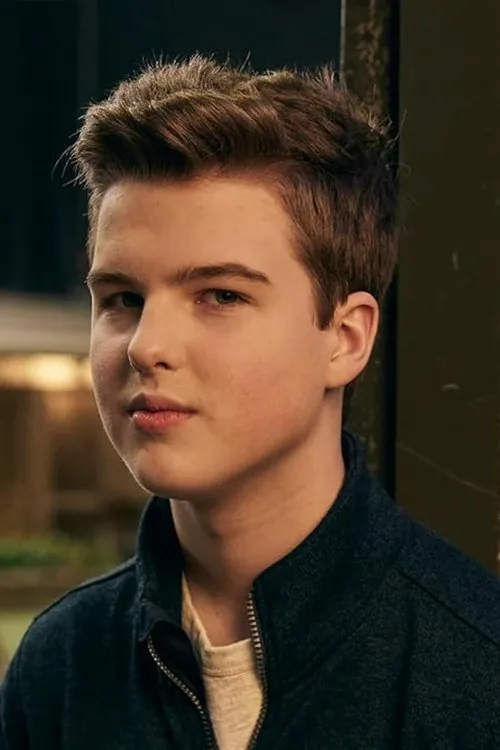
Mckenna Grace (born June 25, 2006) is an American actress and singer. Born in Grapevine, Texas, she began acting professionally at age five and relocated to Los Angeles, California, as a child. Her earliest roles included Jasmine Bernstein in the Disney XD sitcom Crash & Bernstein (2012–2014) and Faith Newman in the soap opera The Young and the Restless (2013–2015). After several small roles, she starred as a child prodigy in Gifted (2017), a breakthrough for which she received a nomination for the Critics' Choice Movie Award for Best Young Performer. Grace subsequently appeared in the films I, Tonya (2017), Troop Zero (2019), and Captain Marvel (2019). During this time, she appeared in several horror projects, including The Bad Seed (2018), The Haunting of Hill House (2018), and Annabelle Comes Home (2019). For playing the abused teenager Esther Keyes in The Handmaid's Tale (2021–2022), Grace was nominated for the Primetime Emmy Award for Outstanding Guest Actress in a Drama Series, making her the first child recognized for a guest acting Emmy. She appeared in the supernatural comedy films Ghostbusters: Afterlife (2021) and Ghostbusters: Frozen Empire (2024) as Phoebe Spengler, receiving critical praise and a Critics' Choice Super Award nomination. In 2022, Grace wrote, executive produced, and starred in The Bad Seed Returns, and portrayed Jan Broberg in A Friend of the Family. After signing with Photo Finish Records in 2020, Grace released her debut single, "Haunted House", in 2021, as part of the Ghostbusters: Afterlife soundtrack. She released two extended plays in 2023: Bittersweet 16 and Autumn Leaves, which explored pop rock and folk sounds, respectively. Description above from the Wikipedia article Mckenna Grace, licensed under CC-BY-SA, full list of contributors on Wikipedia.
Mckenna Grace

Z or iGen
for Z or iGen in Best by Generation
Suggested by gustavosoaresdemorales

The Strauss–Howe generational theory, devised by William Strauss and Neil Howe, describes a theorized recurring generation cycle in American history and Western history. According to the theory, historical events are associated with recurring generational personas (archetypes). Each generational persona unleashes a new era (called a turning) lasting around 20–25 years, in which a new social, political, and economic climate (mood) exists. An average life is 80 years and consists of four periods of ~20–22 years Childhood → Young adult → Midlife → Elderhood A generation is an aggregate of people born every ~20–22 years Baby Boomers → Gen X → Millennials → Homelanders Each generation experiences "four turnings" every ~80–90 years High → Awakening → Unraveling → Crisis A generation is considered "dominant" or "recessive" according to the turning experienced as young adults. But as a youth generation comes of age and defines its collective persona an opposing generational archetype is in its midlife peak of power. Dominant: independent behavior + attitudes in defining an era Recessive: dependent role in defining an era https://en.wikipedia.org/wiki/Strauss%E2%80%93Howe_generational_theory