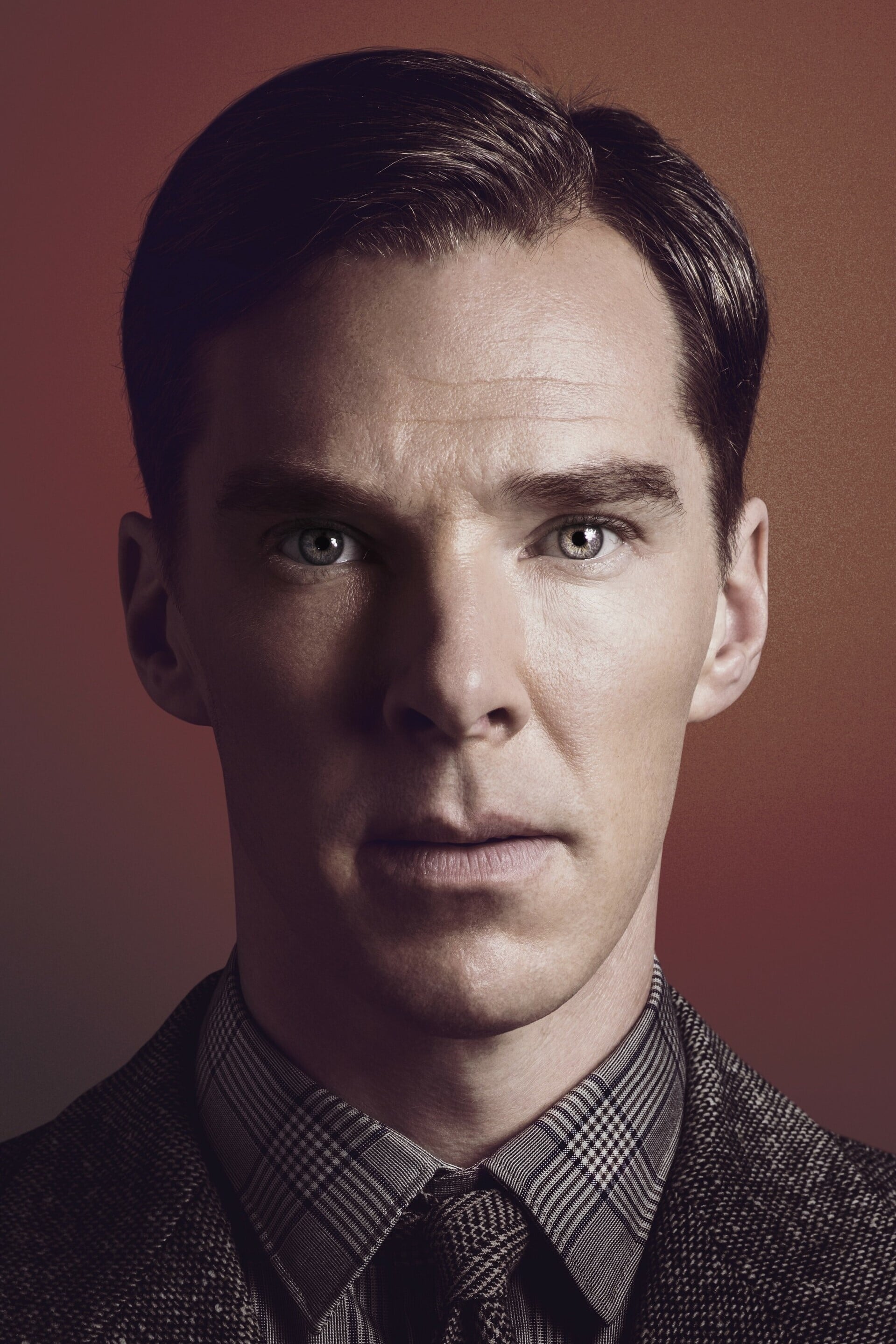
Age: 51
male
José Pedro Balmaceda Pascal (Spanish: [xoˈseˈpeðɾo βalmaˈseða pasˈkal]; born April 2, 1975) is a Chilean and American actor. After nearly two decades of taking small roles on stage and television, Pascal had his breakout role as Oberyn Martell in the fourth season of the HBO fantasy series Game of Thrones (2014). He gained further prominence with his portrayal of Javier Peña in the Netflix crime series Narcos (2015–2017). He went on to appear in the films The Great Wall(2016), Kingsman: The Golden Circle (2017), The Equalizer 2 (2018), and Triple Frontier (2019). Pascal's leading roles as Din Djarin in the Disney+ science fiction series The Mandalorian (2019–2023) and Joel Miller in the HBO post-apocalyptic drama series The Last of Us (2023–present) propelled him to international stardom, earning him a reputation for portraying adoptive father figures. For the latter role, he received numerous accolades, including a Screen Actors Guild Award and nominations for a Golden Globe Award and Primetime Emmy Award. He also portrayed parental characters in We Can Be Heroes (2020), Strange Way of Life (2023), and The Wild Robot (2024). Pascal has also starred in the big-budget films Wonder Woman 1984 (2020) and Gladiator II (2024). He plays Reed Richards / Mister Fantastic in the Marvel Cinematic Universe, beginning with The Fantastic Four: First Steps (2025). Active in theatre since 1999, he made his Broadway debut as Edmund in a 2019 adaptation of King Lear. In 2023, Time Magazine named him one of the 100 most influential people in the world. Description above from the Wikipedia article Pedro Pascal, licensed under CC-BY-SA, full list of contributors on Wikipedia.
Pedro Pascal

Generation X
for Generation X in Best by Generation
Suggested by gustavosoaresdemorales

The Strauss–Howe generational theory, devised by William Strauss and Neil Howe, describes a theorized recurring generation cycle in American history and Western history. According to the theory, historical events are associated with recurring generational personas (archetypes). Each generational persona unleashes a new era (called a turning) lasting around 20–25 years, in which a new social, political, and economic climate (mood) exists. An average life is 80 years and consists of four periods of ~20–22 years Childhood → Young adult → Midlife → Elderhood A generation is an aggregate of people born every ~20–22 years Baby Boomers → Gen X → Millennials → Homelanders Each generation experiences "four turnings" every ~80–90 years High → Awakening → Unraveling → Crisis A generation is considered "dominant" or "recessive" according to the turning experienced as young adults. But as a youth generation comes of age and defines its collective persona an opposing generational archetype is in its midlife peak of power. Dominant: independent behavior + attitudes in defining an era Recessive: dependent role in defining an era https://en.wikipedia.org/wiki/Strauss%E2%80%93Howe_generational_theory