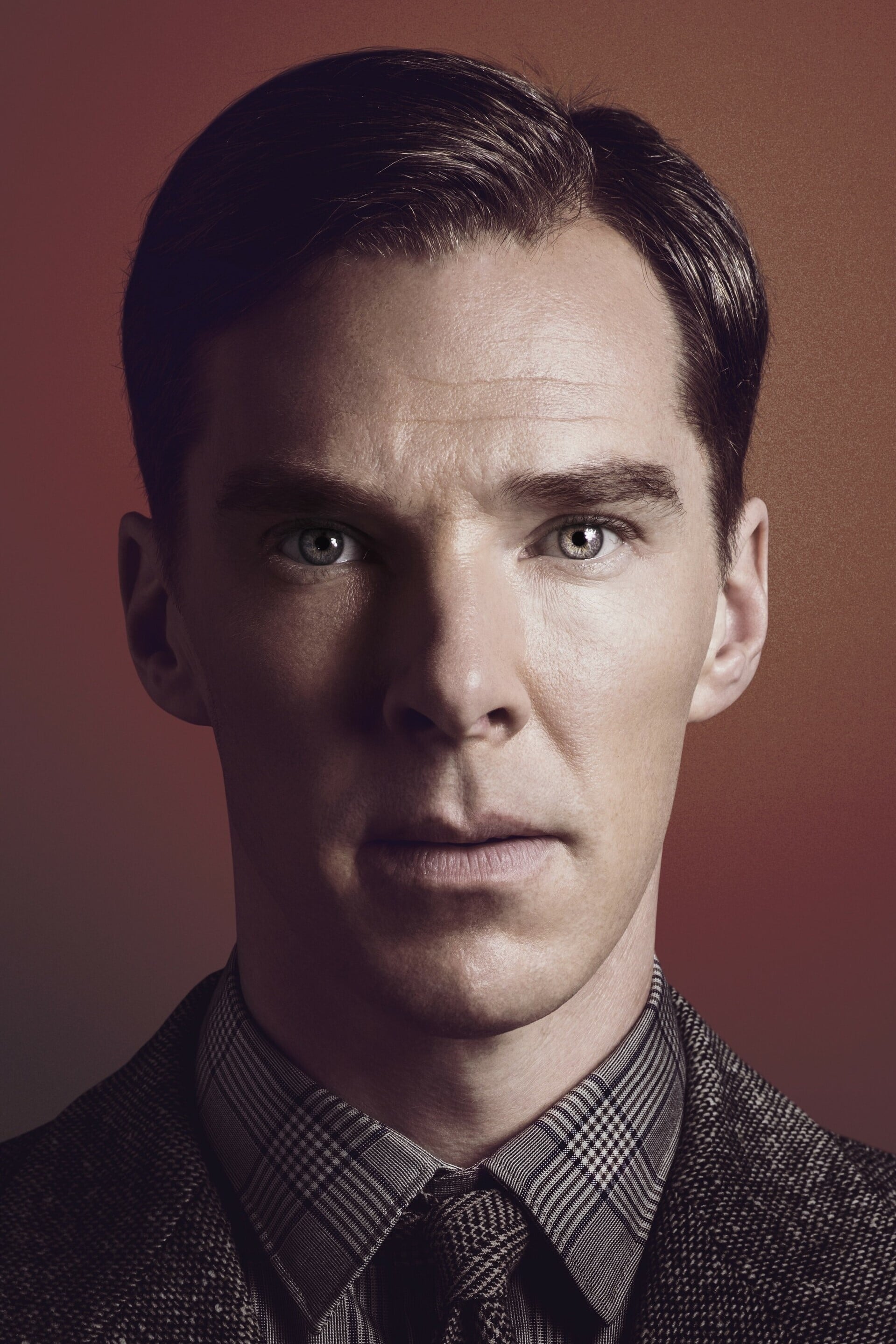
Age: 60
male
Mads Dittmann Mikkelsen (Danish: [ˈmæsˈme̝kl̩sn̩]; born 22 November 1965) is a Danish-American actor. He rose to fame in Denmark as an actor for his roles such as Tonny in the first two films of the Pusher film trilogy (1996, 2004), Detective Sergeant Allan Fischer in the television series Rejseholdet (2000–2004), Niels in Open Hearts (2002), Svend in The Green Butchers (2003), Ivan in Adam's Apples (2005), and Jacob Petersen in After the Wedding (2006). Mikkelsen achieved worldwide recognition for playing the main antagonist, Le Chiffre, in the twenty-first James Bond film, Casino Royale (2006). His other film roles include Igor Stravinsky in Coco Chanel & Igor Stravinsky (2008), Johann Friedrich Struensee in A Royal Affair (2012), his Cannes Film Festival Best Actor Award-winning performance as Lucas in the Danish film The Hunt (2012), Kaecilius in Marvel's Doctor Strange (2016), Galen Erso in Lucasfilm's Rogue One (2016), his BAFTA-nominated role as Martin in Another Round (2020), Gellert Grindelwald in Fantastic Beasts: The Secrets of Dumbledore (2022), Dr. Jürgen Voller in Indiana Jones and the Dial of Destiny (2023), and Captain Ludwig Kahlen in The Promised Land (2023). Outside of film, he is known for his roles as Dr. Hannibal Lecter in the television series Hannibal (2013–2015) and Cliff Unger in Hideo Kojima's video game Death Stranding (2019). A. O. Scott of The New York Times remarked that in the Hollywood scene, Mikkelsen has "become a reliable character actor with an intriguing mug" but stated that on the domestic front "he is something else: a star, an axiom, a face of the resurgent Danish cinema". Description above from the Wikipedia article Mads Mikkelsen, licensed under CC-BY-SA, full list of contributors on Wikipedia.
Mads Mikkelsen

Generation X
for Generation X in Best by Generation
Suggested by gustavosoaresdemorales

The Strauss–Howe generational theory, devised by William Strauss and Neil Howe, describes a theorized recurring generation cycle in American history and Western history. According to the theory, historical events are associated with recurring generational personas (archetypes). Each generational persona unleashes a new era (called a turning) lasting around 20–25 years, in which a new social, political, and economic climate (mood) exists. An average life is 80 years and consists of four periods of ~20–22 years Childhood → Young adult → Midlife → Elderhood A generation is an aggregate of people born every ~20–22 years Baby Boomers → Gen X → Millennials → Homelanders Each generation experiences "four turnings" every ~80–90 years High → Awakening → Unraveling → Crisis A generation is considered "dominant" or "recessive" according to the turning experienced as young adults. But as a youth generation comes of age and defines its collective persona an opposing generational archetype is in its midlife peak of power. Dominant: independent behavior + attitudes in defining an era Recessive: dependent role in defining an era https://en.wikipedia.org/wiki/Strauss%E2%80%93Howe_generational_theory