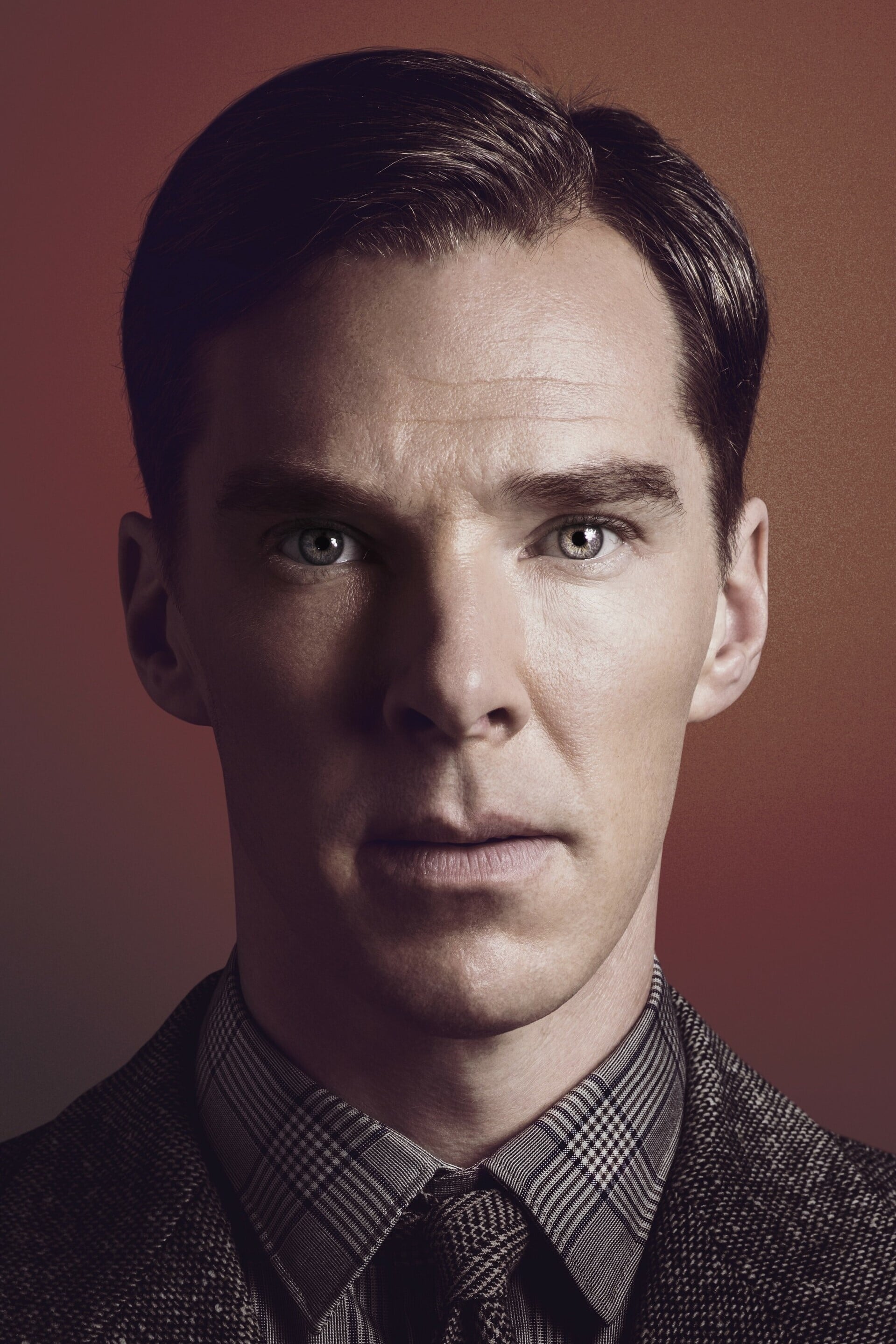
Age: 59
male
David Lawrence Schwimmer (born November 2, 1966) is an American actor and director of television and film. He was born in New York, and his family moved to Los Angeles when he was two. He began his acting career performing in school plays at Beverly Hills High School. In 1988, he graduated from Northwestern University with a Bachelor of Arts degree in theater and speech. After graduation, Schwimmer co-founded the Lookingglass Theatre Company. For much of the late-1980s, he lived in Los Angeles as a struggling, unemployed actor. He appeared in the television movie A Deadly Silence in 1989. He then appeared in a number of television roles, including L.A. Law, The Wonder Years, NYPD Blue, and Monty in the early 1990s. Schwimmer later gained worldwide recognition for playing Ross Geller in the situation comedy Friends. Aside from appearing in television, he starred in his first leading role in The Pallbearer (1996), which was followed by roles in Kissing a Fool (1998), Six Days Seven Nights (1998), Apt Pupil, and Picking Up the Pieces (2000). He was then cast in the miniseries Band of Brothers (2001) as Herbert Sobel. Following the series finale of Friends in 2004, Schwimmer was cast as the titular character in the 2005 drama Duane Hopwood. Other film roles include the computer animated film Madagascar (2005), the dark comedy Big Nothing (2006), the thriller Nothing But the Truth (2008), and Madagascar: Escape 2 Africa (2008). Schwimmer made his London stage debut in the leading role in Some Girl(s) in 2005. In 2006, he made his Broadway debut in The Caine Mutiny Court-Martial. Schwimmer made his feature film directorial debut with the 2007 comedy Run Fatboy Run. The following year he made his Off-Broadway directorial debut in the 2008 production Fault Lines. Description above from the Wikipedia article David Schwimmer, licensed under CC-BY-SA, full list of contributors on Wikipedia.
David Schwimmer

Generation X
for Generation X in Best by Generation
Suggested by mattjackson1

The Strauss–Howe generational theory, devised by William Strauss and Neil Howe, describes a theorized recurring generation cycle in American history and Western history. According to the theory, historical events are associated with recurring generational personas (archetypes). Each generational persona unleashes a new era (called a turning) lasting around 20–25 years, in which a new social, political, and economic climate (mood) exists. An average life is 80 years and consists of four periods of ~20–22 years Childhood → Young adult → Midlife → Elderhood A generation is an aggregate of people born every ~20–22 years Baby Boomers → Gen X → Millennials → Homelanders Each generation experiences "four turnings" every ~80–90 years High → Awakening → Unraveling → Crisis A generation is considered "dominant" or "recessive" according to the turning experienced as young adults. But as a youth generation comes of age and defines its collective persona an opposing generational archetype is in its midlife peak of power. Dominant: independent behavior + attitudes in defining an era Recessive: dependent role in defining an era https://en.wikipedia.org/wiki/Strauss%E2%80%93Howe_generational_theory