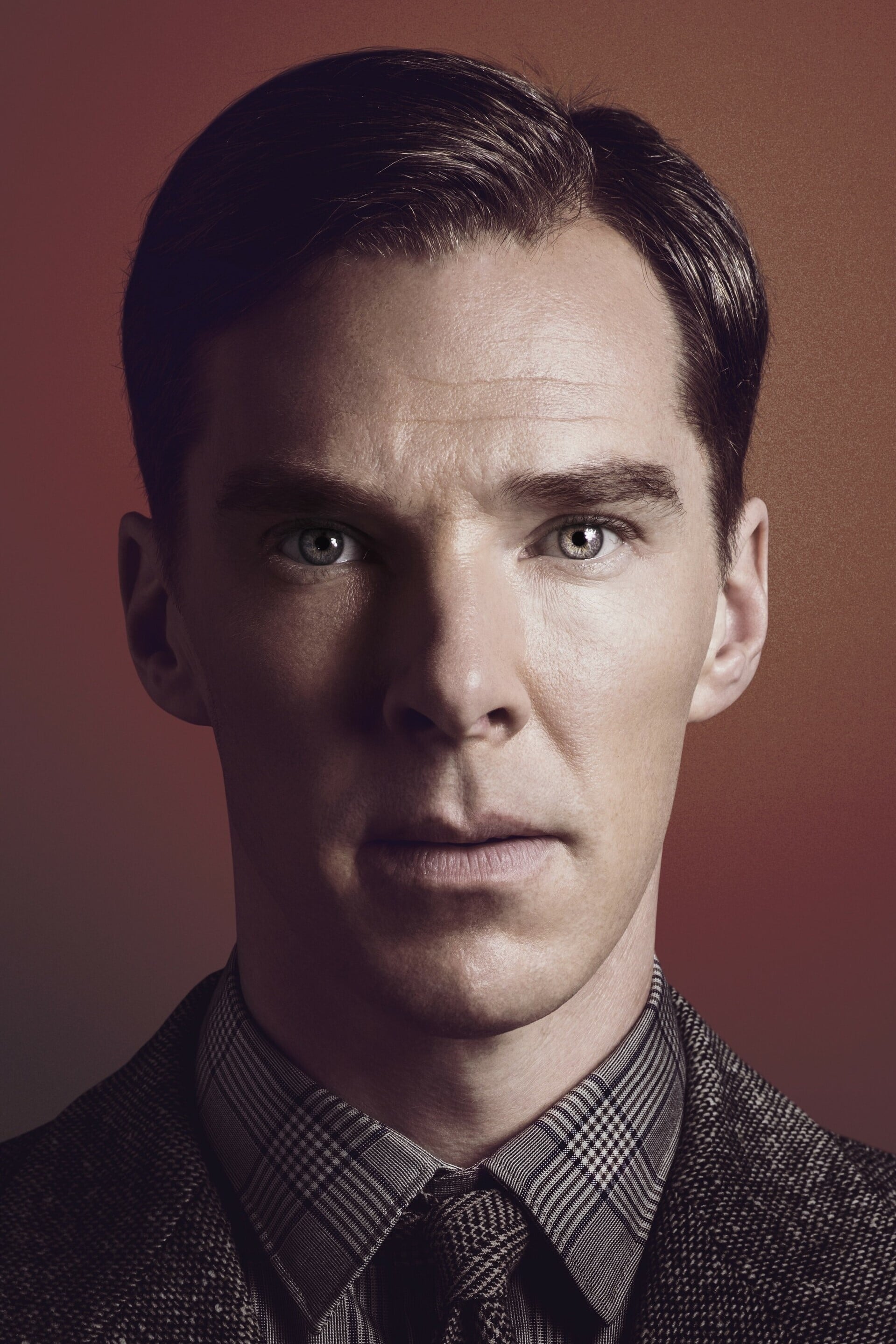
Age: 51
male
David Kenneth Harbour (born April 10, 1975) is an American actor. He has received nominations for a Tony Award, a Golden Globe Award, and two Primetime Emmy Awards. David began his career acting in Shakespearean theatre productions. After his professional debut on Broadway in the 1999 revival of The Rainmaker, he was nominated for a Tony Award for his performance in a production of Who's Afraid of Virginia Woolf?. He made his television debut on Law & Order in 1999 and had supporting roles in films such as Brokeback Mountain (2005), Revolutionary Road (2008) and Black Mass (2015). Harbour gained global recognition for his portrayal of Jim Hopper in the Netflix science fiction series Stranger Things (2016–2025), for which he received a Critics' Choice Television Award as well as nominations for two Primetime Emmy Awards. His starring film roles include the title character in Hellboy (2019), Santa Claus in Violent Night (2022) and a former racer in the sports film Gran Turismo (2023). Harbour has played Red Guardian in the Marvel Cinematic Universe media franchise, beginning with the film Black Widow (2021). Description above from the Wikipedia article David Harbour, licensed under CC-BY-SA, full list of contributors on Wikipedia.
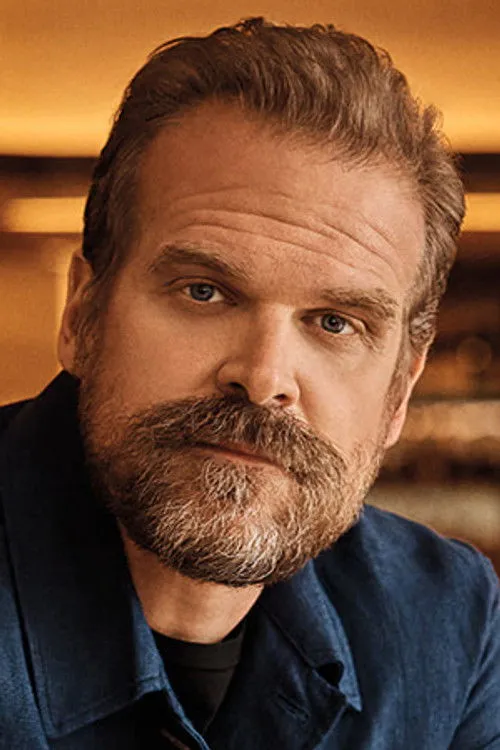
David Harbour

Generation X
for Generation X in Best by Generation
Suggested by gustavosoaresdemorales

The Strauss–Howe generational theory, devised by William Strauss and Neil Howe, describes a theorized recurring generation cycle in American history and Western history. According to the theory, historical events are associated with recurring generational personas (archetypes). Each generational persona unleashes a new era (called a turning) lasting around 20–25 years, in which a new social, political, and economic climate (mood) exists. An average life is 80 years and consists of four periods of ~20–22 years Childhood → Young adult → Midlife → Elderhood A generation is an aggregate of people born every ~20–22 years Baby Boomers → Gen X → Millennials → Homelanders Each generation experiences "four turnings" every ~80–90 years High → Awakening → Unraveling → Crisis A generation is considered "dominant" or "recessive" according to the turning experienced as young adults. But as a youth generation comes of age and defines its collective persona an opposing generational archetype is in its midlife peak of power. Dominant: independent behavior + attitudes in defining an era Recessive: dependent role in defining an era https://en.wikipedia.org/wiki/Strauss%E2%80%93Howe_generational_theory