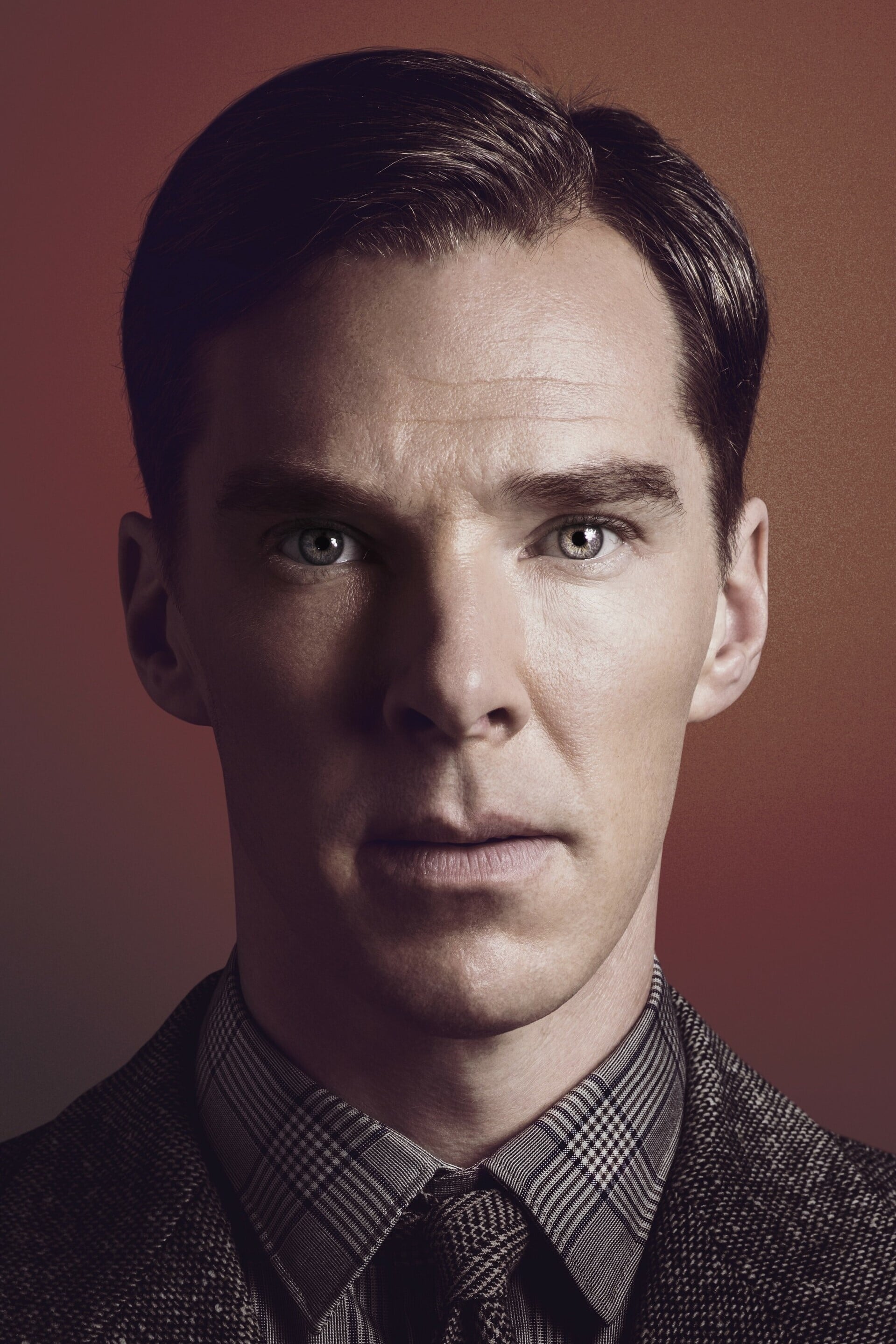
Age: 50
male
Cillian Murphy (born May 25, 1976) is an Irish actor. He made his professional debut in Enda Walsh's 1996 play Disco Pigs, a role he later reprised in the 2001 screen adaptation. His early notable film credits include the horror film 28 Days Later (2002), the dark comedy Intermission (2003), the thriller Red Eye (2005), the Irish war drama The Wind That Shakes the Barley (2006), and the science fiction thriller Sunshine (2007). He played a transgender Irish woman in the comedy-drama Breakfast on Pluto (2005), which earned him a Golden Globe Award nomination. Murphy began collaborating with filmmaker Christopher Nolan in 2005, playing Dr. Jonathan Crane / Scarecrow in The Dark Knight Trilogy (2005–2012) as well as appearing in Inception (2010) and Dunkirk (2017) and portraying the lead role of J. Robert Oppenheimer in the biographical epic Oppenheimer (2023). By the year 2023, Murphy has already worked with Nolan for around 20 years and six films. He also gained prominence for his role as Tommy Shelby in the BBC period drama series Peaky Blinders (2013–2022) and for starring in the horror sequel A Quiet Place Part II (2020). In 2011, Murphy won the Irish Times Theatre Award for Best Actor and Drama Desk Award for Outstanding Solo Performance for the one-man play Misterman. In 2020, The Irish Times named him one of the greatest Irish film actors.
Cillian Murphy

Generation X
for Generation X in Best by Generation
Suggested by gustavosoaresdemorales

The Strauss–Howe generational theory, devised by William Strauss and Neil Howe, describes a theorized recurring generation cycle in American history and Western history. According to the theory, historical events are associated with recurring generational personas (archetypes). Each generational persona unleashes a new era (called a turning) lasting around 20–25 years, in which a new social, political, and economic climate (mood) exists. An average life is 80 years and consists of four periods of ~20–22 years Childhood → Young adult → Midlife → Elderhood A generation is an aggregate of people born every ~20–22 years Baby Boomers → Gen X → Millennials → Homelanders Each generation experiences "four turnings" every ~80–90 years High → Awakening → Unraveling → Crisis A generation is considered "dominant" or "recessive" according to the turning experienced as young adults. But as a youth generation comes of age and defines its collective persona an opposing generational archetype is in its midlife peak of power. Dominant: independent behavior + attitudes in defining an era Recessive: dependent role in defining an era https://en.wikipedia.org/wiki/Strauss%E2%80%93Howe_generational_theory