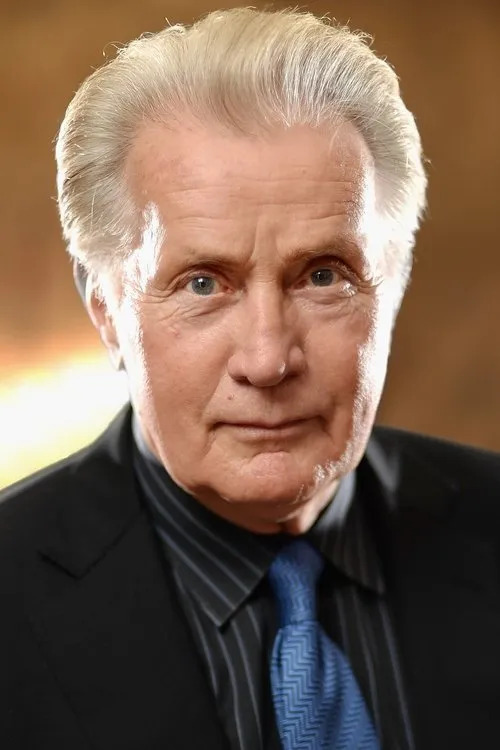
Age: 85
male
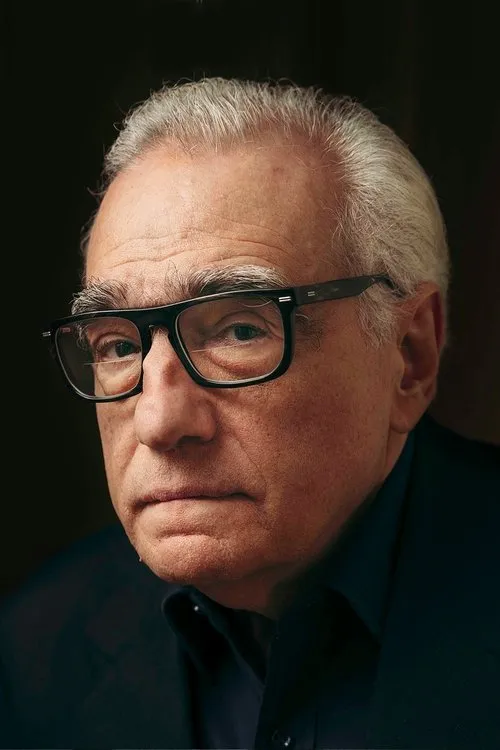
Ramón Antonio Gerardo Estévez (born August 3, 1940), known professionally as Martin Sheen, is an American actor. He first became known for his roles in the films The Subject Was Roses (1968) and Badlands (1973), and later achieved wide recognition for his leading role as Captain Benjamin Willard in Apocalypse Now (1979), as U.S. President Josiah Bartlet in the television series The West Wing (1999–2006), and as Robert Hanson in the Netflix television series Grace and Frankie (2015–2022). In film, Sheen has won the Best Actor award at the San Sebastián International Film Festival for his performance as Kit Carruthers in Badlands. Sheen's portrayal of Capt. Willard in Apocalypse Now earned a nomination for the BAFTA Award for Best Actor. Sheen has worked with a wide variety of film directors, including Richard Attenborough, Francis Ford Coppola, Terrence Malick, David Cronenberg, Mike Nichols, Martin Scorsese, Steven Spielberg, and Oliver Stone. Sheen received a star on the Hollywood Walk of Fame in 1989. In television, Sheen has won a Golden Globe and two Screen Actors Guild awards for playing the role of President Josiah Bartlet in The West Wing, and an Emmy for guest starring in the sitcom Murphy Brown. In 2012, he portrayed Uncle Ben in The Amazing Spider-Man directed by Marc Webb. Born and raised in the United States by a Spanish father and an Irish mother, he adopted the stage name Martin Sheen to help him gain acting parts. He is the father of four children, all of whom are actors. Sheen has directed one film, Cadence (1990), in which he appears alongside his sons Charlie and Ramón. He has narrated, produced, and directed documentary television, earning two Daytime Emmy awards in the 1980s, and has been active in liberal politics.
Martin Sheen

Silent Generation
for Silent Generation in Best by Generation
Suggested by gustavosoaresdemorales

The Strauss–Howe generational theory, devised by William Strauss and Neil Howe, describes a theorized recurring generation cycle in American history and Western history. According to the theory, historical events are associated with recurring generational personas (archetypes). Each generational persona unleashes a new era (called a turning) lasting around 20–25 years, in which a new social, political, and economic climate (mood) exists. An average life is 80 years and consists of four periods of ~20–22 years Childhood → Young adult → Midlife → Elderhood A generation is an aggregate of people born every ~20–22 years Baby Boomers → Gen X → Millennials → Homelanders Each generation experiences "four turnings" every ~80–90 years High → Awakening → Unraveling → Crisis A generation is considered "dominant" or "recessive" according to the turning experienced as young adults. But as a youth generation comes of age and defines its collective persona an opposing generational archetype is in its midlife peak of power. Dominant: independent behavior + attitudes in defining an era Recessive: dependent role in defining an era https://en.wikipedia.org/wiki/Strauss%E2%80%93Howe_generational_theory