Age: 87
male
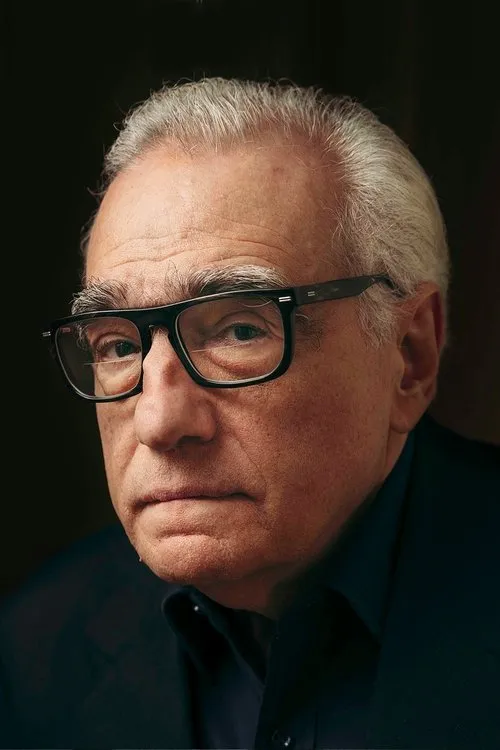
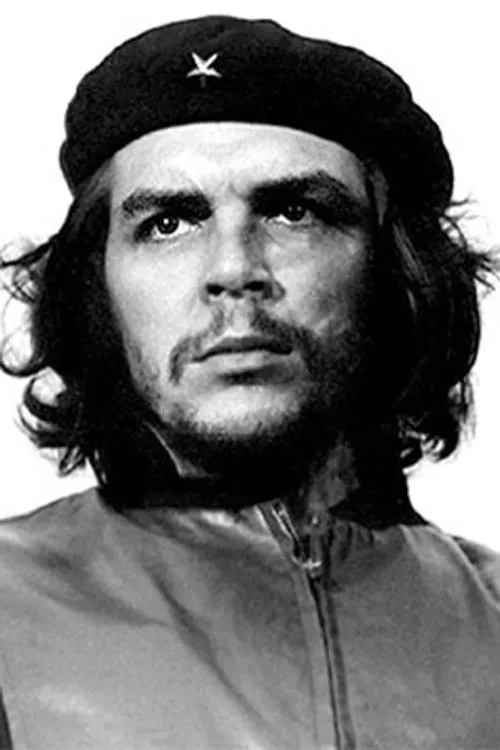
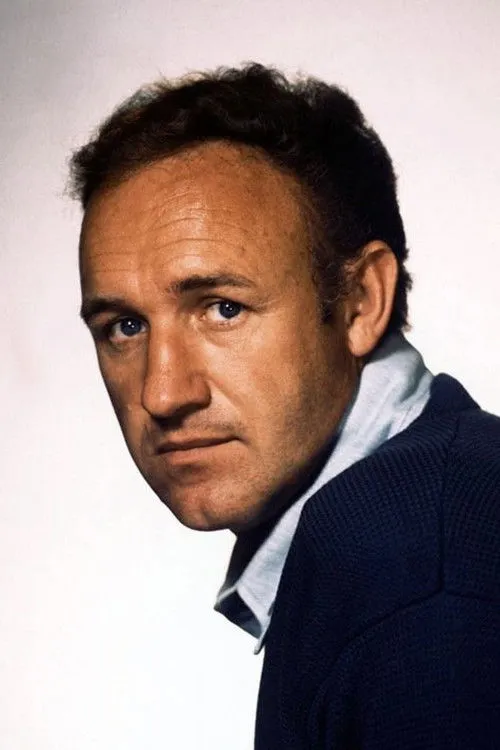
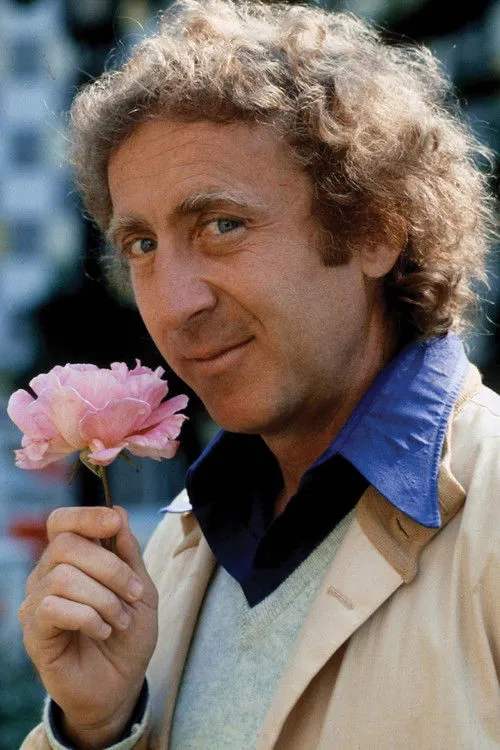
Christopher Allen Lloyd (born October 22, 1938) is an American actor. He has appeared in many theater productions, films, and on television since the 1960s. He is known for portraying Dr. Emmett "Doc" Brown in the Back to the Future trilogy (1985–1990) and Jim Ignatowski in the comedy series Taxi (1978–1983), for which he won two Emmy Awards. Lloyd came to public attention in Northeastern theater productions during the 1960s and early 1970s, earning Drama Desk and Obie awards for his work. He made his cinematic debut in One Flew Over the Cuckoo's Nest (1975) and went on to star as Commander Kruge in Star Trek III: The Search for Spock (1984), Professor Plum in Clue (1985), Judge Doom in Who Framed Roger Rabbit (1988), Uncle Fester in The Addams Family (1991) and its sequel Addams Family Values (1993), Switchblade Sam in Dennis the Menace (1993), Mr. Goodman in Piranha 3D (2010), Bill Crowley in I Am Not a Serial Killer (2016) and David Mansell in Nobody (2021). He earned a third Emmy for his 1992 guest appearance as Alistair Dimple in Road to Avonlea (1992), and won an Independent Spirit Award for his performance in Twenty Bucks (1993). He has done extensive voice work, including Merlock in DuckTales the Movie: Treasure of the Lost Lamp (1990), Grigori Rasputin in Anastasia (1997), the Hacker in the PBS Kids series Cyberchase (2002–present), which earned him Daytime Emmy nominations, and the Woodsman in the Cartoon Network miniseries Over the Garden Wall (2014).
Christopher Lloyd

Silent Generation
for Silent Generation in Best by Generation
Suggested by gustavosoaresdemorales

The Strauss–Howe generational theory, devised by William Strauss and Neil Howe, describes a theorized recurring generation cycle in American history and Western history. According to the theory, historical events are associated with recurring generational personas (archetypes). Each generational persona unleashes a new era (called a turning) lasting around 20–25 years, in which a new social, political, and economic climate (mood) exists. An average life is 80 years and consists of four periods of ~20–22 years Childhood → Young adult → Midlife → Elderhood A generation is an aggregate of people born every ~20–22 years Baby Boomers → Gen X → Millennials → Homelanders Each generation experiences "four turnings" every ~80–90 years High → Awakening → Unraveling → Crisis A generation is considered "dominant" or "recessive" according to the turning experienced as young adults. But as a youth generation comes of age and defines its collective persona an opposing generational archetype is in its midlife peak of power. Dominant: independent behavior + attitudes in defining an era Recessive: dependent role in defining an era https://en.wikipedia.org/wiki/Strauss%E2%80%93Howe_generational_theory