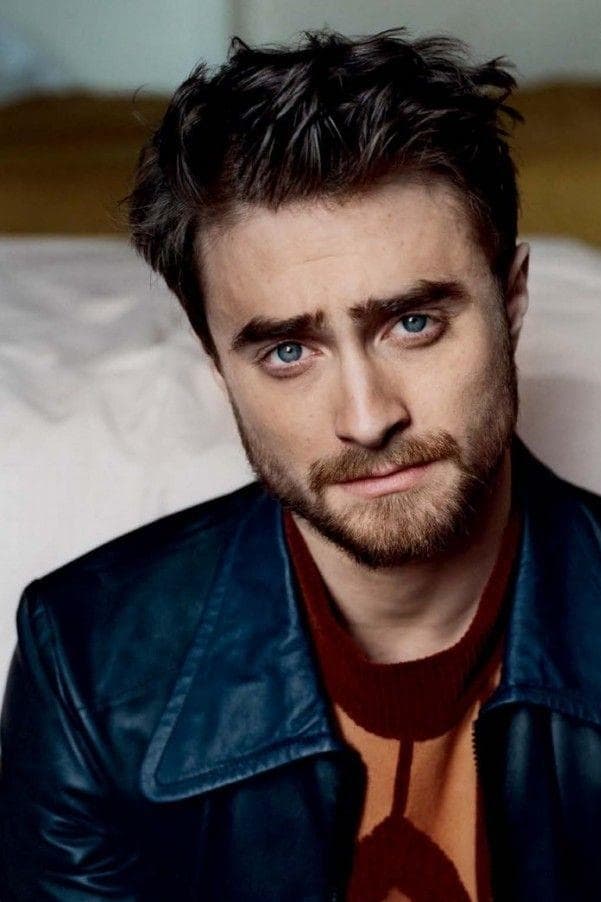
Age: 38
male
Michael Austin Cera (born June 7, 1988) is a Canadian actor and musician. He started his career as a child actor, voicing the character of Brother Bear on the children’s television show The Berenstain Bears and portraying a young Chuck Barris in Confessions of a Dangerous Mind (2002). He has had numerous roles in United States television and film productions, including character George Michael Bluth on the sitcom Arrested Development (2003–2006, 2013, 2018–2019) and for his film roles as Evan in Superbad (2007), Paulie Bleeker in Juno (2007), Scott Pilgrim in Scott Pilgrim vs. the World (2010), and a fictional version of himself in This Is the End (2013). He voiced Dick Grayson/Robin in The Lego Batman Movie (2017), Barry (a deformed sausage) in Sausage Party (2016), and Sal Viscuso, the voice behind the announcements in Childrens Hospital. Cera made his Broadway debut in the 2014 production of Kenneth Lonergan's This Is Our Youth. For his performance in the 2018 production of Lonergan's Lobby Hero, Cera was nominated for the Tony Award for Best Performance by a Featured Actor in a Play. Cera starred in the revival of Lonergan's The Waverly Gallery. In addition to acting, Cera is a musician, having released his debut album True That in 2014. Cera has also performed as the touring bassist for indie rock supergroup Mister Heavenly.
Michael Cera

Millennial or Y
for Millennial or Y in Best by Generation
Suggested by raymondleduc

The Strauss–Howe generational theory, devised by William Strauss and Neil Howe, describes a theorized recurring generation cycle in American history and Western history. According to the theory, historical events are associated with recurring generational personas (archetypes). Each generational persona unleashes a new era (called a turning) lasting around 20–25 years, in which a new social, political, and economic climate (mood) exists. An average life is 80 years and consists of four periods of ~20–22 years Childhood → Young adult → Midlife → Elderhood A generation is an aggregate of people born every ~20–22 years Baby Boomers → Gen X → Millennials → Homelanders Each generation experiences "four turnings" every ~80–90 years High → Awakening → Unraveling → Crisis A generation is considered "dominant" or "recessive" according to the turning experienced as young adults. But as a youth generation comes of age and defines its collective persona an opposing generational archetype is in its midlife peak of power. Dominant: independent behavior + attitudes in defining an era Recessive: dependent role in defining an era https://en.wikipedia.org/wiki/Strauss%E2%80%93Howe_generational_theory