Age: 43
male
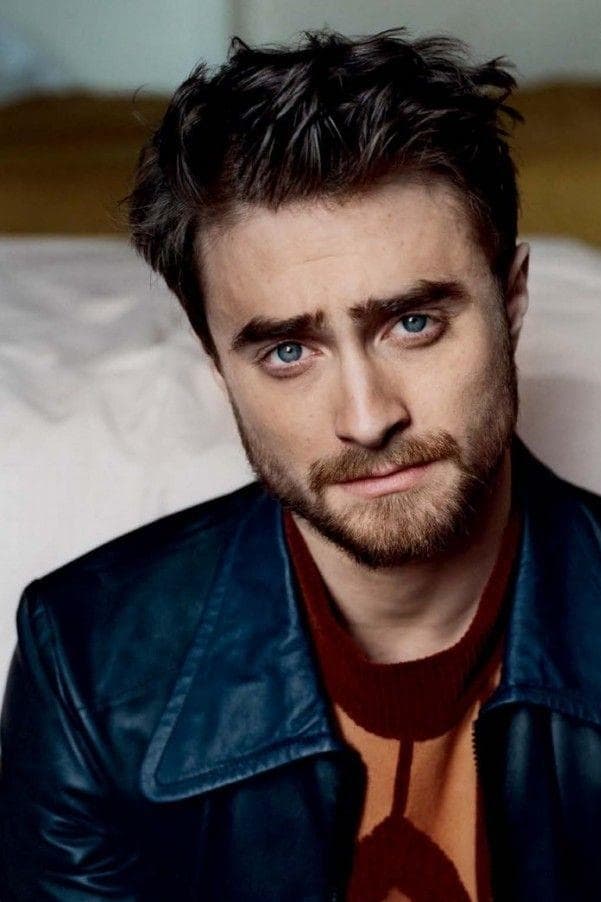
Matthew Robert Smith (born 28 October 1982) is an English actor. He is known for playing the Eleventh Doctor in the BBC science fiction television series Doctor Who (2010–2013), Prince Philip in Netflix's historical series The Crown (2016–2017)—for which he received a Primetime Emmy Award nomination—and Daemon Targaryen in HBO's fantasy drama series House of the Dragon(2022–present). Smith initially aspired to be a professional footballer, but spondylolysis forced him out of the sport. After joining the National Youth Theatre and studying drama and creative writing at the University of East Anglia, he began his acting career in 2003, performing in plays such as Murder in the Cathedral, Fresh Kills, The History Boys, and On the Shore of the Wide World in London theatres. Extending his repertoire into West End theatre, he has since performed in the stage adaptation of Swimming with Sharks with Christian Slater, followed a year later by a critically acclaimed performance in That Face. Smith's first television role was in 2006 as Jim Taylor in the BBC adaptations of Philip Pullman's The Ruby in the Smoke and The Shadow in the North. His first significant television role came as Danny in the 2007 BBC series Party Animals. In film, he has played a dual role in the science fiction film Womb (2010), the physical forms of Skynet in the cyberpunk action film Terminator Genisys (2015), a 1960s pimp in the psychological horror film Last Night in Soho (2021) and Milo Morbius in the superhero film Morbius (2022). Description above from the Wikipedia article Matt Smith, licensed under CC-BY-SA, full list of contributors on Wikipedia.
Matt Smith

Millennial or Y
for Millennial or Y in Best by Generation
Suggested by gustavosoaresdemorales

The Strauss–Howe generational theory, devised by William Strauss and Neil Howe, describes a theorized recurring generation cycle in American history and Western history. According to the theory, historical events are associated with recurring generational personas (archetypes). Each generational persona unleashes a new era (called a turning) lasting around 20–25 years, in which a new social, political, and economic climate (mood) exists. An average life is 80 years and consists of four periods of ~20–22 years Childhood → Young adult → Midlife → Elderhood A generation is an aggregate of people born every ~20–22 years Baby Boomers → Gen X → Millennials → Homelanders Each generation experiences "four turnings" every ~80–90 years High → Awakening → Unraveling → Crisis A generation is considered "dominant" or "recessive" according to the turning experienced as young adults. But as a youth generation comes of age and defines its collective persona an opposing generational archetype is in its midlife peak of power. Dominant: independent behavior + attitudes in defining an era Recessive: dependent role in defining an era https://en.wikipedia.org/wiki/Strauss%E2%80%93Howe_generational_theory