Died at 478
male
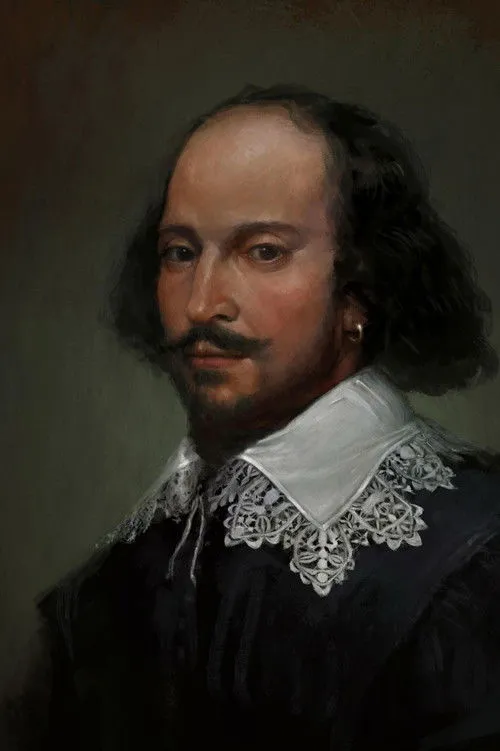
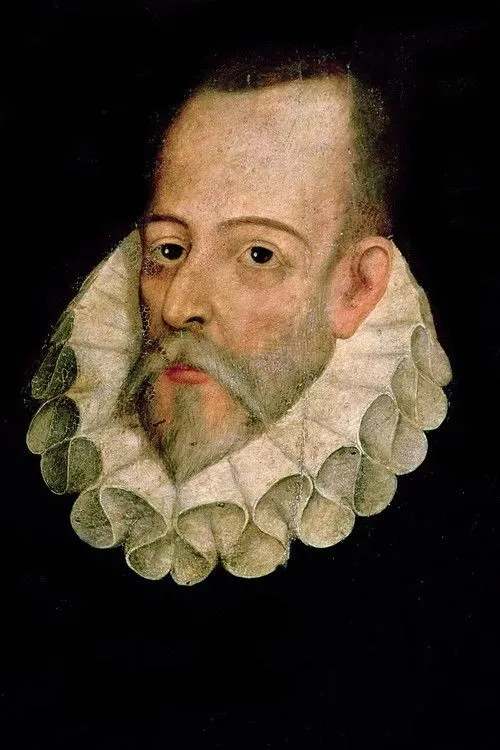
Miguel de Cervantes Saavedra (Spanish: [miˈɣel de θeɾˈβantes saaˈβeðɾa]; 29 September 1547 (assumed) – 22 April 1616 NS) was a Spanish writer widely regarded as the greatest writer in the Spanish language and one of the world's pre-eminent novelists. He is best known for his novel Don Quixote, a work often cited as both the first modern novel and one of the pinnacles of world literature. Much of his life was spent in poverty and obscurity, while the bulk of his surviving work was produced in the three years preceding his death, when he was supported by the Count of Lemos and did not have to work. Despite this, his influence and literary contribution are reflected by the fact that Spanish is often referred to as "the language of Cervantes". In 1569, Cervantes was forced to leave Spain and move to Rome, where he worked in the household of a cardinal. In 1570, he enlisted in a Spanish Navy infantry regiment, and was badly wounded at the Battle of Lepanto in October 1571. He served as a soldier until 1575, when he was captured by Barbary pirates; after five years in captivity, he was ransomed, and returned to Madrid. His first significant novel, titled La Galatea, was published in 1585, but he continued to work as a purchasing agent, and later as government tax collector. Part One of Don Quixote was published in 1605, and Part Two in 1615. Other works include the 12 Novelas ejemplares (Exemplary Novels); a long poem, the Viaje del Parnaso (Journey to Parnassus); and Ocho comedias y ocho entremeses (Eight Plays and Eight Interludes). Los trabajos de Persiles y Sigismunda (The Travails of Persiles and Sigismunda), was published posthumously in 1616. Description above from the Wikipedia article Miguel de Cervantes, licensed under CC-BY-SA, full list of contributors on Wikipedia.
Miguel de Cervantes

Elizabethan Generation
for Elizabethan Generation in Best by Generation
Suggested by gustavosoaresdemorales

The Strauss–Howe generational theory, devised by William Strauss and Neil Howe, describes a theorized recurring generation cycle in American history and Western history. According to the theory, historical events are associated with recurring generational personas (archetypes). Each generational persona unleashes a new era (called a turning) lasting around 20–25 years, in which a new social, political, and economic climate (mood) exists. An average life is 80 years and consists of four periods of ~20–22 years Childhood → Young adult → Midlife → Elderhood A generation is an aggregate of people born every ~20–22 years Baby Boomers → Gen X → Millennials → Homelanders Each generation experiences "four turnings" every ~80–90 years High → Awakening → Unraveling → Crisis A generation is considered "dominant" or "recessive" according to the turning experienced as young adults. But as a youth generation comes of age and defines its collective persona an opposing generational archetype is in its midlife peak of power. Dominant: independent behavior + attitudes in defining an era Recessive: dependent role in defining an era https://en.wikipedia.org/wiki/Strauss%E2%80%93Howe_generational_theory