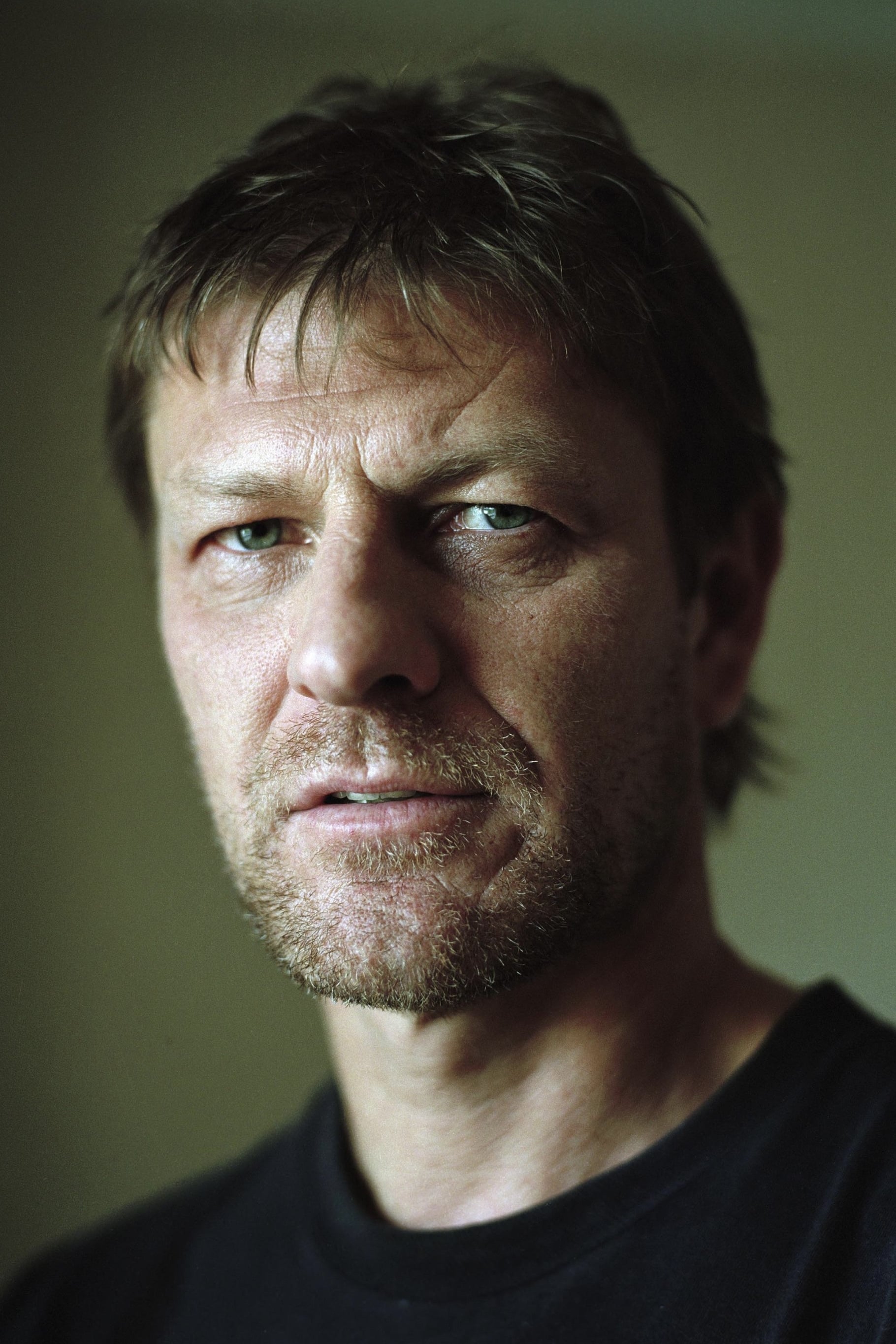
Age: 67
male
Timothy Walter Burton (born August 25, 1958) is an American filmmaker and animator. He is known for his gothic fantasy and horror films such as Beetlejuice (1988), Edward Scissorhands (1990), The Nightmare Before Christmas (1993), Ed Wood (1994), Sleepy Hollow (1999), Corpse Bride (2005), Sweeney Todd: The Demon Barber of Fleet Street (2007) and Dark Shadows (2012), as well as the television series Wednesday (2022). Burton also directed the superhero films Batman (1989) and Batman Returns (1992), the sci-fi film Planet of the Apes (2001), the fantasy-drama Big Fish (2003), the musical adventure film Charlie and the Chocolate Factory (2005), and the fantasy films Alice in Wonderland (2010) and Miss Peregrine's Home for Peculiar Children (2016). Burton has often worked with actors Winona Ryder, Johnny Depp, Lisa Marie (former girlfriend), Helena Bonham Carter (his former domestic partner) and composer Danny Elfman, who scored all but three of Burton's films. Burton also wrote and illustrated the poetry book The Melancholy Death of Oyster Boy & Other Stories, published in 1997 by British publishing house Faber and Faber, and a compilation of his drawings, sketches, and other artwork, entitled The Art of Tim Burton, was released in 2009. A follow-up to that book, entitled The Napkin Art of Tim Burton: Things You Think About in a Bar, containing sketches made by Burton on napkins at bars and restaurants he visited, was released in 2015. His accolades include nominations for two Academy Awards and three BAFTA Awards, and wins for an Emmy Award and a Golden Globe Award.
Tim Burton

Baby Boomers
for Baby Boomers in Best by Generation
Suggested by gustavosoaresdemorales

The Strauss–Howe generational theory, devised by William Strauss and Neil Howe, describes a theorized recurring generation cycle in American history and Western history. According to the theory, historical events are associated with recurring generational personas (archetypes). Each generational persona unleashes a new era (called a turning) lasting around 20–25 years, in which a new social, political, and economic climate (mood) exists. An average life is 80 years and consists of four periods of ~20–22 years Childhood → Young adult → Midlife → Elderhood A generation is an aggregate of people born every ~20–22 years Baby Boomers → Gen X → Millennials → Homelanders Each generation experiences "four turnings" every ~80–90 years High → Awakening → Unraveling → Crisis A generation is considered "dominant" or "recessive" according to the turning experienced as young adults. But as a youth generation comes of age and defines its collective persona an opposing generational archetype is in its midlife peak of power. Dominant: independent behavior + attitudes in defining an era Recessive: dependent role in defining an era https://en.wikipedia.org/wiki/Strauss%E2%80%93Howe_generational_theory