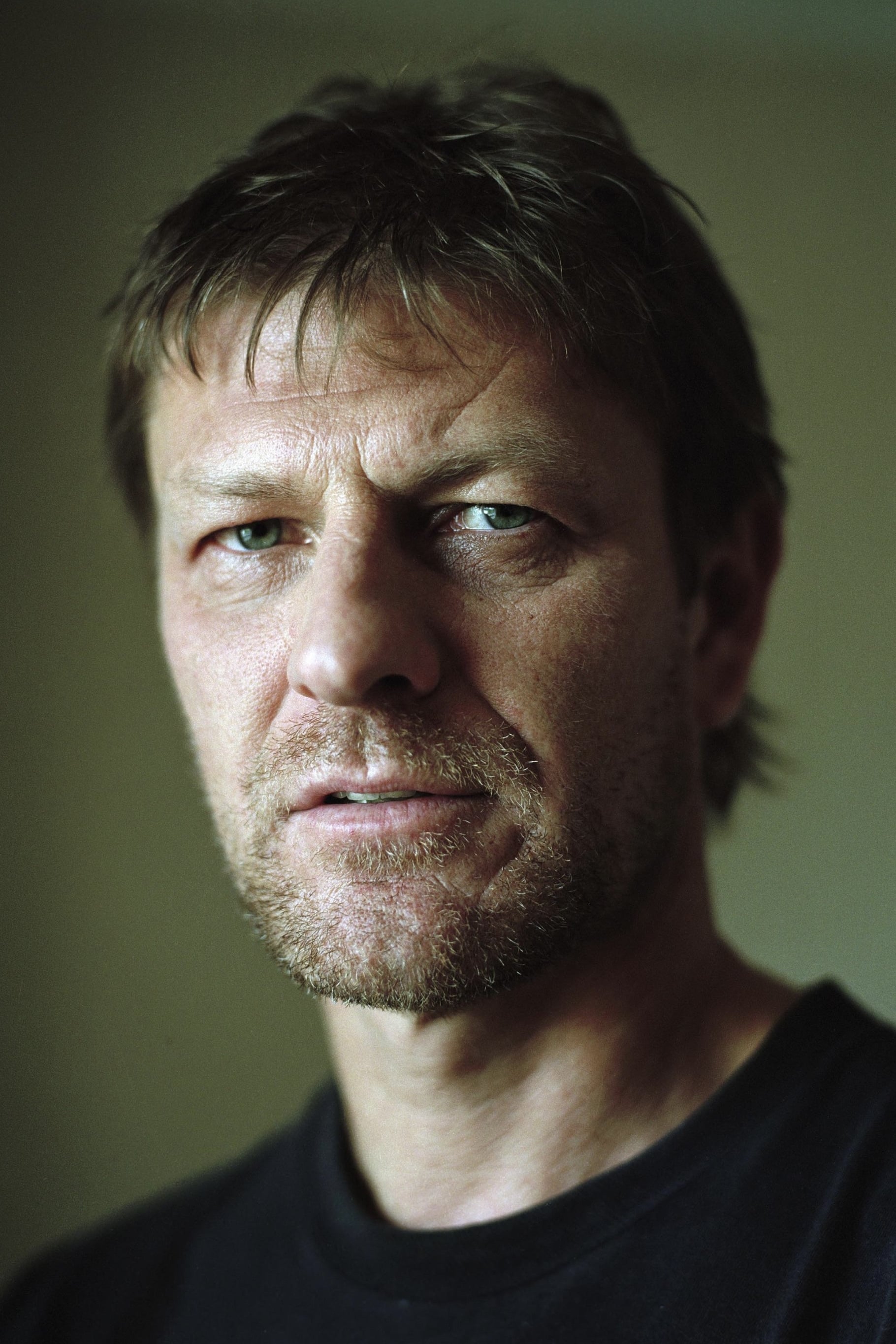
Age: 68
male
Steven Vincent Buscemi (born December 13, 1957) is an American actor. His early credits consist of significant roles in independent film productions such as Parting Glances (1986), Mystery Train (1989), In the Soup (1992), and his breakout role as Mr. Pink in Quentin Tarantino's Reservoir Dogs (1992). Buscemi has appeared in both independent and mainstream films, including Living in Oblivion (1995), Desperado (1995), Con Air (1997), Armageddon (1998), Ghost World (2001), Big Fish (2003), and The Death of Stalin (2017). Buscemi has often collaborated with the Coen brothers, appearing in Miller's Crossing (1990), Fargo (1996), and The Big Lebowski (1998). He also appeared in supporting or cameo roles in many films with Adam Sandler, including Airheads (1994), Billy Madison (1995), The Wedding Singer (1998), Mr. Deeds (2002), and Hubie Halloween (2020). He provided voice acting roles in the animated films Monsters, Inc. (2001), The Boss Baby (2017), and Transformers One (2024). Buscemi also directed the films Trees Lounge (1996), Animal Factory (2000), and Interview (2007). Buscemi has also had an extensive career in television, notably starring in the lead role of Enoch "Nucky" Thompson in the HBO series Boardwalk Empire (2010–2014). His performance earned him two Screen Actors Guild Awards, a Golden Globe and two nominations for a Primetime Emmy Award. His other television roles include Lonesome Dove (1989), The Sopranos (2004, 2006), 30 Rock (2007–2013), Horace and Pete (2016), and Miracle Workers (2019–2023).
Steve Buscemi

Baby Boomers
for Baby Boomers in Best by Generation
Suggested by gustavosoaresdemorales

The Strauss–Howe generational theory, devised by William Strauss and Neil Howe, describes a theorized recurring generation cycle in American history and Western history. According to the theory, historical events are associated with recurring generational personas (archetypes). Each generational persona unleashes a new era (called a turning) lasting around 20–25 years, in which a new social, political, and economic climate (mood) exists. An average life is 80 years and consists of four periods of ~20–22 years Childhood → Young adult → Midlife → Elderhood A generation is an aggregate of people born every ~20–22 years Baby Boomers → Gen X → Millennials → Homelanders Each generation experiences "four turnings" every ~80–90 years High → Awakening → Unraveling → Crisis A generation is considered "dominant" or "recessive" according to the turning experienced as young adults. But as a youth generation comes of age and defines its collective persona an opposing generational archetype is in its midlife peak of power. Dominant: independent behavior + attitudes in defining an era Recessive: dependent role in defining an era https://en.wikipedia.org/wiki/Strauss%E2%80%93Howe_generational_theory