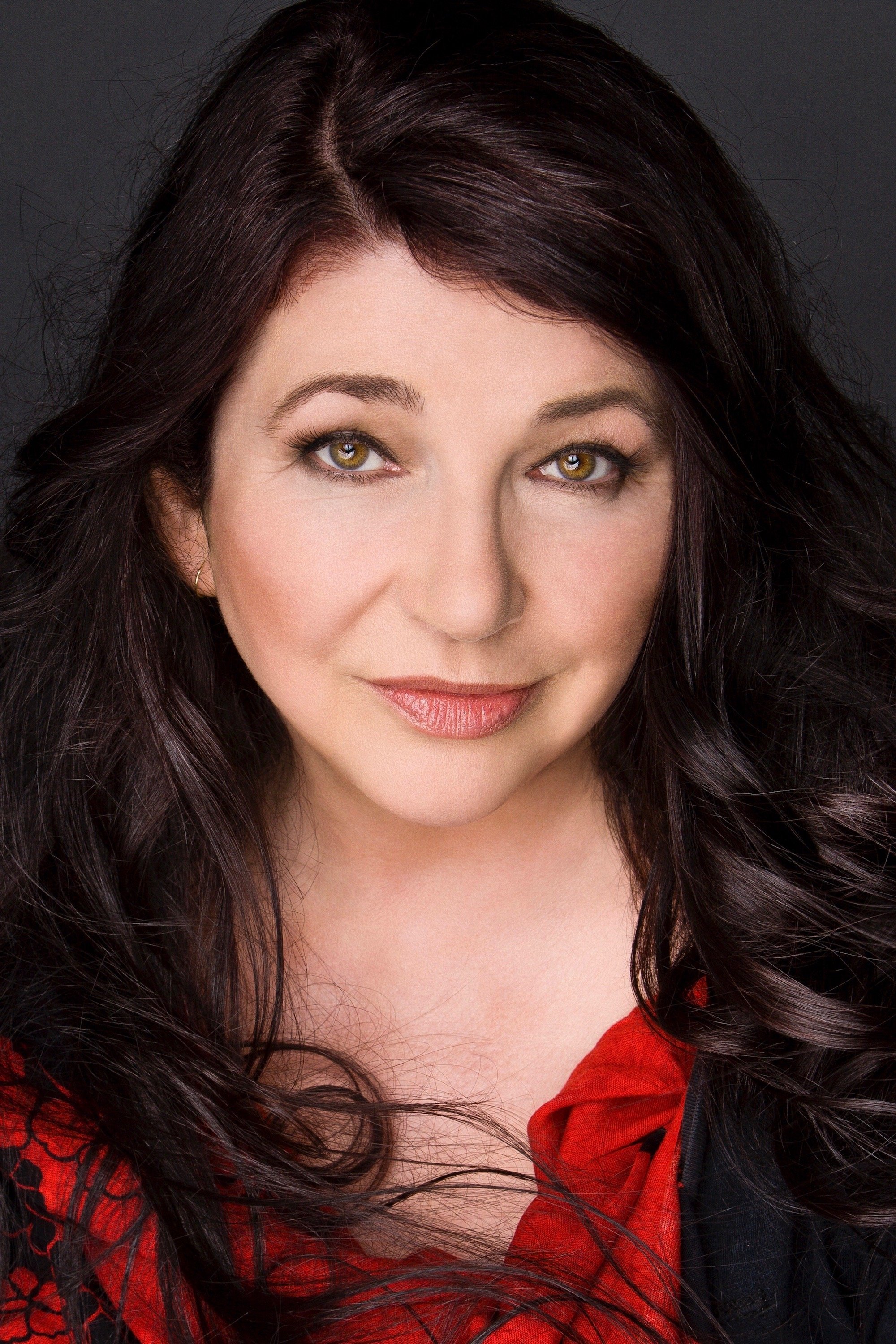
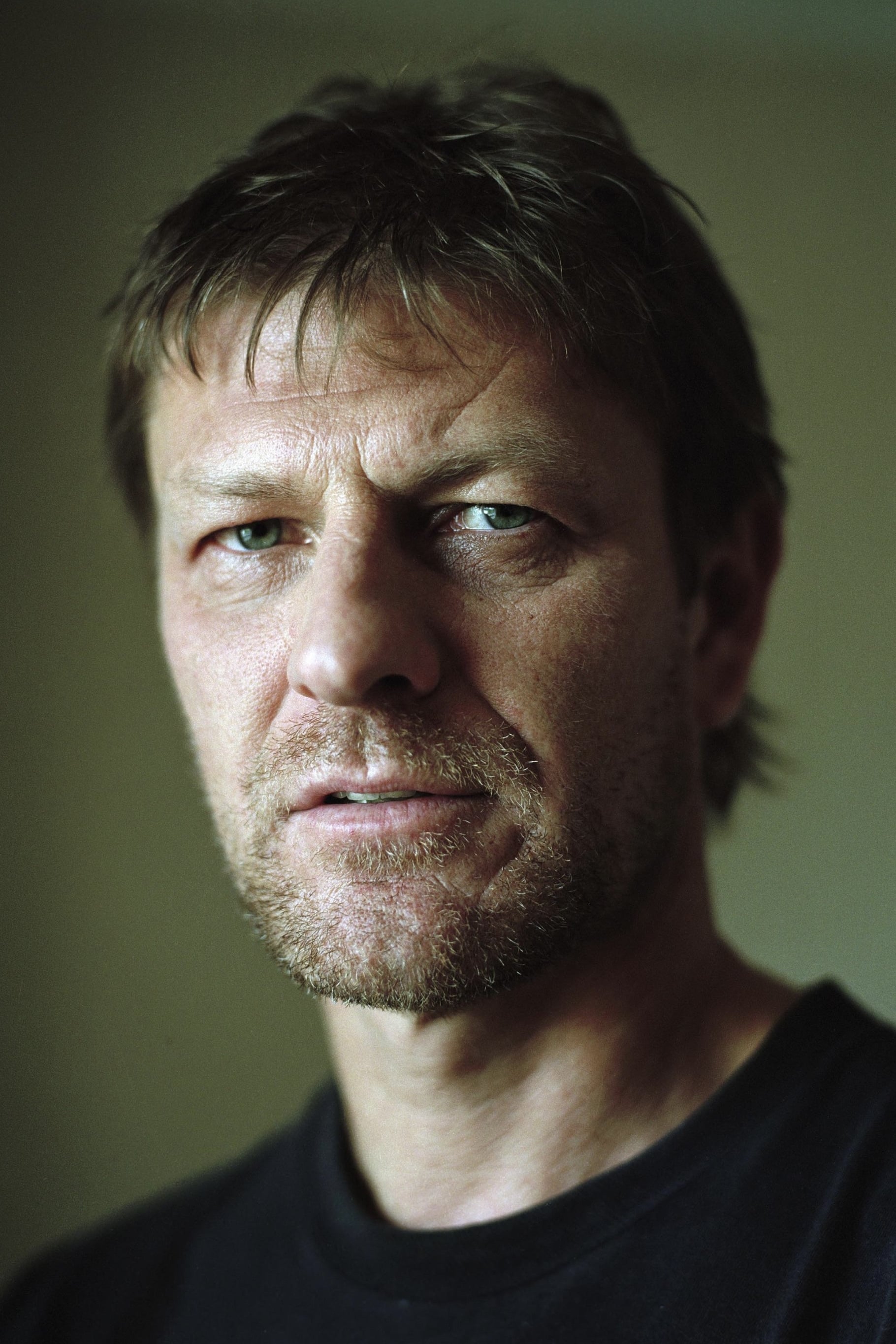
Age: 74
male
Robert Lee Zemeckis (born May 14, 1952) is an American filmmaker known for directing and producing a range of successful and influential movies. He often blends cutting-edge visual effects with storytelling. He has received several accolades, including an Academy Award and a Golden Globe Award, as well as nominations for five British Academy Film Awards and a Daytime Emmy Award. Zemeckis started his career directing the comedy films I Wanna Hold Your Hand (1978), Used Cars (1980), and Romancing the Stone (1984). He gained prominence directing the science-fiction comedy Back to the Future trilogy (1985–1990), the fantasy comedy Who Framed Roger Rabbit (1988), and the comedy-drama Forrest Gump (1994), the latter of which won Academy Awards for Best Picture and Best Director. He has also directed the satirical black comedy Death Becomes Her (1992), the science fiction film Contact (1997), and the drama films Cast Away (2000), Flight (2012), The Walk (2015), and Allied (2016). His exploration of motion capture techniques can be seen in the animated films The Polar Express (2004) and A Christmas Carol (2009), as well as the action fantasy drama Beowulf (2007) and the drama Welcome to Marwen (2018). He has collaborated with film composer Alan Silvestri since 1984 and directed Tom Hanks in five films. Description above from the Wikipedia article Robert Zemeckis, licensed under CC-BY-SA, full list of contributors on Wikipedia.
Robert Zemeckis

Baby Boomers
for Baby Boomers in Best by Generation
Suggested by gustavosoaresdemorales

The Strauss–Howe generational theory, devised by William Strauss and Neil Howe, describes a theorized recurring generation cycle in American history and Western history. According to the theory, historical events are associated with recurring generational personas (archetypes). Each generational persona unleashes a new era (called a turning) lasting around 20–25 years, in which a new social, political, and economic climate (mood) exists. An average life is 80 years and consists of four periods of ~20–22 years Childhood → Young adult → Midlife → Elderhood A generation is an aggregate of people born every ~20–22 years Baby Boomers → Gen X → Millennials → Homelanders Each generation experiences "four turnings" every ~80–90 years High → Awakening → Unraveling → Crisis A generation is considered "dominant" or "recessive" according to the turning experienced as young adults. But as a youth generation comes of age and defines its collective persona an opposing generational archetype is in its midlife peak of power. Dominant: independent behavior + attitudes in defining an era Recessive: dependent role in defining an era https://en.wikipedia.org/wiki/Strauss%E2%80%93Howe_generational_theory