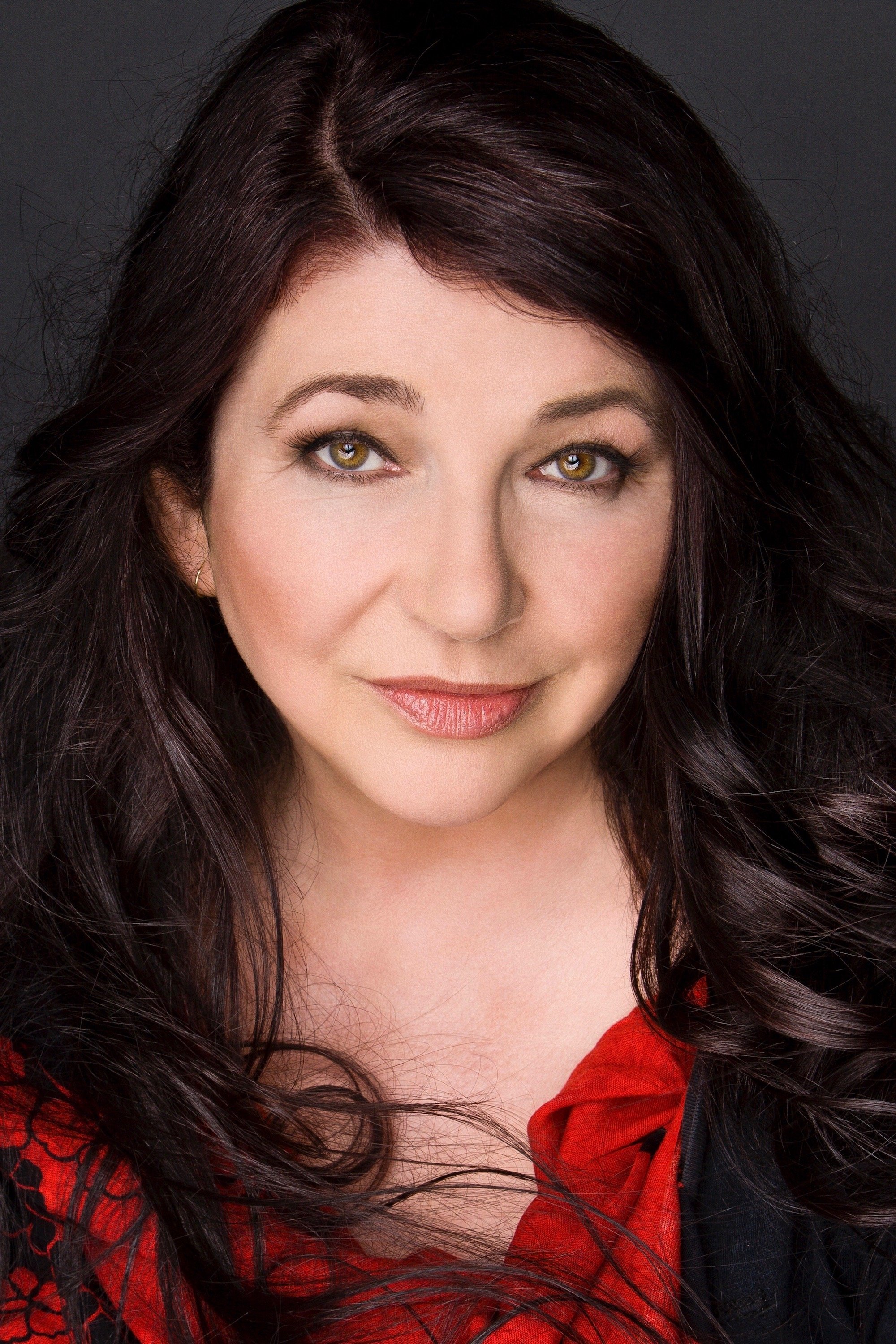
Age: 78
female
Kathleen Doyle Bates (born June 28, 1948) is an American actress and director. She has been the recipient of numerous accolades, including an Academy Award, two Primetime Emmy Awards, and two Golden Globe Awards. Born in Memphis, Tennessee, she studied theatre at the Southern Methodist University before moving to New York City to pursue an acting career. She landed minor stage roles before being cast in her first on screen role in Taking Off (1971). Her first Off-Broadway stage performance was in the 1976 production of Vanities. Throughout the 1970s and early 1980s, she continued to perform on screen and on stage, and garnered a Tony Award nomination for Best Lead Actress in a Play in 1983 for her performance in 'night, Mother, and won an Obie Award in 1988 for her performance in Frankie and Johnny in the Clair de Lune. Bates' performance as Annie Wilkes in the tense psychological thriller Misery (1990) marked her Hollywood breakthrough, winning her the Academy Award for Best Actress. Further acclaim came for her starring role in Dolores Claiborne (1995), The Waterboy (1998), and supporting roles in Fried Green Tomatoes (1991) and Titanic (1997). Bates received subsequent Oscar nods in the Best Supporting Actress category for her work in Primary Colors (1998), About Schmidt (2002), and Richard Jewell (2019). Bates' television work has resulted in 14 Emmy Award nominations, including two for her leading role on the NBC series Harry's Law (2011–12). She won the Primetime Emmy Award for Outstanding Guest Actress in a Comedy Series for her appearance on the ninth season of Two and a Half Men (2012) and the Primetime Emmy Award for Outstanding Supporting Actress in a Miniseries or Movie for her portrayal of Delphine LaLaurie on the third season of American Horror Story (2013). She also received accolades for her portrayal of Miss Hannigan in the 1999 television adaptation of Annie. Her directing credits include several episodes of the HBO television series Six Feet Under (2001–03) and the television film Ambulance Girl (2005).
Kathy Bates

Baby Boomers
for Baby Boomers in Best by Generation
Suggested by gustavosoaresdemorales

The Strauss–Howe generational theory, devised by William Strauss and Neil Howe, describes a theorized recurring generation cycle in American history and Western history. According to the theory, historical events are associated with recurring generational personas (archetypes). Each generational persona unleashes a new era (called a turning) lasting around 20–25 years, in which a new social, political, and economic climate (mood) exists. An average life is 80 years and consists of four periods of ~20–22 years Childhood → Young adult → Midlife → Elderhood A generation is an aggregate of people born every ~20–22 years Baby Boomers → Gen X → Millennials → Homelanders Each generation experiences "four turnings" every ~80–90 years High → Awakening → Unraveling → Crisis A generation is considered "dominant" or "recessive" according to the turning experienced as young adults. But as a youth generation comes of age and defines its collective persona an opposing generational archetype is in its midlife peak of power. Dominant: independent behavior + attitudes in defining an era Recessive: dependent role in defining an era https://en.wikipedia.org/wiki/Strauss%E2%80%93Howe_generational_theory