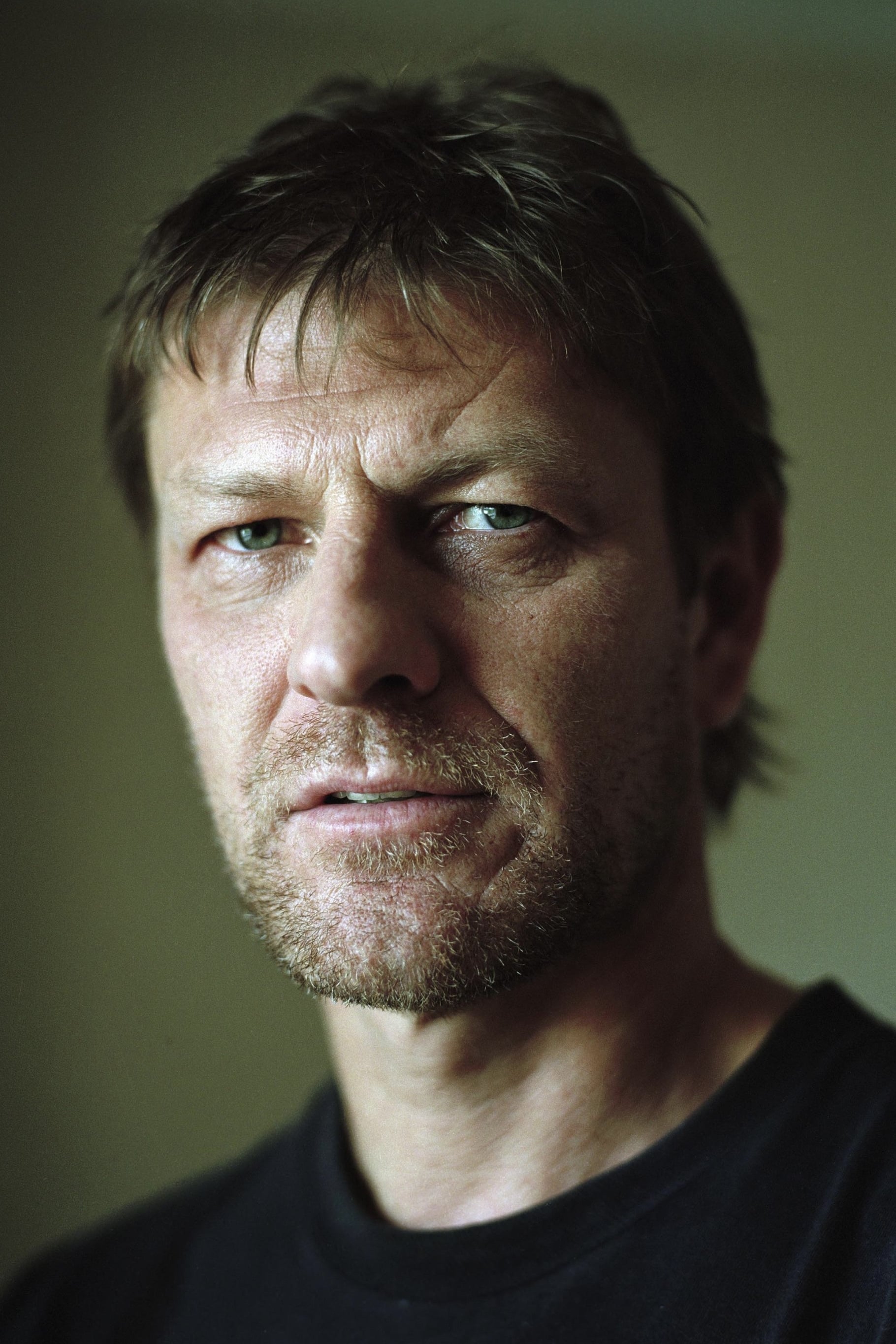
Age: 63
male
John Christopher Depp II (born June 9, 1963) is an American actor, producer and musician. He is the recipient of various accolades, including a Golden Globe Award and a Screen Actors Guild Award, in addition to nominations for three Academy Awards and two British Academy Film Awards. He made his debut in the horror film A Nightmare on Elm Street (1984), before rising to prominence as a teen idol on the television series 21 Jump Street (1987–1990). In the 1990s, he acted mostly in independent films, often playing eccentric characters. These included What's Eating Gilbert Grape (1993), Benny and Joon (1993), Dead Man (1995), Donnie Brasco (1997) and Fear and Loathing in Las Vegas (1998). He also began collaborating with director Tim Burton, starring in Edward Scissorhands (1990), Ed Wood (1994), and Sleepy Hollow (1999). In the 2000s, he became one of the most commercially successful film stars by playing Captain Jack Sparrow in the swashbuckler film series Pirates of the Caribbean (2003–present). He received critical praise for Finding Neverland (2004), and continued his commercially successful collaboration with Tim Burton with the films Charlie and the Chocolate Factory (2005), Corpse Bride (2005), Sweeney Todd: The Demon Barber of Fleet Street (2007), and Alice in Wonderland (2010). In 2012, he was one of the world's biggest film stars, and was listed by the Guinness World Records as the world's highest-paid actor, with earnings of US$75 million. During the 2010s, Depp began producing films through his company, Infinitum Nihil, and formed the rock supergroup Hollywood Vampires with Alice Cooper and Joe Perry.
Johnny Depp

Baby Boomers
for Baby Boomers in Best by Generation
Suggested by gustavosoaresdemorales

The Strauss–Howe generational theory, devised by William Strauss and Neil Howe, describes a theorized recurring generation cycle in American history and Western history. According to the theory, historical events are associated with recurring generational personas (archetypes). Each generational persona unleashes a new era (called a turning) lasting around 20–25 years, in which a new social, political, and economic climate (mood) exists. An average life is 80 years and consists of four periods of ~20–22 years Childhood → Young adult → Midlife → Elderhood A generation is an aggregate of people born every ~20–22 years Baby Boomers → Gen X → Millennials → Homelanders Each generation experiences "four turnings" every ~80–90 years High → Awakening → Unraveling → Crisis A generation is considered "dominant" or "recessive" according to the turning experienced as young adults. But as a youth generation comes of age and defines its collective persona an opposing generational archetype is in its midlife peak of power. Dominant: independent behavior + attitudes in defining an era Recessive: dependent role in defining an era https://en.wikipedia.org/wiki/Strauss%E2%80%93Howe_generational_theory