Age: 68
male
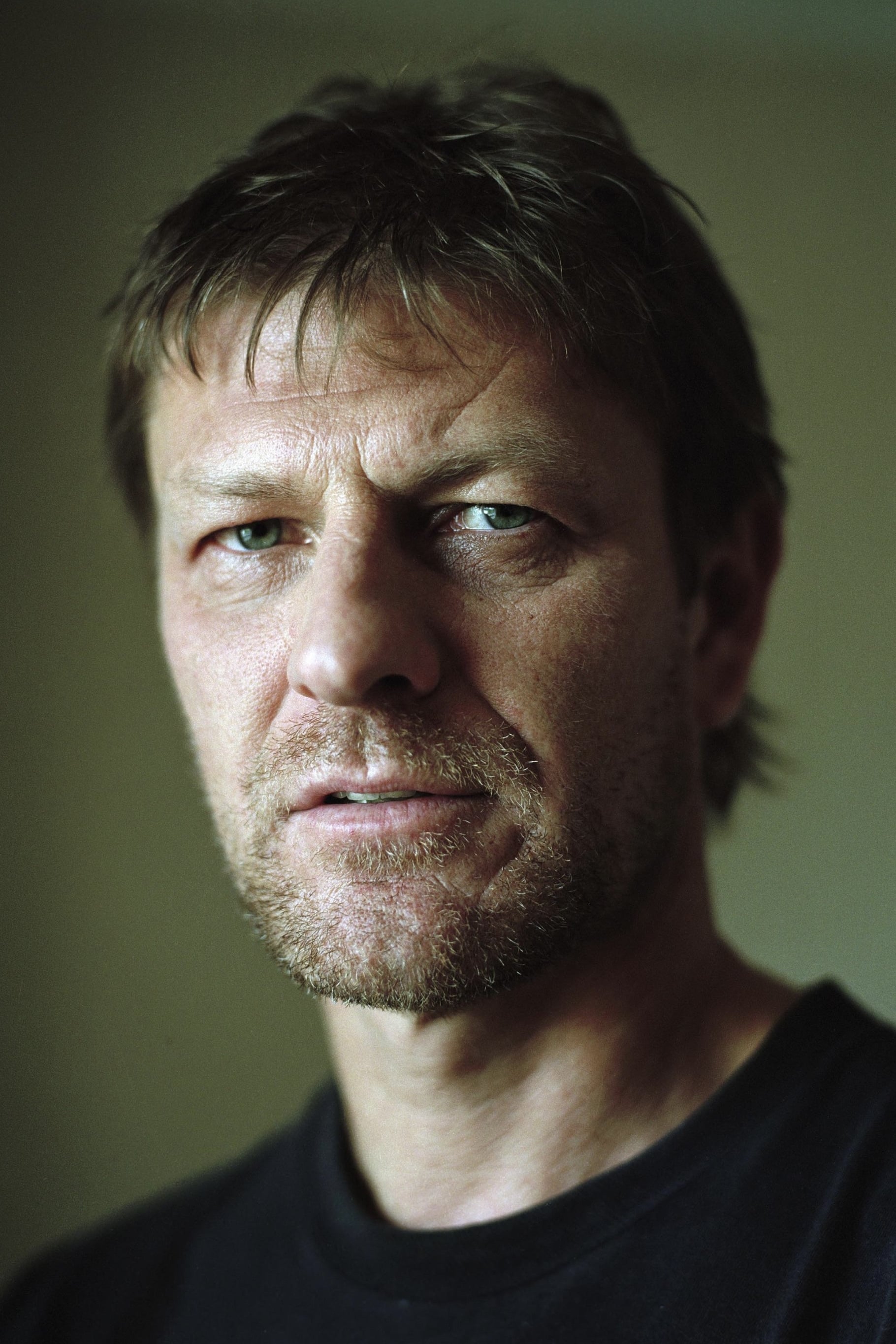
Giancarlo Giuseppe Alessandro Esposito (born April 26, 1958) is an American actor. He is known for portraying Gus Fring in the AMC crime drama series Breaking Bad from 2009 to 2011 and its prequel series Better Call Saul from 2017 to 2022. He won the Critics' Choice Television Award for Best Supporting Actor in a Drama Series twice for this role. He earned three nominations for the Primetime Emmy Award for Outstanding Supporting Actor in a Drama Series. His other television roles include federal agent Mike Giardello in the NBC series Homicide: Life on the Street (1998–1999), Sidney Glass / Magic Mirror in the ABC fantasy series Once Upon a Time (2011–2017), Tom Neville in the NBC series Revolution (2012–2014), Dr. Edward Ruskins in the Netflix series Dear White People (2017–2021), Stan Edgar in the Amazon series The Boys (2019–present) and The Boys Presents: Diabolical (2022), and Moff Gideon in the Disney+ series The Mandalorian (2019–2023), the lattermost of which earned him two Primetime Emmy Award nominations. He also portrayed Adam Clayton Powell Jr. in the MGM+ series Godfather of Harlem (2019–present), acted in the HBO drama series Westworld (2016), and starred in the Netflix television series Kaleidoscope (2023), The Gentlemen (2024), and The Residence (2025). He is also known for his collaboration with Spike Lee, acting in several of his films, such as School Daze (1988), Do the Right Thing (1989), Mo' Better Blues (1990), and Malcolm X (1992). His other major films include Taps (1981), King of New York (1990), Bob Roberts (1992), Fresh (1994), The Usual Suspects (1995), Ali (2001), Monkeybone (2001), Last Holiday (2006), Rabbit Hole (2010), Okja (2017), Megalopolis (2024), MaXXXine (2024), and Captain America: Brave New World (2025). He voiced Akela in the live-action remake of The Jungle Book (2016). Description above from the Wikipedia article Giancarlo Esposito, licensed under CC-BY-SA, full list of contributors on Wikipedia.
Giancarlo Esposito

Baby Boomers
for Baby Boomers in Best by Generation
Suggested by gustavosoaresdemorales

The Strauss–Howe generational theory, devised by William Strauss and Neil Howe, describes a theorized recurring generation cycle in American history and Western history. According to the theory, historical events are associated with recurring generational personas (archetypes). Each generational persona unleashes a new era (called a turning) lasting around 20–25 years, in which a new social, political, and economic climate (mood) exists. An average life is 80 years and consists of four periods of ~20–22 years Childhood → Young adult → Midlife → Elderhood A generation is an aggregate of people born every ~20–22 years Baby Boomers → Gen X → Millennials → Homelanders Each generation experiences "four turnings" every ~80–90 years High → Awakening → Unraveling → Crisis A generation is considered "dominant" or "recessive" according to the turning experienced as young adults. But as a youth generation comes of age and defines its collective persona an opposing generational archetype is in its midlife peak of power. Dominant: independent behavior + attitudes in defining an era Recessive: dependent role in defining an era https://en.wikipedia.org/wiki/Strauss%E2%80%93Howe_generational_theory