Died at 80
male
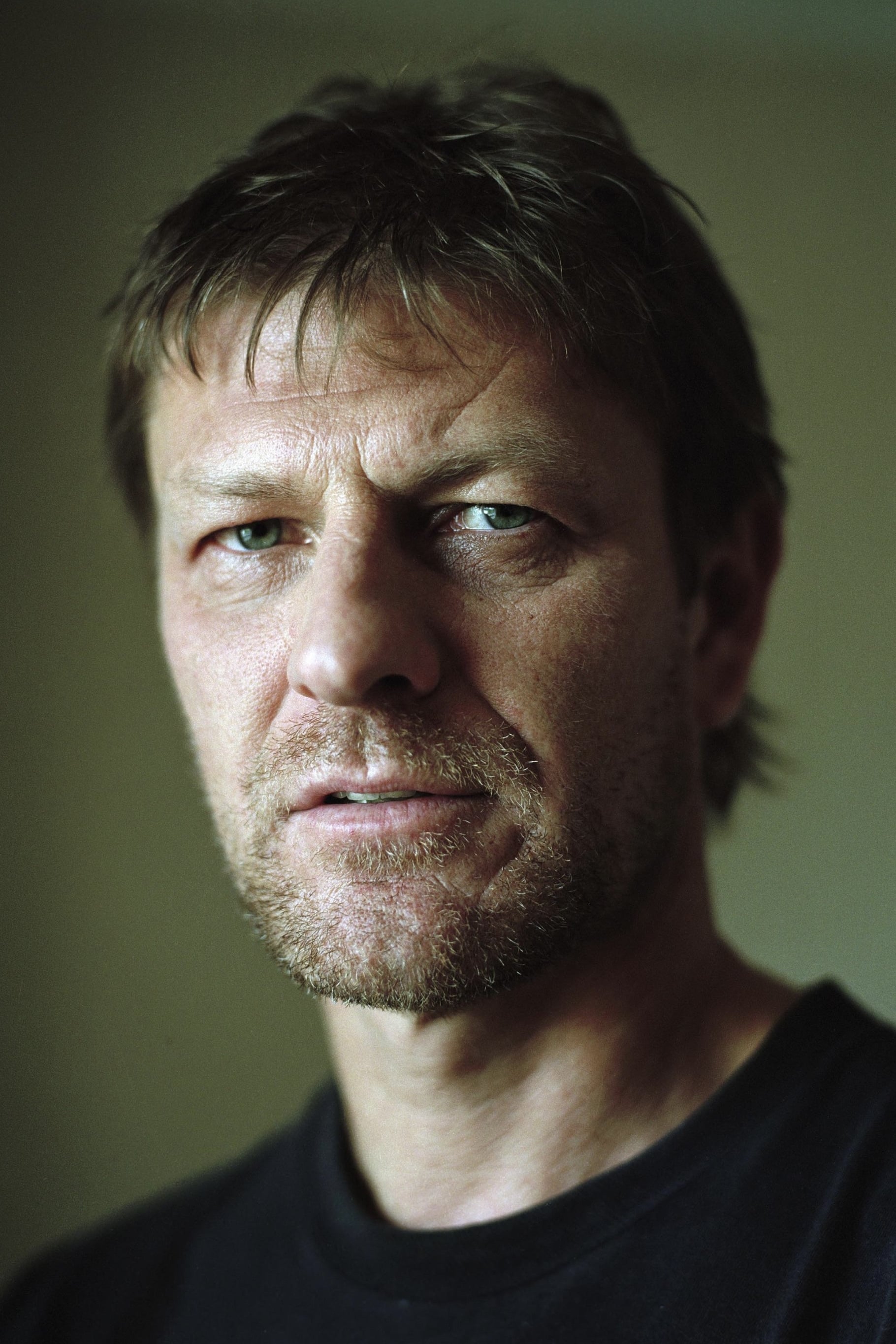
David Keith Lynch (January 20, 1946 – January 16, 2025) was an American filmmaker, visual artist, musician, and actor. Lynch received critical acclaim for his films, which are often distinguished by their surrealist, dreamlike qualities. In his 58-year career, he was awarded numerous accolades, including the Golden Lion for Lifetime Achievement in 2006 and an Honorary Academy Award in 2019. In 2007, a panel of critics convened by The Guardian announced that "after all the discussion, no one could fault the conclusion that David Lynch is the most important filmmaker of the current era." Lynch studied painting before he began making short films in the late 1960s. His first feature-length film was the independent surrealist film Eraserhead (1977), which saw success as a midnight movie. He was nominated for the Academy Award for Best Director for the biographical drama The Elephant Man (1980) and the mystery films Blue Velvet (1986) and Mulholland Drive (2001). His romantic crime drama Wild at Heart (1990) won the Palme d'Or at the Cannes Film Festival. He also directed the space opera adaptation Dune (1984), the surrealist neo-noir Lost Highway (1997), the biographical drama The Straight Story (1999), and the experimental film Inland Empire (2006). Lynch and Mark Frost created the ABC series Twin Peaks (1990–91), for which Lynch was nominated for two Primetime Emmy Awards for Outstanding Directing for a Drama Series and Outstanding Writing for a Drama Series. Lynch co-wrote and directed its film prequel, Twin Peaks: Fire Walk with Me (1992), and its limited series revival (2017). He has also worked as an actor, including his portrayals of FBI agent Gordon Cole in Twin Peaks and director John Ford in Steven Spielberg's The Fabelmans (2022), as well as guest roles in TV series such as The Cleveland Show (2010–13), Louie (2012), and Robot Chicken (2020, 2022). Lynch's other artistic endeavours included his work as a musician, encompassing the studio albums BlueBOB (2001), Crazy Clown Time (2011), and The Big Dream (2013), as well as painting and photography. He has written the books Images (1994), Catching the Big Fish (2006), and Room to Dream (2018). He has directed several music videos for artists such as Chris Isaak, X Japan, Moby, Interpol, Nine Inch Nails, and Donovan, and commercials for Calvin Klein, Dior, L'Oreal, Yves Saint Laurent, Gucci, and the New York City Department of Sanitation. A practitioner of Transcendental Meditation (TM), he founded the David Lynch Foundation, which seeks to fund the teaching of TM in schools and has since widened its scope to other at-risk populations, including the homeless, veterans, and refugees.
David Lynch

Baby Boomers
for Baby Boomers in Best by Generation
Suggested by gustavosoaresdemorales

The Strauss–Howe generational theory, devised by William Strauss and Neil Howe, describes a theorized recurring generation cycle in American history and Western history. According to the theory, historical events are associated with recurring generational personas (archetypes). Each generational persona unleashes a new era (called a turning) lasting around 20–25 years, in which a new social, political, and economic climate (mood) exists. An average life is 80 years and consists of four periods of ~20–22 years Childhood → Young adult → Midlife → Elderhood A generation is an aggregate of people born every ~20–22 years Baby Boomers → Gen X → Millennials → Homelanders Each generation experiences "four turnings" every ~80–90 years High → Awakening → Unraveling → Crisis A generation is considered "dominant" or "recessive" according to the turning experienced as young adults. But as a youth generation comes of age and defines its collective persona an opposing generational archetype is in its midlife peak of power. Dominant: independent behavior + attitudes in defining an era Recessive: dependent role in defining an era https://en.wikipedia.org/wiki/Strauss%E2%80%93Howe_generational_theory