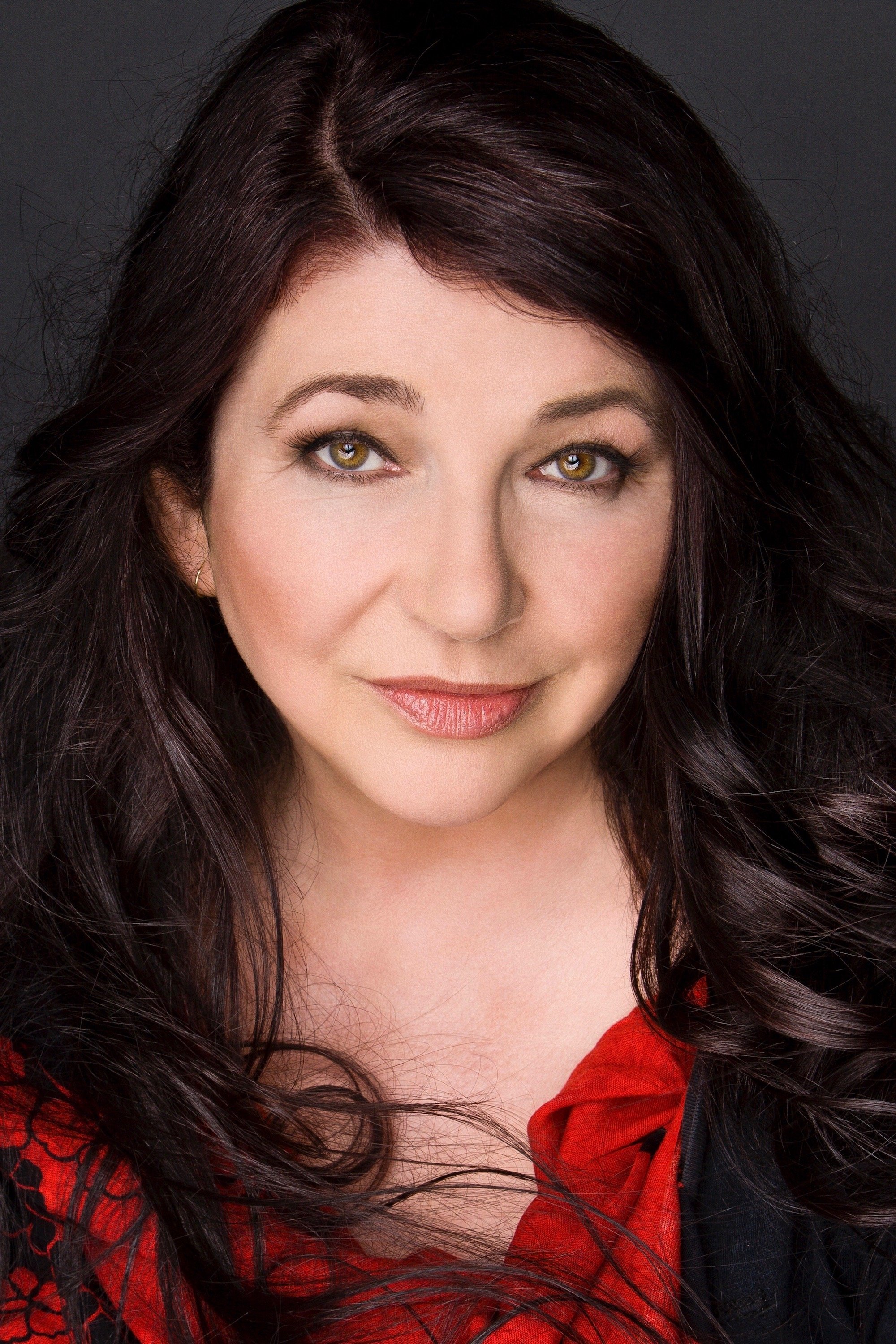
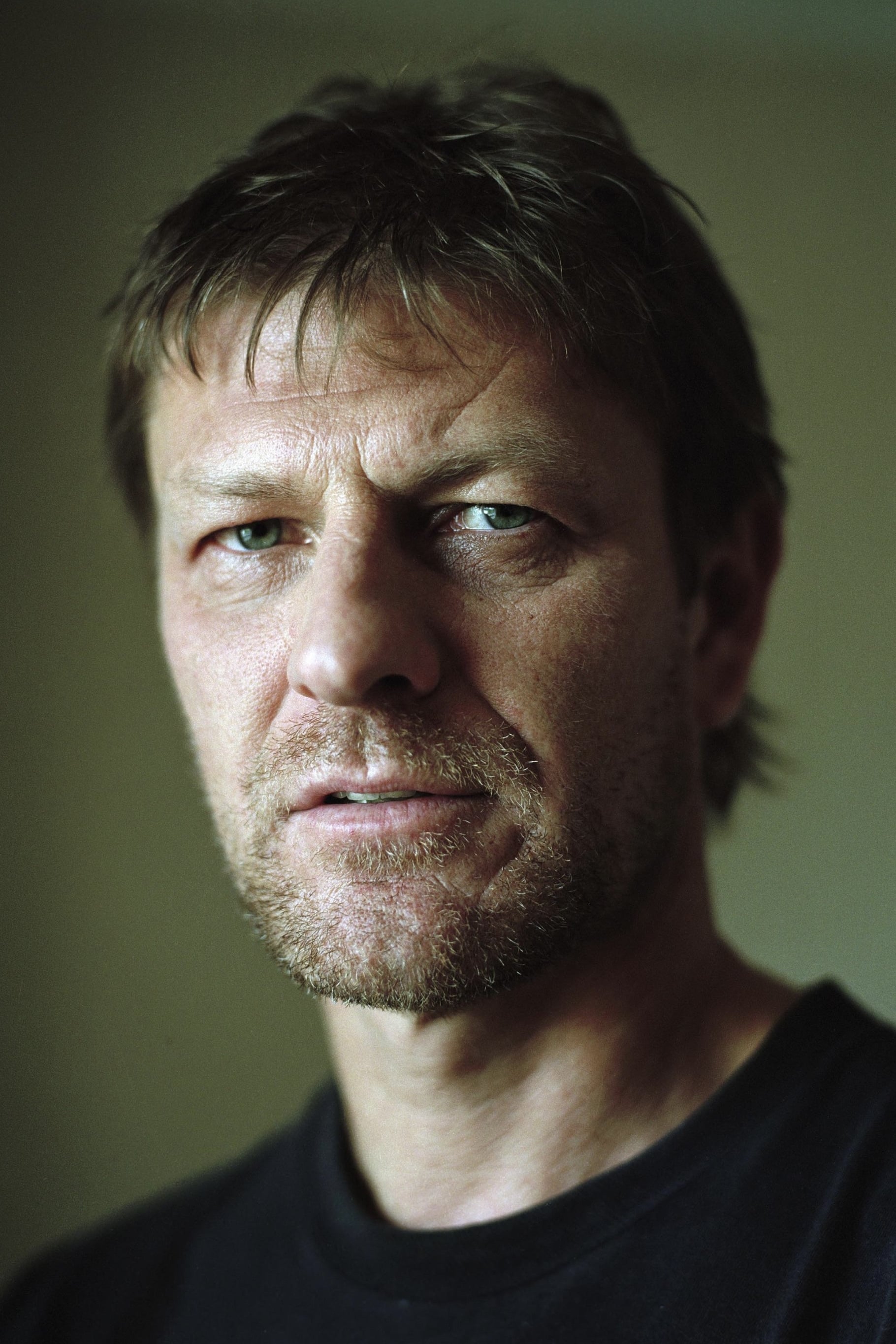
Age: 79
male
Walter Charles Dance OBE (born 10 October 1946) is an English actor, screenwriter, and director. He typically plays strict, authoritarian characters or villains. He is best known for his roles as Tywin Lannister in Game of Thrones, Kitchener in The King's Man, Martin Benson in Amazon Prime's The Widow, Lord Mountbatten in Netflix's The Crown (for which he was nominated for a Primetime Emmy Award for Outstanding Guest Actor in a Drama Series), Thomas in Underworld: Awakening and Underworld: Blood Wars, Harold Fillmore in Ghostbusters (2016), Mr. Bennet in Pride and Prejudice and Zombies, Frankenstein in Victor Frankenstein, Master Vampire in Dracula Untold, Conrad Knox in the Cinemax series Strike Back, Raymond Stockbridge in Gosford Park, one-eyed hitman Benedict in Last Action Hero, Clemens in Alien³, Sardo Numpsa in The Golden Child, and Guy Perron in The Jewel in the Crown. He started his career on stage with the Royal Shakespeare Company (RSC) before appearing in film and television. For his services to drama, he was appointed an Officer of the Order of the British Empire (OBE) by Queen Elizabeth II in 2006. He made his directorial film debut with the drama film Ladies in Lavender (2004), which he also wrote and executive produced.
Charles Dance

Baby Boomers
for Baby Boomers in Best by Generation
Suggested by gustavosoaresdemorales

The Strauss–Howe generational theory, devised by William Strauss and Neil Howe, describes a theorized recurring generation cycle in American history and Western history. According to the theory, historical events are associated with recurring generational personas (archetypes). Each generational persona unleashes a new era (called a turning) lasting around 20–25 years, in which a new social, political, and economic climate (mood) exists. An average life is 80 years and consists of four periods of ~20–22 years Childhood → Young adult → Midlife → Elderhood A generation is an aggregate of people born every ~20–22 years Baby Boomers → Gen X → Millennials → Homelanders Each generation experiences "four turnings" every ~80–90 years High → Awakening → Unraveling → Crisis A generation is considered "dominant" or "recessive" according to the turning experienced as young adults. But as a youth generation comes of age and defines its collective persona an opposing generational archetype is in its midlife peak of power. Dominant: independent behavior + attitudes in defining an era Recessive: dependent role in defining an era https://en.wikipedia.org/wiki/Strauss%E2%80%93Howe_generational_theory