Age: 65
male
Aaron Benjamin Sorkin (born June 9, 1961) is an American screenwriter, playwright and film director. Born in New York City, he developed a passion for writing early on. As a writer for stage, television, and film, Sorkin is recognised for his trademark fast-paced dialogue and extended monologues, complemented by frequent use of the "walk and talk" storytelling technique. Sorkin has earned numerous accolades, including an Academy Award, a BAFTA Award, five Primetime Emmy Awards, and three Golden Globes. Sorkin rose to prominence as a writer-creator and showrunner of the television series Sports Night (1998–2000), The West Wing (1999–2006), Studio 60 on the Sunset Strip (2006–07), and The Newsroom (2012–14). He is also known for his work on Broadway, including the plays A Few Good Men (1989), The Farnsworth Invention (2007), To Kill a Mockingbird (2018), and the revival of Lerner and Loewe's musical Camelot (2023). He wrote the film screenplays for A Few Good Men (1992), The American President (1995), and several biopics, including Charlie Wilson's War (2007), Moneyball (2011), and Steve Jobs (2015). For writing The Social Network (2010), he won the Academy Award for Best Adapted Screenplay. He made his directorial film debut with Molly's Game (2017), followed by The Trial of the Chicago 7 (2020) and Being the Ricardos (2021). Description above from the Wikipedia article Aaron Sorkin, licensed under CC-BY-SA, full list of contributors on Wikipedia.
Aaron Sorkin

Writer
for Writer in Behind the Bass: The Gary Thain Story
Suggested by kamsismith
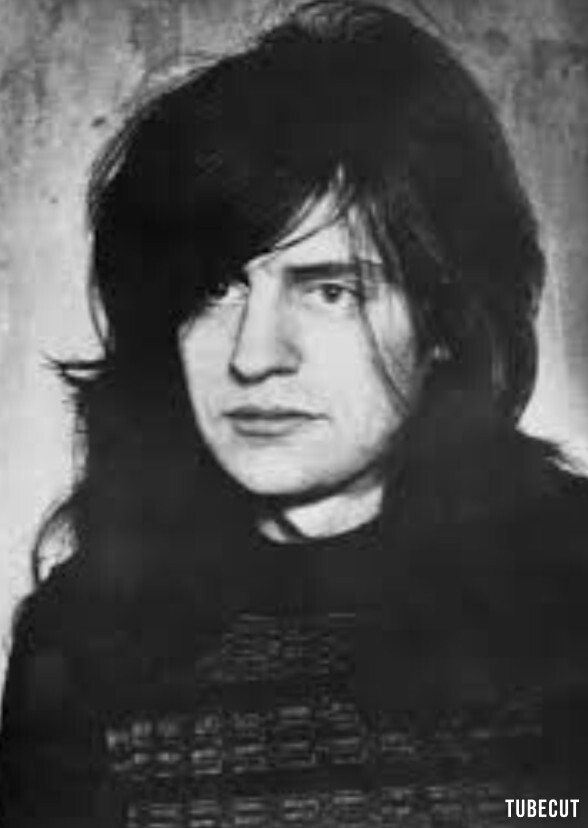
In the vibrant but modest music scene of Christchurch, New Zealand, a young Gary Thain discovers his deep connection to the bass guitar. Fueled by raw talent and a restless ambition, Gary's journey takes him halfway across the world to England, where he becomes the heartbeat of Uriah Heep, one of the most iconic rock bands of the 1970s. The film explores Gary's creative genius, from crafting unforgettable basslines on legendary tracks like Stealin’ and Easy Livin’ to the electric energy he brought to every performance. At the same time, it delves into his struggles with the grueling demands of life on the road, personal insecurities, and the era's pervasive drug culture. Through a mix of euphoric highs—like headlining massive venues and earning the adoration of fans worldwide—and harrowing lows, including a near-fatal onstage electrocution and worsening health, Gary’s story is both a celebration of a musical prodigy and a poignant reminder of the human cost of rock stardom.