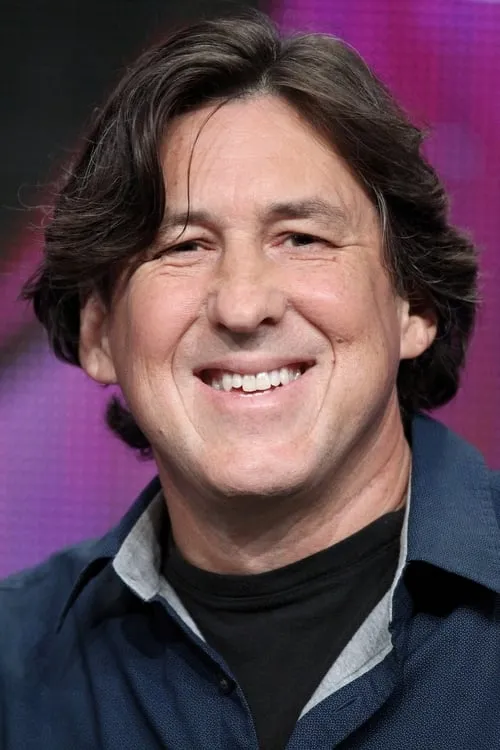
Age: 65
male
Todd Haynes (/heɪnz/; born January 2, 1961; Los Angeles) is an American filmmaker. His films span four decades with themes examining the personalities of well-known musicians, dysfunctional and dystopian societies, and blurred gender roles. Haynes first gained public attention with his controversial short film Superstar: The Karen Carpenter Story (1987), which chronicles singer Karen Carpenter's life and death, using Barbie dolls as actors. Superstar became a cult classic. Haynes's feature directorial debut, Poison (1991), a provocative exploration of AIDS-era queer perceptions and subversions, established him as a figure of a new transgressive cinema. Poison won the Sundance Film Festival's Grand Jury Prize and is regarded as a seminal work of New Queer Cinema. Haynes received further acclaim for his second feature film, Safe (1995), a symbolic portrait of a housewife who develops multiple chemical sensitivity. Safe was later voted the best film of the 1990s by The Village Voice Film Poll. His next feature, Velvet Goldmine (1998), is a tribute to the 1970s glam rock era. The film received the Special Jury Prize for Best Artistic Contribution at the 1998 Cannes Film Festival. Haynes gained acclaim and a measure of mainstream success with Far from Heaven (2002) earning his first Academy Award nomination for Best Original Screenplay. He continued to direct critically lauded films such as I'm Not There (2007), Carol (2015), Wonderstruck (2017) and Dark Waters (2019). He directed his first feature-length documentary, The Velvet Underground (2021). Haynes directed and co-wrote the HBO mini-series Mildred Pierce (2011) for which he was nominated for three Primetime Emmy Awards.
Todd Haynes

Director
for Director in Behind the Bass: The Gary Thain Story
Suggested by kamsismith

In the vibrant but modest music scene of Christchurch, New Zealand, a young Gary Thain discovers his deep connection to the bass guitar. Fueled by raw talent and a restless ambition, Gary's journey takes him halfway across the world to England, where he becomes the heartbeat of Uriah Heep, one of the most iconic rock bands of the 1970s. The film explores Gary's creative genius, from crafting unforgettable basslines on legendary tracks like Stealin’ and Easy Livin’ to the electric energy he brought to every performance. At the same time, it delves into his struggles with the grueling demands of life on the road, personal insecurities, and the era's pervasive drug culture. Through a mix of euphoric highs—like headlining massive venues and earning the adoration of fans worldwide—and harrowing lows, including a near-fatal onstage electrocution and worsening health, Gary’s story is both a celebration of a musical prodigy and a poignant reminder of the human cost of rock stardom.