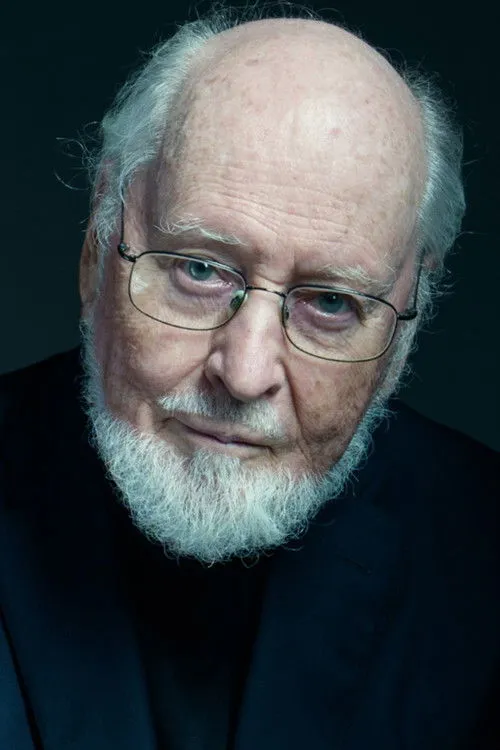
Died at 72
male
James Roy Horner (August 14, 1953–June 22, 2015) was an American film composer and conductor. He worked on more than 160 film and television productions between 1978 and 2015. He was known for the integration of choral and electronic elements alongside traditional orchestrations and for his use of motifs associated with Celtic music. Horner won two Academy Awards for his musical composition to James Cameron's Titanic (1997), which became the best-selling orchestral film soundtrack of all time. He also wrote the score for the highest-grossing film of all time, Cameron's Avatar (2009). Horner's other Oscar-nominated scores were for Aliens (1986), An American Tail (1986), Field of Dreams (1989), Apollo 13 (1995), Braveheart (1995), A Beautiful Mind (2001), and House of Sand and Fog (2003). Horner's other notable scores include Star Trek II: The Wrath of Khan (1982), Willow (1988), The Land Before Time (1988), Glory (1989), The Rocketeer (1991), Legends of the Fall (1994), Jumanji (1995), Casper (1995), Balto (1995), The Mask of Zorro (1998), Deep Impact (1998), The Perfect Storm (2000), How the Grinch Stole Christmas (2000), Troy (2004), The New World (2005), The Legend of Zorro (2005), Apocalypto (2006), The Karate Kid (2010), and The Amazing Spider-Man (2012). Horner collaborated on multiple projects with directors including James Cameron, Don Bluth, Ron Howard, Joe Johnston, Edward Zwick, Walter Hill, Mel Gibson, Vadim Perelman, Jean-Jacques Annaud, Nicholas Meyer, Wolfgang Petersen, Martin Campbell, Phil Nibbelink, and Simon Wells; producers including Steven Spielberg, George Lucas, David Kirschner, Brian Grazer, Jon Landau, and Lawrence Gordon; and songwriters including Will Jennings, Barry Mann, and Cynthia Weil. Adding to his two Academy Awards wins, Horner also won six Grammy Awards, two Golden Globes, and was nominated for three BAFTA Awards. Horner, who was an avid pilot, was killed in a single-fatality crash while flying his Short Tucano turboprop aircraft. He was 61 years old. The scores for his final three films, Southpaw (2015), The 33 (2015), and The Magnificent Seven (2016), were all completed and released posthumously. Description above from the Wikipedia article James Horner, licensed under CC-BY-SA, full list of contributors on Wikipedia.
James Horner

Composer
for Composer in Batman: The World's Greatest Detective
Suggested by jtnolan
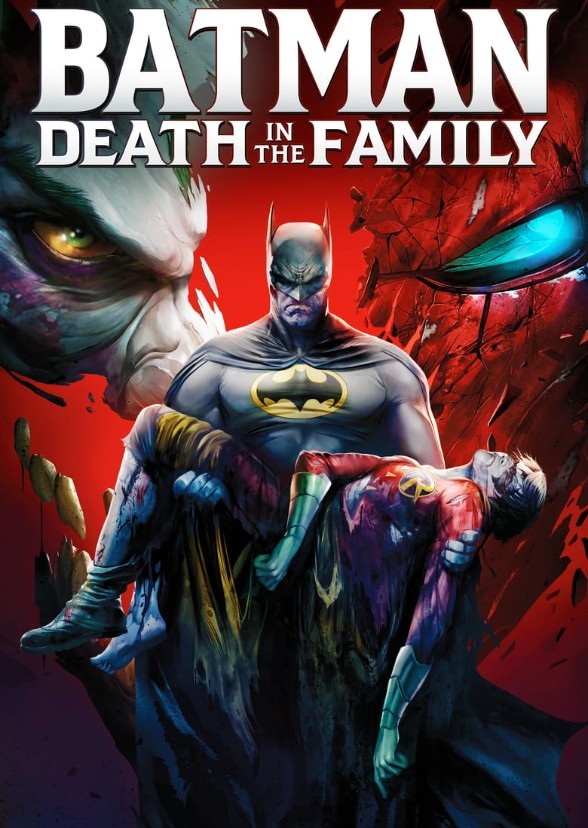
The movie opens with a montage of Gotham City at night, showing the city's dark and crime-ridden streets. As the camera pans over the city, we hear the voice of Commissioner James Gordon speaking over the radio, recounting a string of robberies that have been plaguing the city. Suddenly, the radio crackles to life with a report of a break-in at Wayne Manor. We see the silhouette of a figure in a red hooded jacket sneaking through the mansion, stealing valuable items and causing destruction wherever he goes. As the figure makes his escape, we see the dark silhouette of Batman swinging through the city, chasing after the thief. The two engage in a high-stakes chase through the streets of Gotham, with Batman narrowly avoiding the Red Hood's traps and gadgets. As the chase comes to a climax, Batman finally corners the Red Hood on the rooftop of a skyscraper. The two engage in a fierce fight, with the Red Hood displaying incredible agility and strength. But just as it seems that the city is safe, we see the silhouette of another figure in a dark and ominous knight's armor standing on a nearby rooftop. It is the Arkham Knight, a mysterious and dangerous new villain who has come to help Red Hood. As the Arkham Knight stares down at Batman, we see the Caped Crusader's determination to take down this new threat. The movie ends with a cliffhanger, teasing the next installment in the Batman saga as the Arkham Knight stands ready to do battle with the World's Greatest Detective.