Age: 30
male
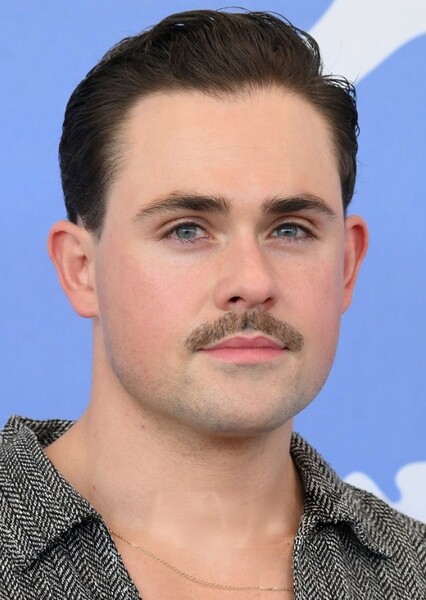
Timothée Hal Chalamet (born December 27, 1995) is an American and French actor. Known for his work in a diverse range of blockbusters and independent films, he is the recipient of numerous accolades, including an Actor Award, a Golden Globe Award, and two Critics' Choice Awards, in addition to nominations for four Academy Awards, six British Academy Film Awards, and a Grammy Award. His films as a leading actor have grossed over $2.3 billion worldwide. Chalamet began his career in television, appearing in the drama series Homeland. In 2014, while a student at Columbia University, he made his film debut in the comedy-drama Men, Women & Children and appeared in Christopher Nolan's science fiction film Interstellar. Chalamet came to international attention with the lead role of a lovestruck teenager in Luca Guadagnino's coming-of-age film Call Me by Your Name (2017), earning him his first Academy Award nomination for Best Actor and becoming the third-youngest nominee in the category. He gained further recognition for his supporting roles in Greta Gerwig's films Lady Bird (2017) and Little Women (2019), as well as for his portrayal of Nic Sheff in the biopic Beautiful Boy (2018). Chalamet began leading big-budget films, starring as Paul Atreides in Denis Villeneuve's Dune films (2021–2026) and Willy Wonka in the musical fantasy film Wonka (2023). He earned consecutive Academy Award nominations for his portrayal of Bob Dylan in the biographical drama A Complete Unknown (2024) and his starring role as a table tennis player in Josh Safdie's sports comedy film Marty Supreme (2025). The former also earned him the SAG Award for Best Actor, while the latter won him the Critics' Choice Award for Best Actor and the Golden Globe Award for Best Actor in a Motion Picture – Musical or Comedy, making him the youngest recipient of each award. On stage, Chalamet starred in John Patrick Shanley's autobiographical play Prodigal Son in 2016, for which he won a Lucille Lortel Award and gained a nomination for a Drama League Award. Off-screen, he has been labelled as a sex symbol and a fashion icon. Description above from the Wikipedia article Timothée Chalamet, licensed under CC-BY-SA, full list of contributors on Wikipedia.
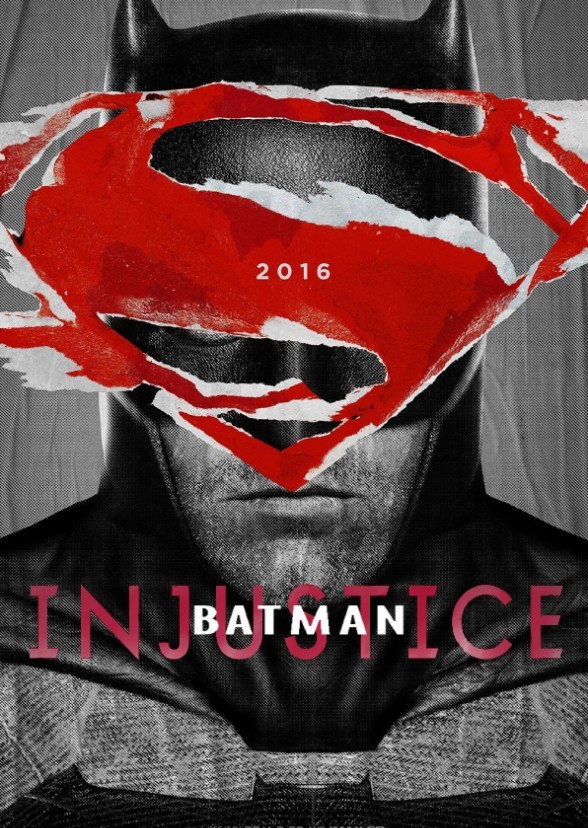
Following the rise of the new Justice League, a mission in Lagos marks a turning point for the world’s relationship with its heroes. Batman, Black Canary, Nightwing, and Zatanna confront Bane and his network, but the situation spirals out of control when Zatanna attempts to magically contain a massive explosion. Though lives are saved, civilian casualties and destruction ignite global outrage. Governments begin demanding accountability for superpowered individuals operating without oversight. In the wake of the incident, General Sam Lane formally presents the Sokovia Accords to the Justice League, proposing that the team operate under United Nations supervision. The proposal fractures the League from within. Clark Kent, weighed down by years of collateral damage, public fear, and the legacy of Krypton, supports the Accords, believing regulation is necessary to prevent greater harm. Bruce Wayne, shaped by Gotham and his long distrust of institutions, fiercely opposes them, convinced political control will corrupt moral responsibility. The divide deepens after the death of Selina Kyle, whose loss hits Bruce personally and hardens his resolve. Alfred Pennyworth, concerned that Bruce is letting grief dictate his choices, urges him to remember why he became Batman in the first place, while Commissioner Gordon, caught between loyalty to Batman and pressure from international authorities, quietly warns Bruce that the world is preparing to treat vigilantes as criminals. Unbeknownst to the League, Max Lord is manipulating events from the shadows. Blaming the Justice League for global instability, he sets out to destroy them from within. His plan hinges on exploiting their greatest strength—and weakness—by using red kryptonite to destabilize Superman emotionally and publicly turn opinion against him. As tensions escalate, Jason Todd, long thought lost, resurfaces as a dangerous, manipulated operative, his actions used to further fracture trust within the League. Green Lantern Hal Jordan, seeking justice for an attack tied to Jason on the Ferris Company, aligns himself with Clark’s side of the conflict. Meanwhile, Bruce gathers allies who oppose the Accords: Nightwing, Black Canary (even though she first alignments herself with superman, she changes to team bat), Green Arrow, Zatanna and Ryan Choi (the Atom). Clark, believing order is the only way forward, assembles his own faction with Steel, Red Tornado, and Hal Jordan. During a brief encounter in Central City, both sides cross paths with a young, powerful metahuman, Barry Allen, whose raw speed and optimism draw him into the conflict before he fully understands its stakes. The ideological rift explodes into a full-scale confrontation when both factions collide, turning hero against hero. The battle leaves lasting consequences, including Steel’s devastating fall, shocking both sides and forcing them to confront the real cost of their choices. Amid the chaos, loyalties blur, and lines are crossed that cannot be undone. Bruce uncovers Max Lord’s manipulation too late to prevent the final rupture. The conflict culminates in a brutal, deeply personal confrontation between Batman and Superman, with Jason Todd at the center of the truth that finally comes to light. Though Max Lord is exposed and defeated, his goal is achieved: the Justice League is broken. In the aftermath, the Accords are enforced. Several heroes are imprisoned or forced into hiding. With help from Alfred, Gordon, and a handful of loyal allies, Batman orchestrates the quiet liberation of the captured heroes, sending them underground. Clark, burdened by guilt, remains within the system, believing he can change it from the inside.