Age: 54
female
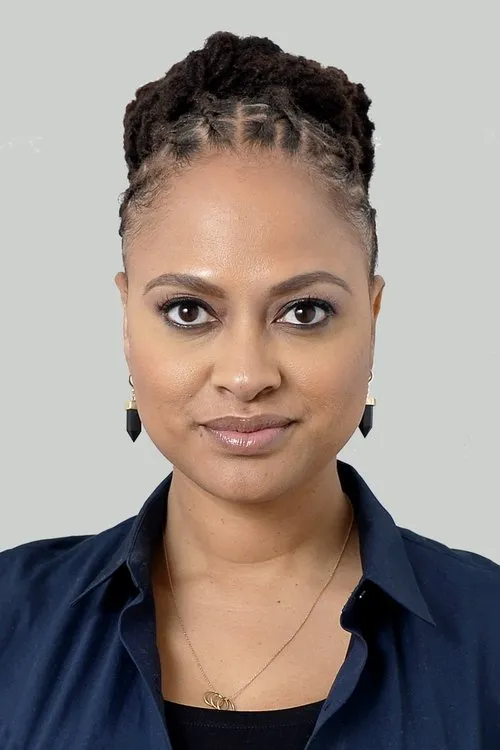
Ava Marie DuVernay (/ˌdjuːvərˈneɪ/; born August 24, 1972) is an American filmmaker, screenwriter, and producer. She is a recipient of two Primetime Emmy Awards, two NAACP Image Awards, a BAFTA Film Award, and a BAFTA TV Award, as well as a nominee for an Academy Award and a Golden Globe. In 2011, she founded her independent distribution company ARRAY. After making her directorial debut with I Will Follow (2010), DuVernay won the directing award in the U.S. dramatic competition at the 2012 Sundance Film Festival for her second feature film, Middle of Nowhere, becoming the first black woman to win the award. For her work on Selma (2014), a biopic about Martin Luther King Jr., DuVernay became the first African-American woman to be nominated for a Golden Globe Award for Best Director; the film went on to be nominated for the Academy Award for Best Picture. Her other film credits include the Academy Award-nominated Netflix documentary 13th (2016) and the Disney fantasy film A Wrinkle in Time (2018), the latter making her the first African-American woman to direct a film with a $100 million budget. In 2023, she directed the biographical film Origin based on Isabel Wilkerson's book Caste: The Origins of Our Discontents (2020). DuVernay's television credits include the OWN drama series Queen Sugar (2016) and two Netflix drama limited series: When They See Us (2019), based on the 1989 Central Park jogger case, and Colin in Black & White (2021), based on the teenage years of NFL player Colin Kaepernick. In 2017, DuVernay was included on the annual Time 100 list of the most influential people in the world. In 2020, she was elected to the Academy of Motion Pictures Arts and Sciences board of governors as part of the directors branch. Description above from the Wikipedia article Ava DuVernay, licensed under CC-BY-SA, full list of contributors on Wikipedia.
Batgirl is the name of several fictional superheroes appearing in American comic books published by DC Comics, depicted as female counterparts to the superhero Batman. Although the character Betty Kane was introduced into publication in 1961 by Bill Finger and Sheldon Moldoff as Bat-Girl, she was replaced by Barbara Gordon in 1967, who later came to be identified as the iconic Batgirl. The character debuted in Detective Comics #359, titled "The Million Dollar Debut of Batgirl!" (January 1967) by writer Gardner Fox and artist Carmine Infantino, introduced as the daughter of police commissioner James Gordon. Batgirl operates in Gotham City, allying herself with Batman and the original Robin, Dick Grayson, along with other masked vigilantes. The character appeared regularly in Detective Comics, Batman Family, and several other books produced by DC until 1988. That year, Barbara Gordon appeared in Barbara Kesel's Batgirl Special #1, in which she retires from crime-fighting. She subsequently appeared in Alan Moore's graphic novel Batman: The Killing Joke where, in her civilian identity, she is shot by the Joker and left paraplegic. Although she is reimagined as the computer expert and information broker Oracle by editor Kim Yale and writer John Ostrander the following year, her paralysis sparked debate about the portrayal of women in comics, particularly violence depicted toward female characters.