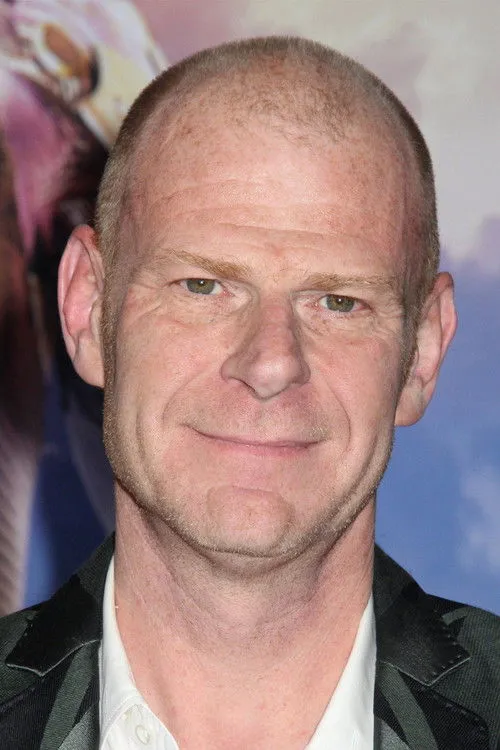
Age: 73
male
Daniel Robert Elfman (born May 29, 1953) is an American film composer, singer, songwriter, and musician. He came to prominence as the lead vocalist and primary songwriter for the new wave band Oingo Boingo in the early 1980s. Since scoring his first studio film in 1985, Elfman has garnered international recognition for composing over 100 feature film scores, as well as compositions for television, stage productions, and the concert hall. Elfman has frequently worked with directors Tim Burton, Sam Raimi, and Gus Van Sant, contributing music to nearly 20 Burton projects, including Pee-Wee's Big Adventure, Beetlejuice, Batman, Edward Scissorhands, Batman Returns, Mars Attacks!, Sleepy Hollow, Big Fish, and Alice in Wonderland, as well as scoring Raimi's Darkman, A Simple Plan, Spider-Man, Spider-Man 2, Oz the Great and Powerful, and Doctor Strange in the Multiverse of Madness, and Van Sant's Academy Award-winning films Good Will Hunting and Milk. He wrote music for all of the Men in Black and Fifty Shades of Grey franchise films, the songs and score for Henry Selick's animated musical The Nightmare Before Christmas, and the themes for the popular television series Desperate Housewives and The Simpsons. Among his honours are four Oscar nominations, three Emmy Awards, a Grammy, seven Saturn Awards for Best Music, the 2002 Richard Kirk Award, the 2015 Disney Legend Award, the Max Steiner Film Music Achievement Award in 2017, and the Society of Composers & Lyricists Lifetime Achievement Award in 2022. Description above from the Wikipedia article Danny Elfman, licensed under CC-BY-SA, full list of contributors on Wikipedia.
Batgirl is the name of several fictional superheroes appearing in American comic books published by DC Comics, depicted as female counterparts to the superhero Batman. Although the character Betty Kane was introduced into publication in 1961 by Bill Finger and Sheldon Moldoff as Bat-Girl, she was replaced by Barbara Gordon in 1967, who later came to be identified as the iconic Batgirl. The character debuted in Detective Comics #359, titled "The Million Dollar Debut of Batgirl!" (January 1967) by writer Gardner Fox and artist Carmine Infantino, introduced as the daughter of police commissioner James Gordon. Batgirl operates in Gotham City, allying herself with Batman and the original Robin, Dick Grayson, along with other masked vigilantes. The character appeared regularly in Detective Comics, Batman Family, and several other books produced by DC until 1988. That year, Barbara Gordon appeared in Barbara Kesel's Batgirl Special #1, in which she retires from crime-fighting. She subsequently appeared in Alan Moore's graphic novel Batman: The Killing Joke where, in her civilian identity, she is shot by the Joker and left paraplegic. Although she is reimagined as the computer expert and information broker Oracle by editor Kim Yale and writer John Ostrander the following year, her paralysis sparked debate about the portrayal of women in comics, particularly violence depicted toward female characters.