Age: 68
female
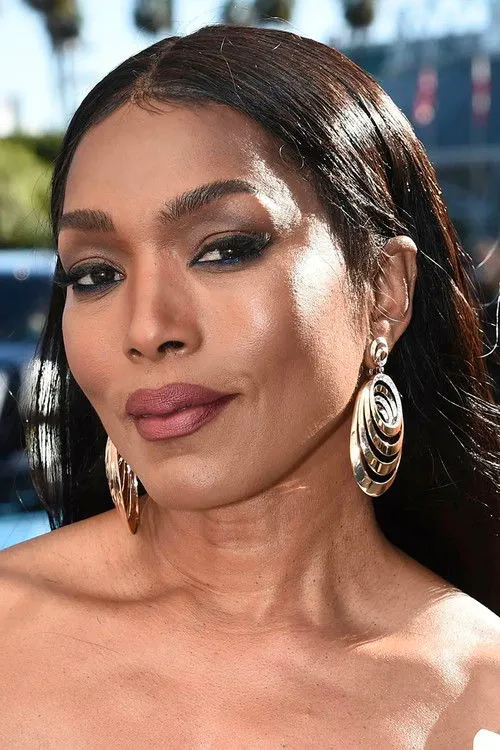
Angela Evelyn Bassett (born August 16, 1958) is an American actress. Known for her work in film and television since the 1980s, she has received various accolades, including a Primetime Emmy Award and two Golden Globe Awards, as well as nominations for two Academy Awards. In 2023, Time magazine named her one of the 100 most influential people in the world, and she received an Academy Honorary Award. Bassett had her breakthrough portraying singer Tina Turner in the biopic What's Love Got to Do with It (1993), which won her a Golden Globe Award and a nomination for the Academy Award for Best Actress. She had success starring in Boyz n the Hood (1991), Malcolm X (1992), Waiting to Exhale (1995), Vampire in Brooklyn (1995), How Stella Got Her Groove Back (1998), and Music of the Heart (1999). In the following decades, she took on supporting roles in the drama Notorious (2009) and the action films Green Lantern (2011), Olympus Has Fallen(2013), and London Has Fallen (2016). She also played Queen Ramonda in the Marvel Cinematic Universe films Black Panther (2018), Avengers: Endgame (2019), and Black Panther: Wakanda Forever (2022). For the latter, she won another Golden Globe and was nominated for the Academy Award for Best Supporting Actress. On television, Bassett has starred as Katherine Jackson in the miniseries The Jacksons: An American Dream (1992). Her portrayal of Rosa Parks in the television film The Rosa Parks Story (2002) gained her a nomination for an Emmy Award for Outstanding Lead Actress. Her performances in two seasons of the FX horror anthology series American Horror Story earned her nominations for an Emmy Award for Outstanding Supporting Actress in 2014 and 2015. In 2018, Bassett began producing and starring as an LAPD patrol sergeant, Athena Grant, in the Fox drama series 9-1-1. Description above from the Wikipedia article about Angela Bassett, licensed under CC-BY-SA, full list of contributors on Wikipedia.

An adored only child, Annie has until recently lived an idyllic life. She is inseparable from her beautiful mother, a powerful presence, who is the very centre of the little girl's existence. Loved and cherished, Annie grows and thrives within her mother's benign shadow. Looking back on her childhood, she reflects, "It was in such a paradise that I lived." When she turns twelve, however, Annie's life changes, in ways that are often mysterious to her. She begins to question the cultural assumptions of her island world; at school she instinctively rebels against authority; and most frighteningly, her mother, seeing Annie as a "young lady," ceases to be the source of unconditional adoration and takes on the new and unfamiliar guise of adversary. At the end of her school years, Annie decides to leave Antigua and her family, but not without a measure of sorrow, especially for the mother she once knew and never ceases to mourn. "For I could not be sure," she reflects, "whether for the rest of my life I would be able to tell when it was really my mother and when it was really her shadow standing between me and the rest of the world."