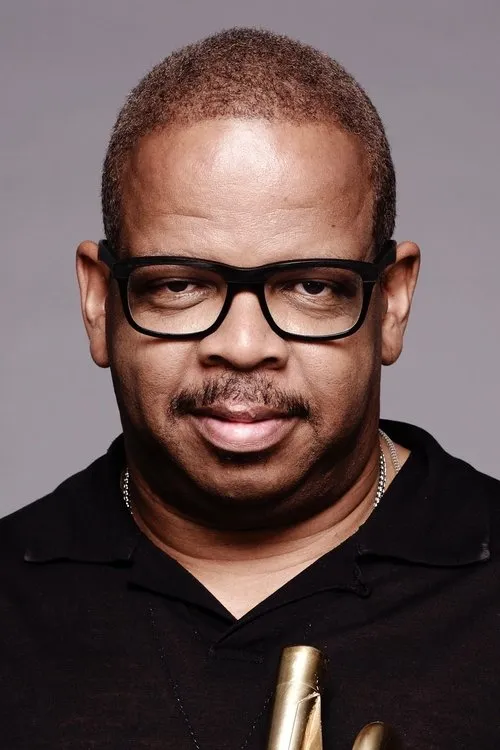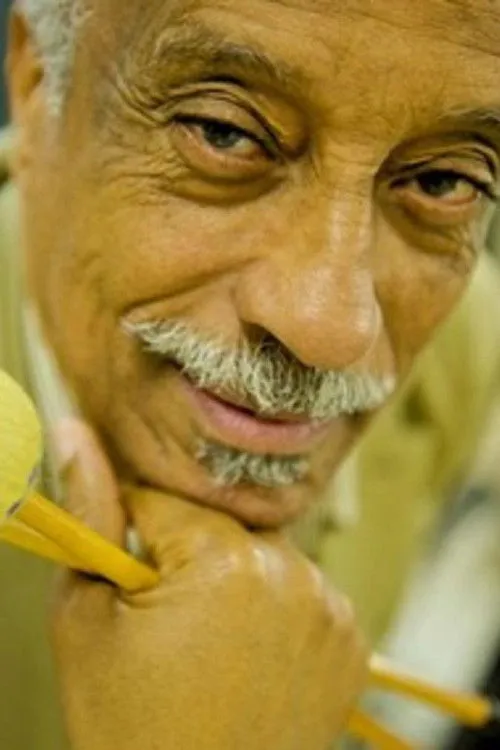
Age: 82
male
Ethiopian musician (piano, organ, vibraphone, and percussion), composer, and arranger Mulatu Astatke (the name is spelled Astatqé on his French releases) is a household name in his native country, where he is known as the father of Ethio-jazz, a unique blend of pop, modern jazz, traditional Ethiopian music, Latin rhythms, Caribbean reggae, and Afro-funk. After developing his sound in the U.S. with a pair of highly influential mid-'60s releases, he spent much of the '70s expanding the boundaries of Ethiopian music by collaborating both home and abroad with artists like Mahmoud Ahmed and Duke Ellington and releasing critically acclaimed music on Amha Eshete's Amha Records. His popularity enjoyed a renaissance in Western culture in the mid-2000s after his music was used in Jim Jarmusch's film Broken Flowers. Mulatu continued to evolve creatively well into the 2010s, and has maintained long-term collaborations with a number of acts, including Boston's Either/Orchestra, London band the Heliocentrics, and Australia's Black Jesus Experience. Mulatu's work brought a renewed focus on instrumentation and rhythm to Ethiopian pop music, shepherding in a golden age in that country's pop and jazz circles from 1968 to 1974. He went on to found a music school and open his own club, while staying active as an arranger, advisor, and DJ. In 2004 he met the Massachusetts-based Either/Orchestra and formed a long-running collaboration with the band. The inclusion of his songs on the soundtrack of Jim Jarmusch's 2005 film Broken Flowers introduced Mulatu to a whole new audience, and his increasing influence on Western music could be heard in hip-hop acts like Quantic, Nas, Madlib, and Kanye West, who have all sampled his music. - by Steve Leggett
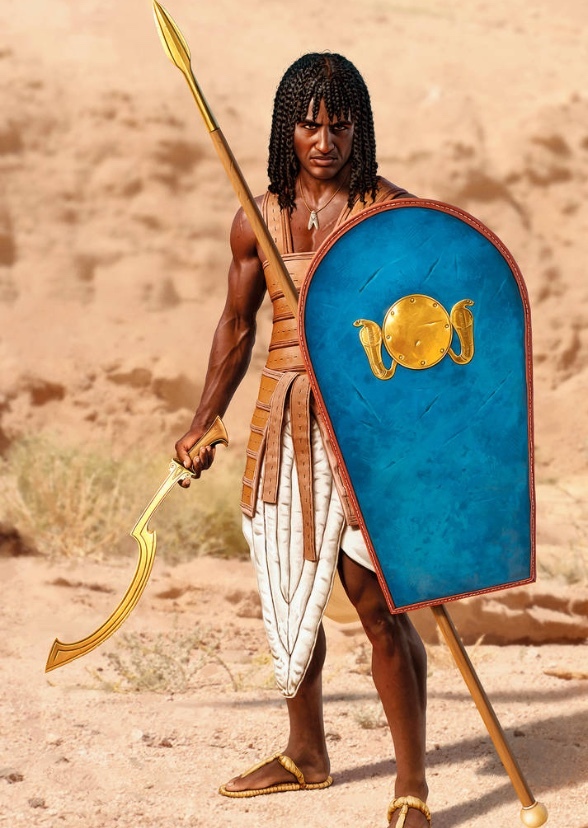
Take of two stories set in Ancient Egypt, the first 2100 BCE: surrounding a local hero, focused nomarch of Upper-Egypt The third nome: Nekhen, Ankhtifi, snatches fate into his own hands to save Egypt from the great mass famine that followed the tragic collapse of Old Kingdom. The second tells a tale around 2000 BCE, about a man named Mesehti an Ancient Egyptian nomarch overseeing the 13th nome of Upper-Egypt, stumbles upon a great challenge, having to protect, serve and support the surprising rise of Theban Rulers that followed conflict between Ankhtifi and local rulers of Thebes, the greatest challenge being to mainly protect the then Pharaoh: Mentuhotep I/Intef I.