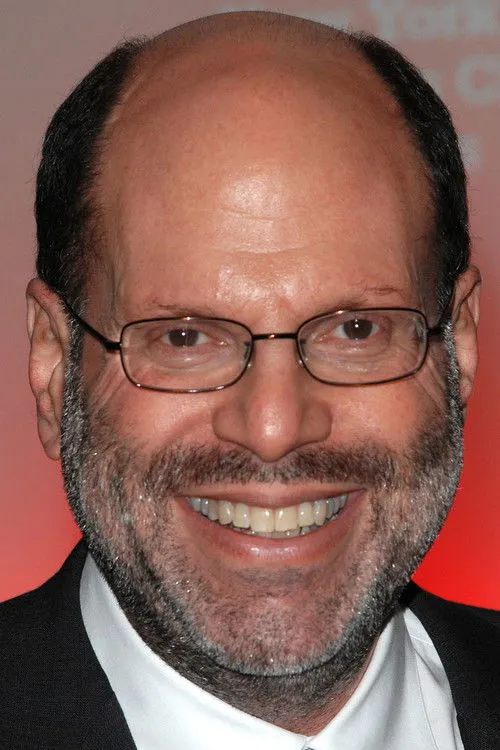
Age: 68
male
Scott Rudin (born July 14, 1958) is an American film and theatrical producer. He started working as an assistant to theater producer Kermit Bloomgarden at the age of sixteen. Later, he worked for producers Robert Whitehead and Emanuel Azenberg. Rudin ended up starting his own company after he took a job as a casting agent In lieu of attending college. In 1980, Rudin moved to Los Angeles, taking up employment at Edgar J. Scherick Associates, where he served as producer on a variety of films including I'm Dancing as Fast as I Can (1981), the NBC miniseries Little Gloria... Happy at Last (1982) and the Oscar-winning documentary He Makes Me Feel Like Dancin' (1983). Rudin later formed his own business, Scott Rudin Productions. His first film under that banner was Gillian Armstrong's Mrs. Soffel (1984). But, not long after, Rudin joined 20th Century-Fox as an executive producer. At Fox, he met Jonathan Dolgen, a higher-level executive, with whom he would be working once again at Paramount Pictures years later. Rudin swiftly rose through the ranks at Fox and became president of production by 1986 at the age of 29. His stint at the top of Fox was short lived though, and he soon left and entered into a producing deal with Paramount. In early 2021, The Hollywood Reporter published a story covering a long term pattern of abusive behavior from Rudin, based on statements from former employees. In the article, he was accused of physical abuse, including smashing a computer monitor on the hand of an assistant and throwing objects at employees. Following this, Rudin announced he would be stepping away from a number of film, television, and Broadway projects he was involved in. His business relationship with A24 was also ended during this time. Rudin lives in New York City with his husband John Barlow, a Broadway theatre publicist and former owner of Barlow/Hartman Public Relations.

Quote: "It was a tragedy about a family that was able to remain relatively unscathed or struggling with violence and corruption for generations. A stranger was the only one among them in the shadows, and he was the one who was able to bring them down." -A quote about a family that remained unscathed or struggled with violence and corruption for generations. Summary: In the lives of two families in rural America in the 1960s and 70s, the Milsaps and the Campbells. Both families have a dark history, but the Milsaps has remained relatively unscathed. The Campbells, however, have been struggling with violence and corruption for generations. When a ruthless killer strikes the area, the two families are forced to confront their dark secrets to survive. As the violence and corruption escalate, the stakes become higher and higher. In the end, the characters must face the consequences of their choices and the darkness that lies within themselves.


