Age: 65
male
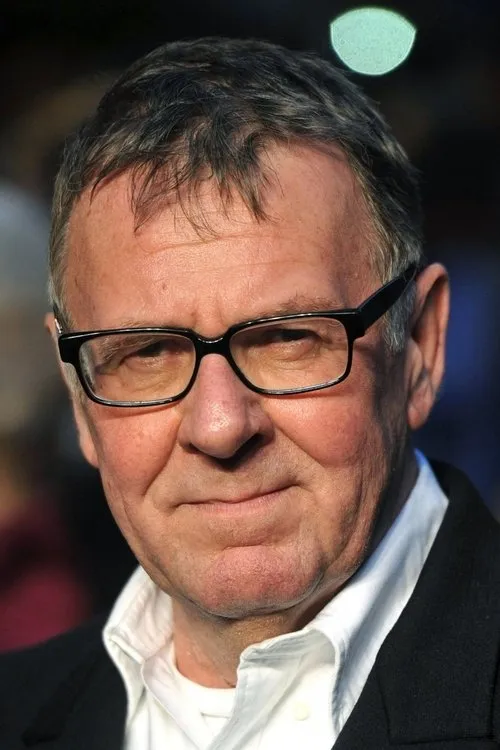
Jared Francis Harris (born August 24, 1961) is a British actor who has appeared in film, television, and theater. He is the son of the late Irish actor Richard Harris and the Welsh actress Elizabeth Rees-Williams. Harris was born in Hammersmith, London, in 1961. He studied drama and literature at Duke University in North Carolina, and then went on to train at the Royal Central School of Speech and Drama in London. Harris made his film debut in 1989 with a small role in the film The Rachel Papers. He went on to appear in a number of films, including The Last of the Mohicans (1992), Natural Born Killers (1994), Smoke (1995), Happiness (1998), and How to Kill Your Neighbor's Dog (2000). In 2007, Harris began a recurring role as Lane Pryce in the 2007 AMC television series Mad Men and was received a Primetime Emmy Award for Outstanding Supporting Actor for his performance. In 2019, he won the British Academy Television Award for Best Actor for his performance as Valery Legasov in the HBO miniseries Chernobyl. Harris has also had notable roles in television series such as Fringe (2008), The Crown (2016), The Expanse (2015) and Foundation (2021). On stage, Harris has appeared in productions of The Crucible, The Cherry Orchard, and The Homecoming. He has also directed several stage productions, including The Glass Menagerie and The Birthday Party.
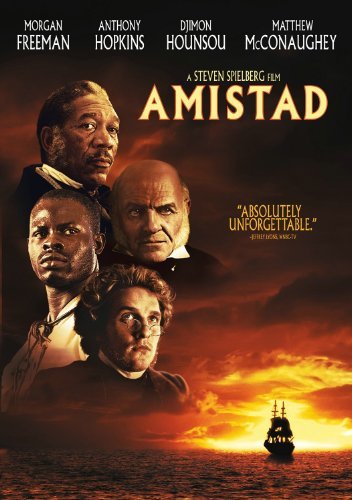
Amistad is the name of a slave ship traveling from Cuba to the U.S. in 1839. It is carrying a cargo of Africans who have been sold into slavery in Cuba, taken on board, and chained in the cargo hold of the ship. As the ship is crossing from Cuba to the U.S., Cinque, who was a tribal leader in Africa, leads a mutiny and takes over the ship. They continue to sail, hoping to find help when they land. Instead, when they reach the United States, they are imprisoned as runaway slaves. They don't speak a word of English, and it seems like they are doomed to die for killing their captors when an abolitionist lawyer decides to take their case, arguing that they were free citizens of another country and not slaves at all. The case finally gets to the Supreme Court, where John Quincy Adams makes an impassioned and eloquent plea for their release.