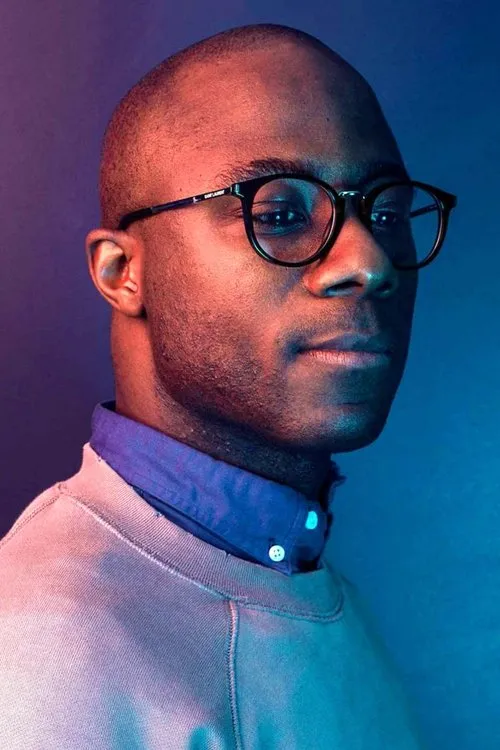
Age: 46
male
Barry Jenkins (born November 19, 1979) is an American filmmaker. After making his filmmaking debut with the short film My Josephine (2003), he directed his first feature film, Medicine for Melancholy (2008), for which he received an Independent Spirit Award nomination for Best First Feature. He is also a creative collaborator and a member of The Chopstars collective. Following an eight-year hiatus from feature filmmaking, Jenkins directed and co-wrote the LGBTQ-themed independent drama Moonlight (2016), which won numerous accolades, including the Academy Award for Best Picture. Jenkins received an Oscar nomination for Best Director and jointly won the Academy Award for Best Adapted Screenplay with Tarell Alvin McCraney. He became the fourth Black person nominated for Best Director and the second to direct a Best Picture winner. He released his third directorial feature If Beale Street Could Talk 2018, to critical praise and earned nominations for his screenplay at the Academy Awards and Golden Globes. He is also known for his work in television. In 2017, Jenkins directed "Chapter V" of the Netflix series Dear White People. In 2021, he created and directed the Amazon Video limited series The Underground Railroad, based on the novel of the same name. The series received a Primetime Emmy Award for Outstanding Directing for a Limited Series or Movie nomination and won a Peabody Award. In 2017, Jenkins was included on the annual Time 100 list of the most influential people in the world. Description above from the Wikipedia article Barry Jenkins, licensed under CC-BY-SA, full list of contributors on Wikipedia.
Barry Jenkins

Director
for Director in Amédé: The Song That Never Fades
Suggested by kamsismith
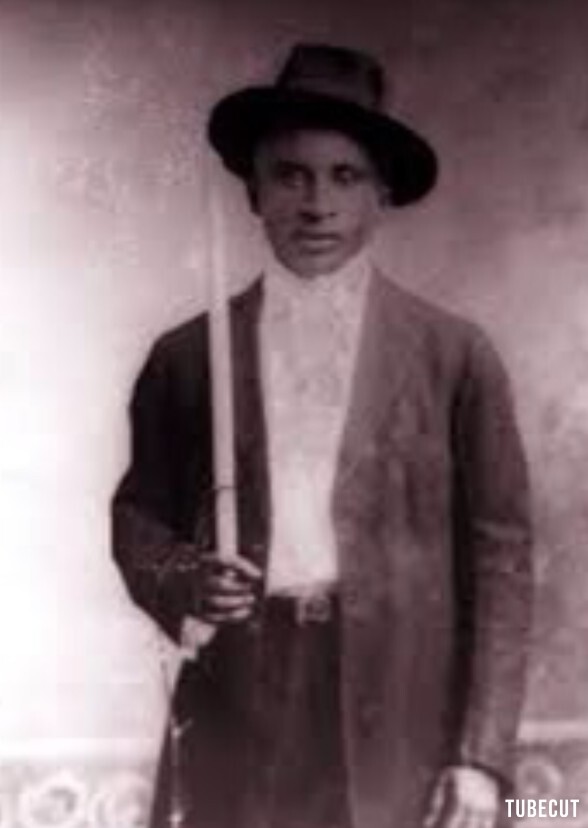
Set against the vibrant, troubled backdrop of early 20th-century Louisiana, Amédé: The Song That Never Fades brings to life the extraordinary yet tragic story of Amédé Ardoin, the trailblazing Creole accordionist who became a cornerstone of Cajun and Zydeco music. From his humble beginnings on the dusty backroads of the segregated South to the vibrant dance halls where his unparalleled talent ignited the hearts of all who heard him, Amédé's journey is one of resilience, creativity, and heartbreak. A visionary musician with a haunting falsetto voice, Amédé bridged divides with his music, defying racial boundaries in a time of deep prejudice. But genius comes at a cost. His daring collaborations with white musicians, like fiddler Dennis McGee, made him a target for racial violence. When his fame peaked, the pressures of an unforgiving society closed in, culminating in the brutal attack that left him institutionalized and silenced for the remainder of his life.