
Age: 36
female
Melissa Barrera Martínez (born 4 July 1990) is a Mexican actress, stage actress, singer-songwriter, producer, executive producer and activist. She began her career as the lead characters of Azteca's Mexican telenovelas as the humble and kind village girl Olvido Pérez in Siempre tuya Acapulco (2014) and as struggling hard working woman Mía González in Tanto amor (2015), then joining in as socialite Isabel Cantú in the third season of the Netflix original series Club de Cuervos (2017). Barrera transitioned to Hollywood in 2018, earning recognition playing the sexually liberated and free spirited vegan woman Lyn Hernandez in the Starz comedy-drama series Vida (2018–2020). For playing Sam Carpenter in the slasher films Scream (2022) and Scream VI (2023), as well as leading the horror-comedies as the former millitary nurse and drug addict Joey in Abigail and aspiring breast cancer survivor stage actress Laura Franco in Your Monster (both 2024), she established herself as a scream queen. She is a 3-time Imagen Award nominee, and her accolades include a Satellite Award nomination for playing hairstylist Vanessa Morales in the 2021 movie adaption of Lin-Manuel Miranda’s musical In the Heights. Description above from the Wikipedia article Melissa Barrera, licensed under CC-BY-SA, full list of contributors on Wikipedia.
Melissa Barrera

Lyra Dust
for Lyra Dust in Alexander D's RAVENNA
Suggested by alexanderarmstrong
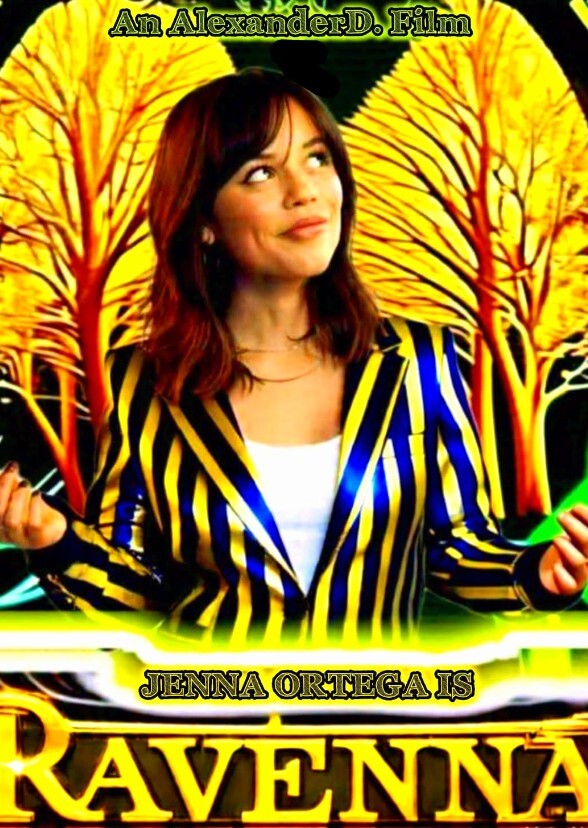
In the matriarchal society of Nexar, Ravenna, a entitled and manipulative woman, navigates a world where women hold power. She uses her charm and beauty to exploit men, but her world is turned upside down when she's confronted by a series of men who refuse to be intimidated or manipulated. As Ravenna's life spirals out of control, she's forced to confront the consequences of her actions and the toxic entitlement that has defined her life. Will she find a way to change, or will her refusal to adapt lead to her downfall? As in Nexar, women have historically held positions of power and authority, while men have been socialized to be more submissive and nurturing. This reversal of traditional gender roles has led to a unique cultural landscape.

