Age: 49
male
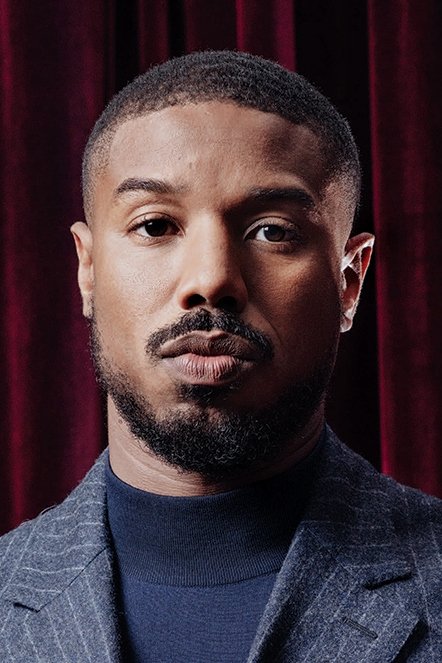
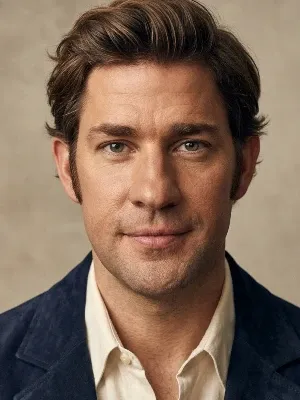
Michael Fassbender (German pronunciation:[ˈmɪçaːʔeːl 'fasbɛndɐ]; born 2 April 1977) is a German-Irish actor. His accolades include nominations for two Academy Awards, four British Academy Film Awards and three Golden Globe Awards. In 2020, he was listed at number nine on The Irish Times list of Ireland's greatest film actors. After studying at the Drama Centre London, Fassbender made his feature film debut in 300 (2006). Early roles include the HBO miniseries Band of Brothers (2001) and the Sky One fantasy drama Hex (2004–2005). He first came to prominence playing Bobby Sands in the drama Hunger (2008). Subsequent roles include the 2009 films Fish Tank and Inglourious Basterds, and the 2011 films Jane Eyre and A Dangerous Method. He gained mainstream success for playing Erik Lehnsherr / Magneto in the X-Men series, and David 8 and Walter One in Prometheus (2012), and its sequel, Alien: Covenant (2017). For his portrayal of a addict in Steve McQueen's drama Shame (2011), he won the Volpi Cup for Best Actor. His portrayals of Edwin Epps in the historical drama 12 Years a Slave (2013) and the title role in biographical drama Steve Jobs (2015), respectively, earned him nominations for the Academy Award for Best Supporting Actor and Best Actor. Following further roles in the films The Counselor (2013), Frank (2014), and Macbeth (2015), he took an eight-year hiatus, during which he began competing in auto racing. After driving for Proton Competition in the European Le Mans Series in 2023, Fassbender made a return to acting with the action films The Killer (2023) and Black Bag (2025). Married to Swedish actress Alicia Vikander since 2017, he has two children. Description above from the Wikipedia article Michael Fassbender, licensed under CC-BY-SA, full list of contributors on Wikipedia.
Michael Fassbender

Zebra
for Zebra in A World of Wildlife (TV Series)
Suggested by user_379055
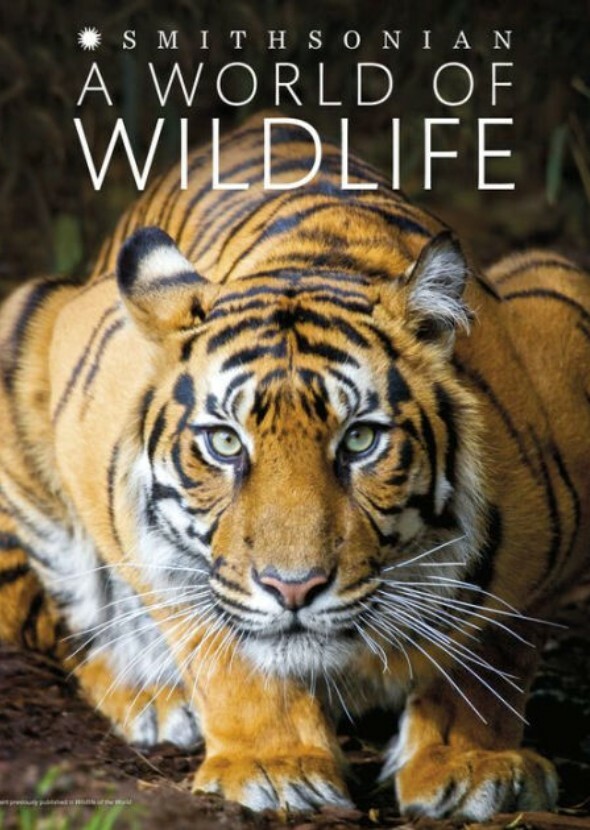
Wildlife refers to undomesticated animal species, but has come to include all organisms that grow or live wild in an area without being introduced by humans.[1] Wildlife was also synonymous to game: those birds and mammals that were hunted for sport. Wildlife can be found in all ecosystems. Deserts, plains, grasslands, woodlands, forests, and other areas, including the most developed urban areas, all have distinct forms of wildlife. While the term in popular culture usually refers to animals that are untouched by human factors, most scientists agree that much wildlife is affected by human activities.[2] Some wildlife threaten human safety, health, property, and quality of life. However, many wild animals, even the dangerous ones, have value to human beings. This value might be economic, educational, or emotional in nature.