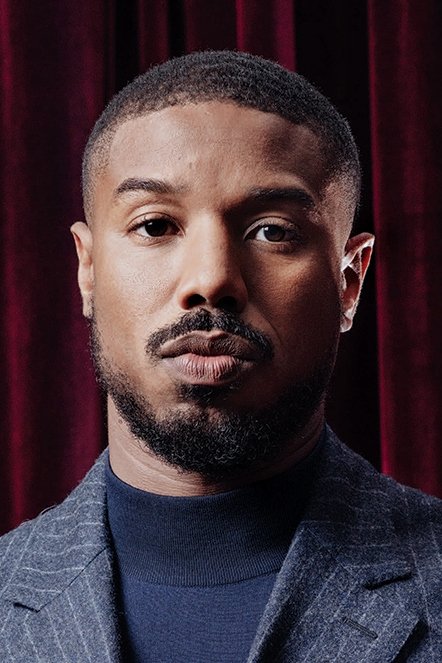
Age: 48
male
William Thomas Hader Jr. (born June 7, 1978) is an American actor, voice actor, comedian, writer and producer. He is the creator, producer, writer, director, and star of the HBO dark comedy series Barry (2018–2023), for which he has been nominated for eight Emmy Awards, winning two. Hader's initial success was for his eight-year stint (2005–2013) as a cast member on the long-running NBC variety series Saturday Night Live, for which he received four Primetime Emmy Award nominations and a Peabody Award. He became known for his impressions and especially for his work on the Weekend Update segments, in which he played Stefon Meyers, a flamboyant New York tour guide who recommends unusual nightclubs and parties with bizarre characters with unusual tastes. He is also the star and producer of the IFC mockumentary comedy series Documentary Now! (2015–present) which he co-created along with Fred Armisen and Seth Meyers. Hader has had supporting roles in the films You, Me and Dupree (2006), Hot Rod (2007), Superbad (2007), Forgetting Sarah Marshall (2008), Night at the Museum: Battle of the Smithsonian, (2009), Paul (2011), This Is 40 (2012), and 22 Jump Street (2014), as well as leading roles in The Skeleton Twins (2014), Trainwreck (2015), and as an adult Richie Tozier in It Chapter Two (2019). He also is known for his extensive work in voice-over, portraying both leading and supporting characters in films such as the Cloudy with a Chance of Meatballs franchise (2009–2013), Turbo (2013), Inside Out (2015), The BFG (2016), Power Rangers (2017), Toy Story 4 (2019) and Lightyear (2022).
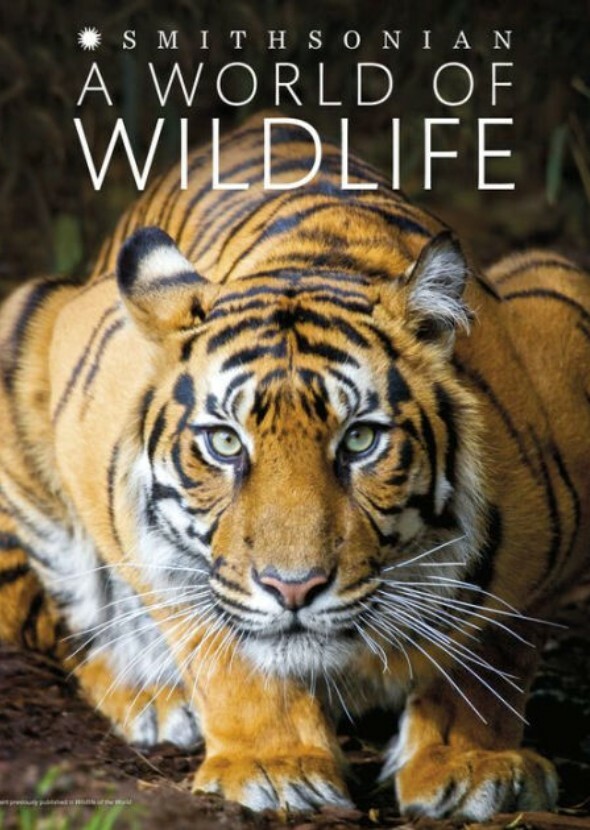
Wildlife refers to undomesticated animal species, but has come to include all organisms that grow or live wild in an area without being introduced by humans.[1] Wildlife was also synonymous to game: those birds and mammals that were hunted for sport. Wildlife can be found in all ecosystems. Deserts, plains, grasslands, woodlands, forests, and other areas, including the most developed urban areas, all have distinct forms of wildlife. While the term in popular culture usually refers to animals that are untouched by human factors, most scientists agree that much wildlife is affected by human activities.[2] Some wildlife threaten human safety, health, property, and quality of life. However, many wild animals, even the dangerous ones, have value to human beings. This value might be economic, educational, or emotional in nature.