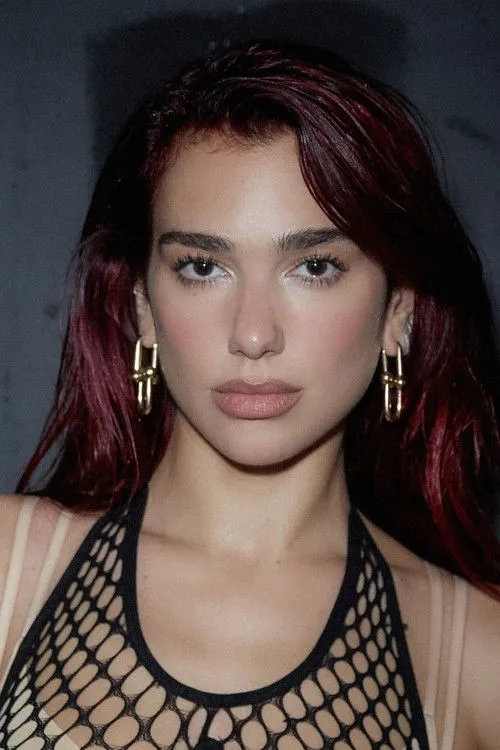
Age: 29
female
Chloë Grace Moretz is an American actress. She began acting as a child, with early roles in the supernatural horror film The Amityville Horror (2005), the drama series Desperate Housewives (2006–07), the supernatural horror film The Eye (2008), the drama film The Poker House (2008), the drama series Dirty Sexy Money (2007–08), the romantic comedy film 500 Days of Summer (2009) and the children's comedy film Diary of a Wimpy Kid (2010). Her breakthrough came in 2010 with her critically acclaimed performances as Hit-Girl in the superhero film Kick-Ass and as a child vampire in the horror film Let Me In. Moretz starred in Martin Scorsese's historical adventure film Hugo (2011), Tim Burton's horror comedy film Dark Shadows (2012), the satirical sitcom 30 Rock (2011-2013), reprised her role as Hit-Girl in Kick-Ass 2 (2013) and portrayed Carrie White in the supernatural horror film Carrie (2013). In 2014, Moretz starred in the award-winning drama film Clouds of Sils Maria (2014), the teen romantic drama If I Stay (2014) and the vigilante action film The Equalizer (2014). She also starred in the mystery thriller film Dark Places (2015), the science fiction action film The 5th Wave (2016) and the comedy film Neighbors 2: Sorority Rising (2016). In 2016, Moretz announced she was "re-assessing" her choice of roles and was dropping out of several projects, including Universal Studios' live-action adaptation of The Little Mermaid. Moretz's following roles include the drama film The Miseducation of Cameron Post (2018), Neil Jordan's drama thriller film Greta (2018), the action horror film Shadow in the Cloud (2020) and the science fiction film Mother/Android (2021). She voiced Wednesday Addams in The Addams Family (2019) and The Addams Family 2 (2021). Moretz's stage work includes her starring role in the original off-Broadway production of The Library (2014) at The Public Theater in New York City.
Chloë Grace Moretz
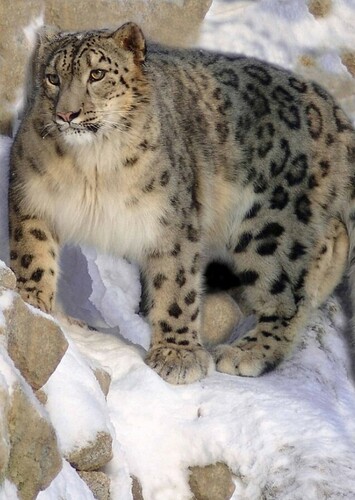
Snow Leopard
for Snow Leopard in A World of Wildlife (TV Series)
Suggested by johannarivera1
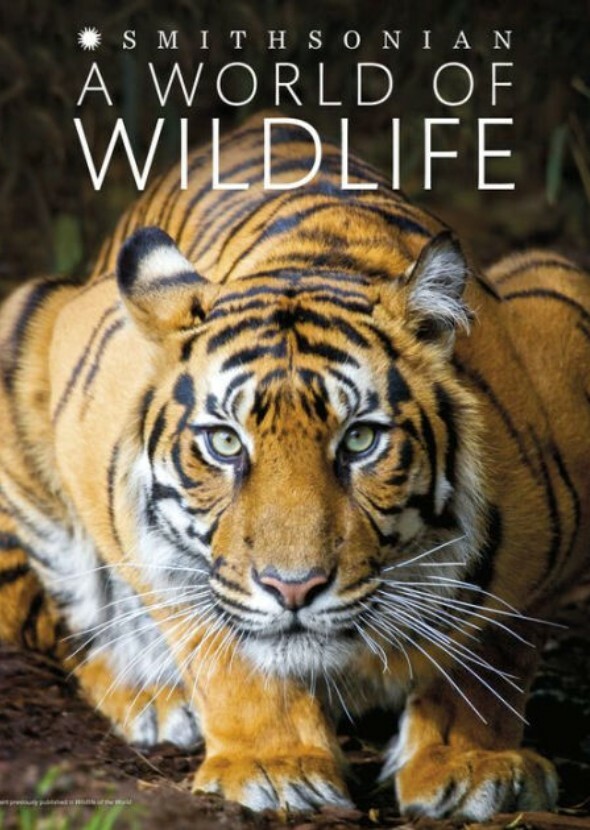
Wildlife refers to undomesticated animal species, but has come to include all organisms that grow or live wild in an area without being introduced by humans.[1] Wildlife was also synonymous to game: those birds and mammals that were hunted for sport. Wildlife can be found in all ecosystems. Deserts, plains, grasslands, woodlands, forests, and other areas, including the most developed urban areas, all have distinct forms of wildlife. While the term in popular culture usually refers to animals that are untouched by human factors, most scientists agree that much wildlife is affected by human activities.[2] Some wildlife threaten human safety, health, property, and quality of life. However, many wild animals, even the dangerous ones, have value to human beings. This value might be economic, educational, or emotional in nature.