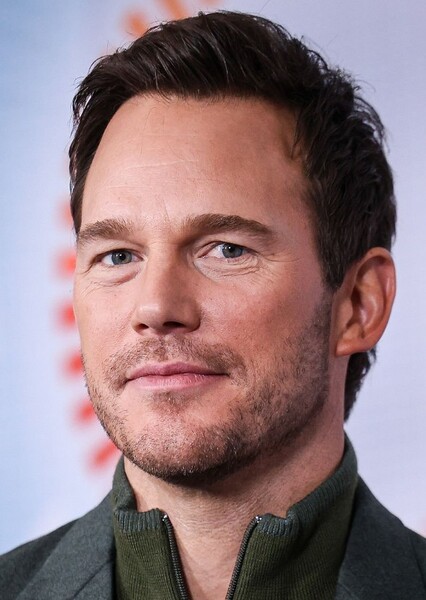
Age: 58
male
Eric Marlon Bishop (born December 13, 1967), known professionally as Jamie Foxx, is an American actor, singer, and comedian. He gained his career breakthrough as a featured player in the sketch comedy show In Living Colour until the show's end in 1994. Following this success, he was given his own sitcom, The Jamie Foxx Show, in which he starred, co-created, and produced from 1996 to 2001. Foxx received acclaim for his portrayal of Ray Charles in the film Ray (2004), winning the Academy Award, BAFTA, Screen Actors Guild Award, and Golden Globe Award for Best Actor. That same year, he was nominated for the Academy Award for best supporting actor for his role in the crime film Collateral. He gained prominence for his film roles in Booty Call (1997), Ali (2001), Jarhead (2005), Dreamgirls (2006), Miami Vice (2006), Horrible Bosses (2011), Django Unchained (2012), Annie (2014), Baby Driver (2017), and Soul (2020). He played the supervillain Electro in The Amazing Spider-Man 2 (2014) and Spider-Man: No Way Home (2021). For playing Walter McMillian in Just Mercy (2019), he received a Screen Actors Guild Award nomination. Foxx also embarked on a successful career as an R&B singer in the 2000s. He earned two number-one singles on the Billboard Hot 100, with his features on the singles "Slow Jamz" by Twista alongside Kanye West and "Gold Digger" by the former. His single "Blame It" won him the Grammy Award for Best R&B Performance by a Duo or Group with Vocals. Four of his five studio albums have charted in the top ten of the U.S. Billboard 200: Unpredictable (2005), which topped the chart; Intuition (2008); Best Night of My Life (2010); and Hollywood: A Story of a Dozen Roses (2015). Since 2017, Foxx has served as the host and executive producer of the Fox game show Beat Shazam. In 2021, he wrote his autobiography Act Like You Got Some Sense.
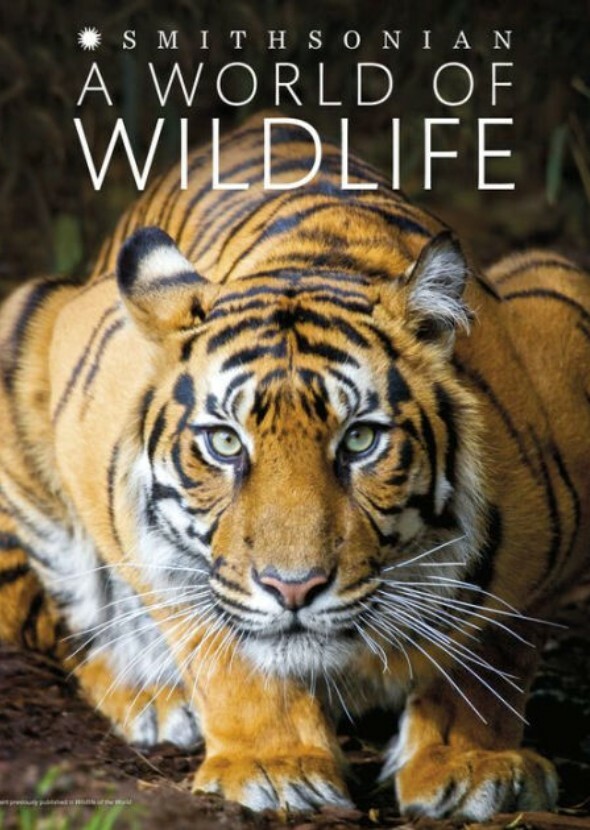
Wildlife refers to undomesticated animal species, but has come to include all organisms that grow or live wild in an area without being introduced by humans.[1] Wildlife was also synonymous to game: those birds and mammals that were hunted for sport. Wildlife can be found in all ecosystems. Deserts, plains, grasslands, woodlands, forests, and other areas, including the most developed urban areas, all have distinct forms of wildlife. While the term in popular culture usually refers to animals that are untouched by human factors, most scientists agree that much wildlife is affected by human activities.[2] Some wildlife threaten human safety, health, property, and quality of life. However, many wild animals, even the dangerous ones, have value to human beings. This value might be economic, educational, or emotional in nature.