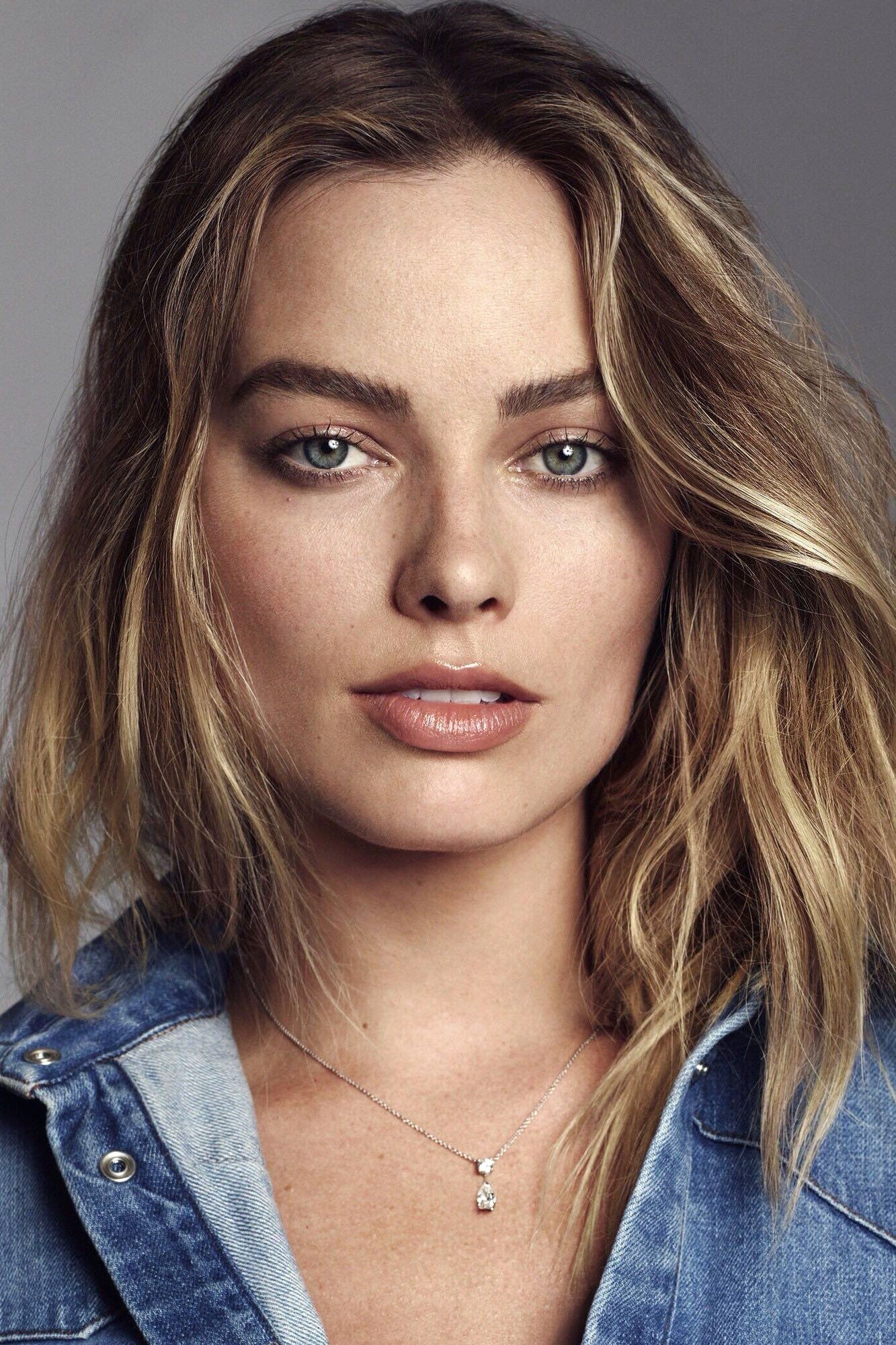
Age: 35
female
Margot Elise Robbie (born 2 July 1990) is an Australian actress and producer. Her work includes blockbusters and independent films, and her accolades include nominations for three Academy Awards, four Golden Globe Awards, and six BAFTA Awards. Time named her one of the 100 most influential people in the world in 2017, and Forbes named her the world's highest-paid actress in 2023. Born and raised in Queensland, Robbie began her career in 2008 on the television series Neighbours, on which she was a regular until 2011. After moving to the United States, she led the television series Pan Am (2011–2012). She had her breakthrough in 2013 with Martin Scorsese's black comedy film The Wolf of Wall Street. She achieved wider recognition by starring in the roles of Jane Porter in The Legend of Tarzan (2016) and Harley Quinn in the DC Extended Universe films, beginning with Suicide Squad (2016). Robbie received critical acclaim and a nomination for the Academy Award for Best Actress for her portrayal of figure skater Tonya Harding in the biopic I, Tonya (2017). This acclaim continued for her performances as Queen Elizabeth I in Mary Queen of Scots (2018), Sharon Tate in Once Upon a Time in Hollywood (2019), and a Fox News employee in Bombshell (2019). The last of these earned her a nomination for the Academy Award for Best Supporting Actress. Robbie has since starred as an aspiring actress in the period film Babylon (2022) and the titular fashion doll in the fantasy comedy Barbie (2023), which emerged as her highest-grossing release and, as its producer, earned her a nomination for the Academy Award for Best Picture. Robbie and her husband, filmmaker Tom Ackerley, co-founded the production company LuckyChap Entertainment in 2014, under which they have produced several films, including I, Tonya, Promising Young Woman (2020), Barbie, and Saltburn (2023), as well as the Hulu series Dollface (2019–2022) and the Netflix miniseries Maid (2021).
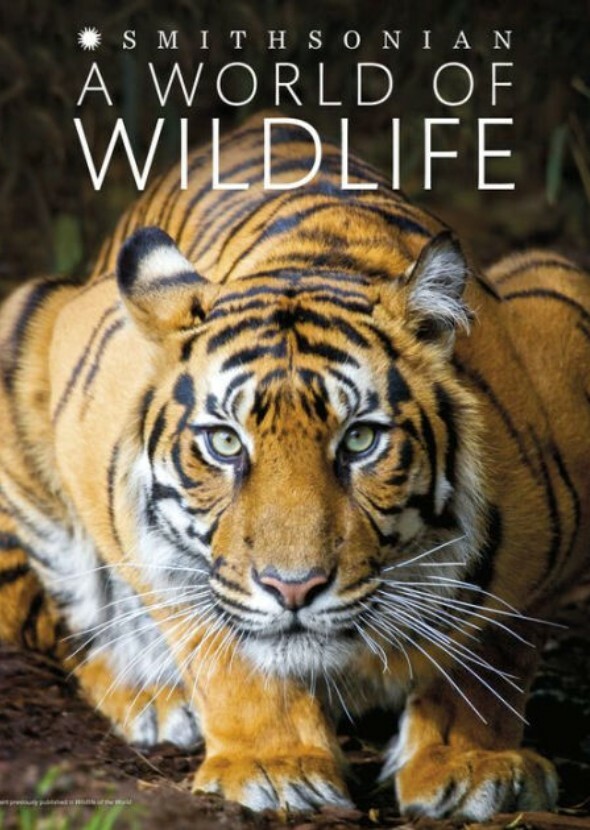
Wildlife refers to undomesticated animal species, but has come to include all organisms that grow or live wild in an area without being introduced by humans.[1] Wildlife was also synonymous to game: those birds and mammals that were hunted for sport. Wildlife can be found in all ecosystems. Deserts, plains, grasslands, woodlands, forests, and other areas, including the most developed urban areas, all have distinct forms of wildlife. While the term in popular culture usually refers to animals that are untouched by human factors, most scientists agree that much wildlife is affected by human activities.[2] Some wildlife threaten human safety, health, property, and quality of life. However, many wild animals, even the dangerous ones, have value to human beings. This value might be economic, educational, or emotional in nature.