
Age: 48
female
Brook Maurio (previously Busey-Hunt; née Busey; born June 14, 1978), known professionally by the pen name Diablo Cody, is an American writer and producer. She gained recognition for her candid blog and subsequent memoir, Candy Girl: A Year in the Life of an Unlikely Stripper (2005). Cody received critical acclaim for her screenwriting debut, Juno (2007), which won both the Academy Award and the BAFTA Award for Best Original Screenplay. She wrote, produced, and made her directorial debut with the comedy-drama film Paradise (2013). Cody has also written and produced the films Jennifer's Body (2009), Young Adult (2011), Ricki and the Flash (2015), Tully (2018), and Lisa Frankenstein (2024). Cody created, wrote, and produced the Showtime comedy drama series United States of Tara (2009–2011) and the Amazon Prime series One Mississippi (2015–2017). She made her Broadway debut with the Alanis Morissette musical Jagged Little Pill, winning the Tony Award for Best Book of a Musical. She has been a member of the Academy of Motion Picture Arts and Sciences, Writers' Branch, since 2008. Description above from the Wikipedia article Diablo Cody, licensed under CC-BY-SA, full list of contributors on Wikipedia.
Diablo Cody

Writer
for Writer in A Life Unscripted: The Adrienne Shelly Story
Suggested by kamsismith
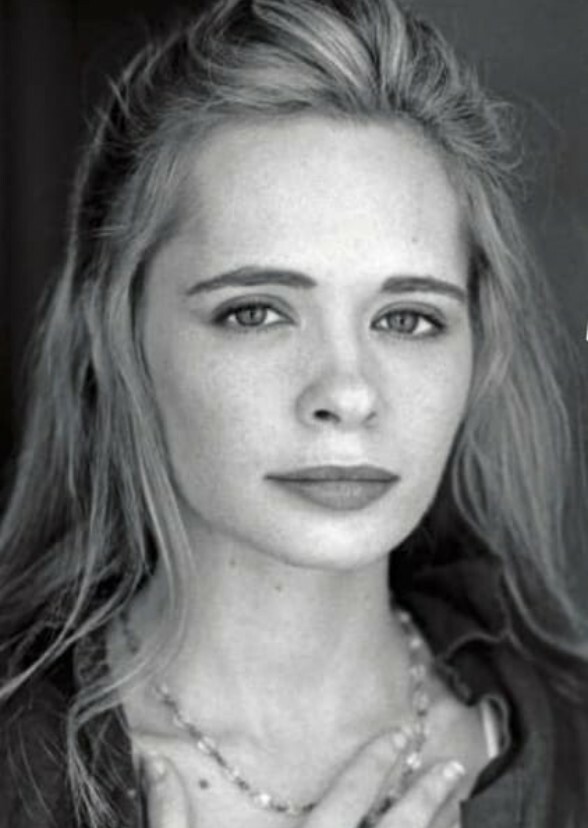
“A Life Unscripted” explores the multifaceted life of Adrienne Shelly, a rising star in the independent film scene of the 1990s. From her early days in New York City, navigating the complexities of the entertainment industry, to her triumphs in film and theater, the series delves into the challenges she faced as a woman in a male-dominated field. Each episode captures a pivotal moment in her life, including her breakout role in “The Unbelievable Truth,” her critically acclaimed film “Waitress,” and the powerful themes of empowerment and resilience she wove into her storytelling. The series also highlights her relationships with notable figures in the industry, her struggles with self-doubt, and her unwavering determination to carve out a space for herself as a creator. The narrative takes a dark turn as it addresses the tragic circumstances of her untimely death, weaving in the impact it had on her family, friends, and the film community. Through flashbacks and emotional recollections, we see the legacy Adrienne left behind—how her voice continues to inspire future generations of filmmakers and women in the arts.


