
Age: 30
female
Anya-Josephine Marie Taylor-Joy (/ˈænjə/; born 16 April 1996) is an American actress and voice actress. Born in Miami and raised in Buenos Aires and London, she left school at 16 to pursue an acting career. After several minor television roles, her breakthrough came with a leading role in the horror film The Witch (2015). Her career progressed with roles in the horror film Split (2016) and its sequel Glass (2019), the black comedy film Thoroughbreds (2017), and playing Emma Woodhouse in the period drama Emma (2020). Taylor-Joy featured in the television crime drama series Peaky Blinders (2019–2022) and earned international recognition for playing Beth Harmon in the period drama miniseries The Queen's Gambit (2020), winning a Golden Globe Award and a SAG Award, in addition to a nomination for a Primetime Emmy Award. She then starred in the horror film Last Night in Soho (2021), the action films The Northman (2022) and The Gorge (2025), and the black comedy The Menu (2022). She also voiced Princess Peach in the animated film The Super Mario Bros. Movie (2023). She starred as Imperator Furiosa in the apocalyptic film Furiosa: A Mad Max Saga (2024). Description above from the Wikipedia article Anya Taylor-Joy, licensed under CC-BY-SA, full list of contributors on Wikipedia.
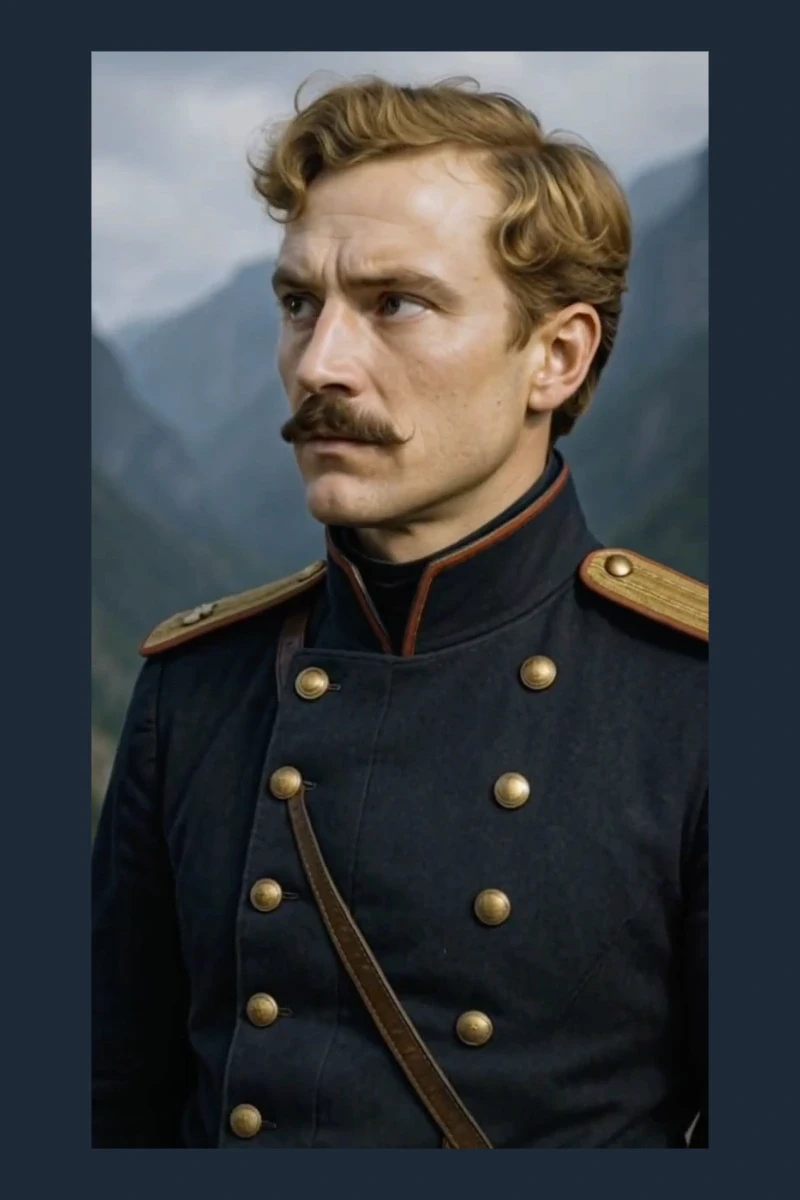
A Hero of Our Time follows Grigory Pechorin, a disillusioned Russian officer navigating the complexities of 19th-century society with cynicism and moral ambiguity. Through a fragmented narrative structure—presented as interconnected stories told by various narrators—the novel reveals Pechorin's manipulative nature, romantic entanglements, and existential ennui. Set against the backdrop of the Caucasus during Russia's imperial expansion, the work explores themes of alienation, the corruption of idealism, and the psychological torment of a brilliant but morally compromised protagonist. Pechorin seduces, deceives, and destroys those around him while remaining trapped in his own spiritual emptiness. The novel's innovative narrative technique—moving backward and forward in time—mirrors the protagonist's fragmented consciousness and unreliable perspective. A groundbreaking work of psychological realism, it examines the "superfluous man" archetype: an intelligent, capable individual rendered useless by society's constraints and his own inner contradictions. The story challenges readers to sympathize with an antihero whose charm masks profound spiritual corruption, making it a precursor to modern literary fiction.


