
Age: 54
male
Karl-Heinz Urban (born 7 June 1972) is a New Zealand actor. His career began with appearances in New Zealand films and TV series such as Xena: Warrior Princess. His first Hollywood role was in the 2002 horror film Ghost Ship. Since then, he has starred in many high-profile movies, including as Éomer in the second and third installments of The Lord of the Rings trilogy, Vaako in the second and third installments of Riddick film series, Leonard McCoy in the Star Trek reboot film series, Kirill in The Bourne Supremacy (2004), John "Reaper" Grimm in Doom (2005), Judge Dredd in Dredd (2012), Gavin Magary in Pete's Dragon (2016), and Skurge in Marvel Studios' Thor: Ragnarok (2017). In 2013, he starred in the sci-fi series Almost Human. Since 2019, he has starred as Billy Butcher in Amazon's superhero streaming television series The Boys.
Karl Urban

Maxim Maximych
for Maxim Maximych in A Hero of Our Time
Suggested by georgebatlle
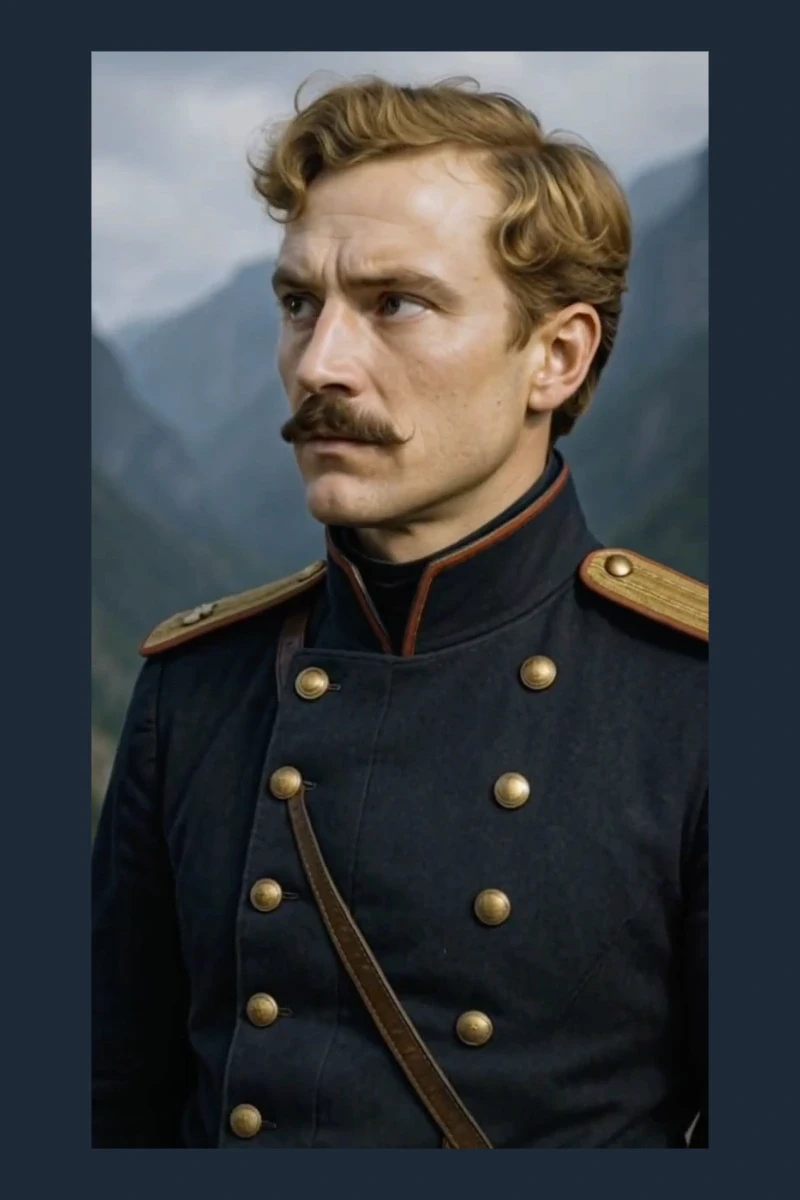
A Hero of Our Time follows Grigory Pechorin, a disillusioned Russian officer navigating the complexities of 19th-century society with cynicism and moral ambiguity. Through a fragmented narrative structure—presented as interconnected stories told by various narrators—the novel reveals Pechorin's manipulative nature, romantic entanglements, and existential ennui. Set against the backdrop of the Caucasus during Russia's imperial expansion, the work explores themes of alienation, the corruption of idealism, and the psychological torment of a brilliant but morally compromised protagonist. Pechorin seduces, deceives, and destroys those around him while remaining trapped in his own spiritual emptiness. The novel's innovative narrative technique—moving backward and forward in time—mirrors the protagonist's fragmented consciousness and unreliable perspective. A groundbreaking work of psychological realism, it examines the "superfluous man" archetype: an intelligent, capable individual rendered useless by society's constraints and his own inner contradictions. The story challenges readers to sympathize with an antihero whose charm masks profound spiritual corruption, making it a precursor to modern literary fiction.

