
Age: 40
male
Robert Douglas Thomas Pattinson (born May 13, 1986) is an English actor. Noted for his versatile roles in both big-budget and independent films, Pattinson has been ranked among the world's highest-paid actors. After starting to act in a London theatre club at age 15, Pattinson began his film career by playing Cedric Diggory in the fantasy film Harry Potter and the Goblet of Fire (2005). He gained worldwide recognition for portraying Edward Cullen in The Twilight Saga film series (2008–2012), which grossed over $3.3 billion worldwide. After starring in the romantic dramas Remember Me (2010) and Water for Elephants (2011), Pattinson received critical acclaim for his performances in independent films from auteur directors. He starred in David Cronenberg's thriller Cosmopolis (2012), David Michôd's dystopian western The Rover (2014), James Gray's adventure drama The Lost City of Z (2016), the Safdie Brothers' crime drama Good Time (2017), Claire Denis' science-fiction drama High Life (2018), and Robert Eggers' psychological horror film The Lighthouse (2019). He returned to mainstream films with a leading role in Christopher Nolan's spy film Tenet (2020), and starred as the DC Comics superhero Batman in Matt Reeves' film The Batman (2022).
Robert Pattinson

G. Pechorin
for G. Pechorin in A Hero of Our Time
Suggested by georgebatlle
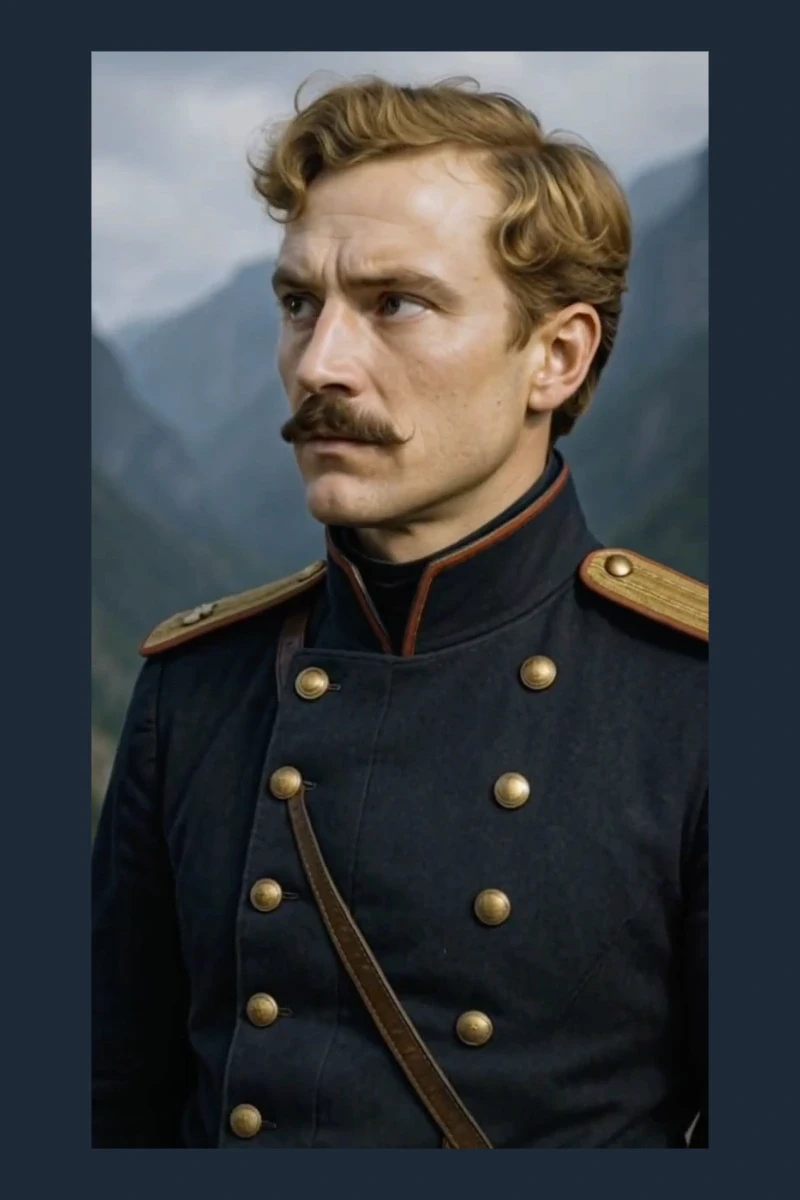
A Hero of Our Time follows Grigory Pechorin, a disillusioned Russian officer navigating the complexities of 19th-century society with cynicism and moral ambiguity. Through a fragmented narrative structure—presented as interconnected stories told by various narrators—the novel reveals Pechorin's manipulative nature, romantic entanglements, and existential ennui. Set against the backdrop of the Caucasus during Russia's imperial expansion, the work explores themes of alienation, the corruption of idealism, and the psychological torment of a brilliant but morally compromised protagonist. Pechorin seduces, deceives, and destroys those around him while remaining trapped in his own spiritual emptiness. The novel's innovative narrative technique—moving backward and forward in time—mirrors the protagonist's fragmented consciousness and unreliable perspective. A groundbreaking work of psychological realism, it examines the "superfluous man" archetype: an intelligent, capable individual rendered useless by society's constraints and his own inner contradictions. The story challenges readers to sympathize with an antihero whose charm masks profound spiritual corruption, making it a precursor to modern literary fiction.

