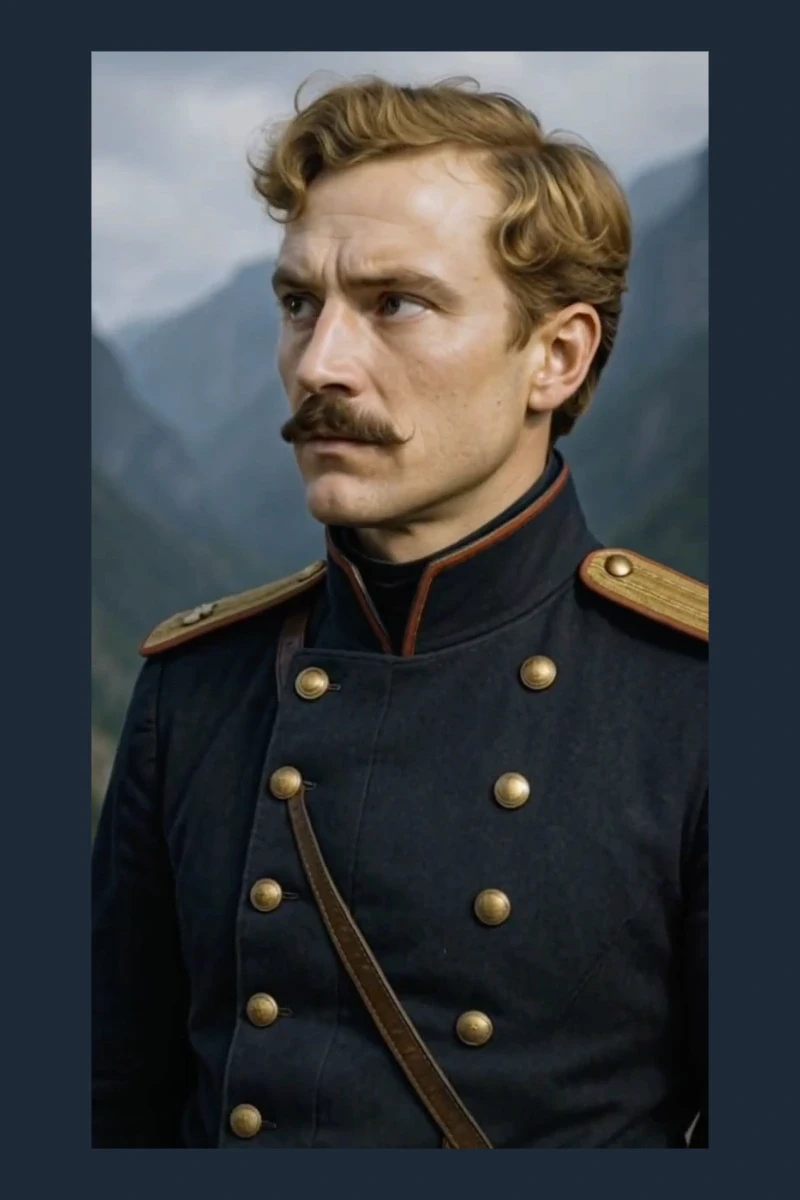
A Hero of Our Time follows Grigory Pechorin, a disillusioned Russian officer navigating the complexities of 19th-century society with cynicism and moral ambiguity. Through a fragmented narrative structure—presented as interconnected stories told by various narrators—the novel reveals Pechorin's manipulative nature, romantic entanglements, and existential ennui. Set against the backdrop of the Caucasus during Russia's imperial expansion, the work explores themes of alienation, the corruption of idealism, and the psychological torment of a brilliant but morally compromised protagonist. Pechorin seduces, deceives, and destroys those around him while remaining trapped in his own spiritual emptiness. The novel's innovative narrative technique—moving backward and forward in time—mirrors the protagonist's fragmented consciousness and unreliable perspective. A groundbreaking work of psychological realism, it examines the "superfluous man" archetype: an intelligent, capable individual rendered useless by society's constraints and his own inner contradictions. The story challenges readers to sympathize with an antihero whose charm masks profound spiritual corruption, making it a precursor to modern literary fiction.